Introduction
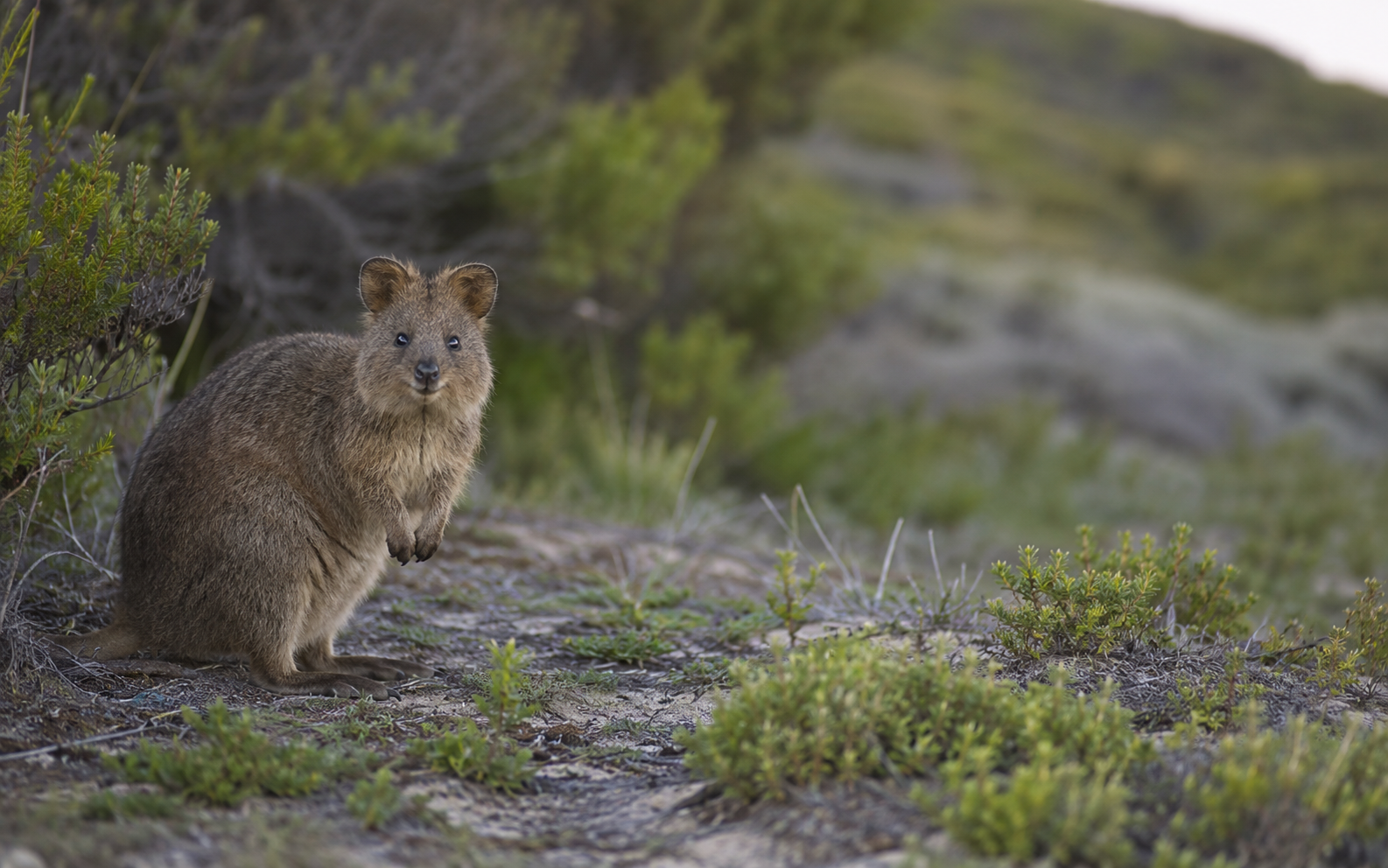
The quokka (Setonix brachyurus) is a small wallaby native to Western Australia, known for its friendly smile and endearing personality. Found primarily on Rottnest Island and in the surrounding areas, quokkas have become a popular tourist attraction and a symbol of Western Australia.
Quick Reference Table
| Scientific Name | Setonix brachyurus |
|---|---|
| Common Name | Quokka |
| Family | Macropodidae |
| Conservation Status | Vulnerable |
| Weight | 5-10 kg (11-22 lbs) |
| Length | 50-60 cm (20-24 in) |
Taxonomy and Identification
Quokkas belong to the family Macropodidae, which includes kangaroos, wallabies, and related species. They are the smallest members of this family, with stocky bodies, short legs, and a rounded head. Quokkas have a distinctive smile, which is actually a result of their facial structure, with a curved mouth and a prominent jaw.
Natural Habitat and Distribution
Quokkas are found in the wild on Rottnest Island, off the coast of Western Australia, as well as in the surrounding areas, including the mainland and nearby islands. They inhabit forests, woodlands, and coastal dunes, where they feed on leaves, grasses, and fruits.
Behaviour
Quokkas are known for their friendly and approachable nature. They are social animals and live in small groups, called mobs. Quokkas are also excellent climbers and have been observed climbing trees to escape danger or to feed on leaves.
Diet
Quokkas are herbivores and feed on a variety of plants, including leaves, grasses, fruits, and flowers. They have a specialized digestive system that allows them to break down cellulose in plant cell walls, making them well adapted to their diet.
Habitat and Shelter
Quokkas live in a variety of habitats, including forests, woodlands, and coastal dunes. They shelter in burrows, rock crevices, and under vegetation, where they can escape from predators and extreme weather conditions.
Diet
Quokkas are herbivores and feed on a variety of plants, including leaves, grasses, fruits, and flowers. They have a specialized digestive system that allows them to break down cellulose in plant cell walls, making them well adapted to their diet.
Daily Needs
In captivity, quokkas require a diet rich in fiber and low in protein. They need access to fresh water at all times and a varied diet that includes a mix of grasses, leaves, and fruits. Quokkas also require regular exercise and mental stimulation to prevent boredom and stress.
Warning Signs
Quokkas can be prone to health problems such as obesity, dental issues, and respiratory infections. Warning signs of illness include lethargy, loss of appetite, and changes in stool or urine output. If you suspect that a quokka is ill, it is essential to seek veterinary care immediately.
Responsible Care or Conservation
Quokkas are vulnerable to extinction due to habitat loss, predation, and human activity. To help conserve quokkas, it is essential to support conservation efforts and protect their habitat. If you are considering keeping quokkas as pets, make sure to do thorough research and ensure that you can provide the necessary care and attention.
Practical Takeaways
- Quokkas are herbivores and require a diet rich in fiber and low in protein.
- They need access to fresh water at all times and regular exercise and mental stimulation.
- Quokkas can be prone to health problems such as obesity, dental issues, and respiratory infections.
- Support conservation efforts and protect their habitat to help conserve quokkas.
Frequently Asked Questions
What do quokkas eat?
Quokkas are herbivores and feed on a variety of plants, including leaves, grasses, fruits, and flowers.
Can quokkas be kept as pets?
Quokkas can be kept as pets, but it is essential to do thorough research and ensure that you can provide the necessary care and attention.
Why are quokkas vulnerable to extinction?
Quokkas are vulnerable to extinction due to habitat loss, predation, and human activity.
How can I help conserve quokkas?
You can help conserve quokkas by supporting conservation efforts and protecting their habitat.
What are the warning signs of illness in quokkas?
Warning signs of illness in quokkas include lethargy, loss of appetite, and changes in stool or urine output.
Sources or Recommended Reading
- Australian Government Department of the Environment and Energy. (2020). Setonix brachyurus – Quokka.
- Rottnest Island Authority. (n.d.). Quokkas.
- Western Australia Department of Parks and Wildlife. (n.d.). Quokka.
Important Notice: If you suspect that a quokka is ill or injured, please seek veterinary care immediately. This article is for informational purposes only and should not be used as a substitute for professional veterinary advice.
Life Cycle and Development
Quokkas have a unique life cycle, with a relatively short gestation period of about 27 days. Female quokkas can breed year-round, but the peak breeding season is from January to August. After mating, the female quokka will give birth to a single joey, which will then crawl up to the mother’s pouch where it will continue to develop and nurse. The joey will stay in the pouch for about 7-8 months, during which time it will grow and develop rapidly.
After leaving the pouch, the young quokka, now called a juvenile, will start to venture out on its own, but will still return to its mother for milk and protection. At around 10-12 months, the juvenile quokka will start to wean and become independent. Quokkas can live up to 5-7 years in the wild, although their average lifespan is around 3-4 years due to various threats such as predation, disease, and human activities.
Communication and Senses
Quokkas are known for their friendly smiles, but they also communicate in other ways. They use a variety of vocalizations, including grunts, growls, and squeaks, to convey different messages. They also use body language, such as ear and tail positions, to express their mood and intentions.
Quokkas have excellent senses, including vision, hearing, and smell. Their large eyes are adapted to see well in low light conditions, allowing them to forage for food at dawn and dusk. Their hearing is also acute, helping them to detect potential predators. Quokkas have a keen sense of smell, which they use to detect food and detect potential threats.
Seasonal Variation
Quokkas are adapted to the Mediterranean climate of Western Australia, with hot summers and mild winters. During the summer months, quokkas will often rest in shaded areas during the hottest part of the day, emerging at dawn and dusk to forage for food. In the winter months, quokkas will be more active during the day, taking advantage of the cooler temperatures to forage for food.
Quokkas also adapt their diet to the changing seasons. During the summer months, they will eat more leaves and grasses, while in the winter months, they will eat more fruits and flowers. This adaptability helps quokkas to survive in their environment and make the most of the available food resources.
Ecological Relationships
Quokkas play an important role in their ecosystem, helping to disperse seeds and propagate new plant growth. They also help to maintain the balance of vegetation, by eating certain plants that might otherwise become dominant. Quokkas are also an important food source for predators such as dingos, eagles, and snakes.
Quokkas have a mutualistic relationship with certain species of birds, which will often perch on their backs, eating ticks and other parasites. This relationship benefits both species, as the birds get a meal, and the quokkas get a cleaning service.
Research and Conservation Efforts
Quokkas are an important part of Western Australia’s ecosystem, and conservation efforts are in place to protect them. Researchers are studying quokka behavior, habitat, and population dynamics to better understand how to conserve them. The Rottnest Island Authority, which manages the island where quokkas are found, has implemented measures to protect quokka habitat and reduce the impact of tourism on the population.
Quokkas are also being used as an “umbrella species” to promote conservation efforts in Western Australia. By protecting quokka habitat, conservationists can also protect other species that share the same ecosystem. This approach has been successful in raising awareness and promoting conservation efforts in the region.
Responsible Enrichment and Ethical Considerations
Quokkas are popular tourist attractions, and it’s essential to treat them with respect and care. Visitors to Rottnest Island should follow guidelines and regulations to minimize their impact on the quokka population. This includes not feeding quokkas, keeping a safe distance, and not touching or handling them.
Quokkas are also used in educational programs and conservation efforts, where they are handled and cared for by trained professionals. These programs help to promote awareness and understanding of quokkas and their habitat, and can inspire people to take action to protect them.
It’s essential to consider the welfare and well-being of quokkas in any interaction or activity. Quokkas are wild animals and should be treated with respect and care, and any activity that may harm or stress them should be avoided.
Ecological Role and Impact
Quokkas play a vital role in their ecosystem, contributing to the maintenance of the balance of nature on Rottnest Island and the surrounding areas. As herbivores, they feed on various plant species, which helps to disperse seeds and facilitate the growth of new vegetation. This, in turn, supports the island’s biodiversity and provides habitat for other animals.
Quokkas also have a unique relationship with the island’s vegetation. They are one of the primary seed dispersers for the Rottnest Island tea tree (Melaleuca lanceolata), a plant that is endemic to the island. The quokkas’ digestive system allows them to break down the seeds, which then germinate in a new location, promoting the spread of the plant.
In addition, quokkas help to maintain the health of the island’s vegetation by controlling the growth of certain plant species. For example, they feed on the leaves of the acacia tree (Acacia rostellifera), which can become dominant and outcompete other plant species if left unchecked.
Threats and Challenges
Despite their importance in the ecosystem, quokkas face several threats to their survival. One of the main challenges is the introduction of non-native predators, such as foxes, cats, and rats, which prey on quokkas and compete with them for food. These predators have been introduced to the island through human activity and have had a significant impact on quokka populations.
Climate change is another significant threat to quokkas. Rising temperatures and changing rainfall patterns affect the availability of food and water, making it harder for quokkas to survive. Quokkas are also vulnerable to heat stress, which can be fatal if they are unable to find shade and water.
Human activity, such as tourism and development, also poses a threat to quokkas. The increasing number of visitors to Rottnest Island can disrupt quokka habitats and cause stress to the animals. Furthermore, the construction of buildings and infrastructure can lead to habitat destruction and fragmentation, making it harder for quokkas to find food, shelter, and mates.
Conservation Efforts and Management
To address the threats facing quokkas, conservation efforts are underway to protect and manage their populations. The Rottnest Island Authority, in collaboration with the Western Australian government and conservation organizations, has implemented measures to control non-native predators, such as foxes and cats. These measures include baiting programs, trapping, and fencing to exclude predators from quokka habitats.
The authority has also implemented measures to reduce the impact of tourism on quokkas. These include educating visitors about quokka behavior and habitat, providing designated quokka viewing areas, and enforcing rules to prevent visitors from feeding or touching quokkas.
In addition, researchers are studying quokka behavior, ecology, and population dynamics to better understand the impacts of climate change and human activity on quokka populations. This research informs conservation efforts and management decisions, ensuring that quokkas continue to thrive on Rottnest Island and in the surrounding areas.
Responsible Tourism and Quokka-Friendly Practices
Visitors to Rottnest Island can play a crucial role in protecting quokkas and their habitats. By following quokka-friendly practices, tourists can help reduce the impact of their visit on quokka populations. These practices include:
* Keeping a safe distance from quokkas and not touching or feeding them
* Staying on designated paths and not entering quokka habitats
* Not littering or polluting the environment
* Respecting quokka viewing areas and not entering closed areas
* Supporting conservation efforts and responsible tourism operators
By adopting these practices, visitors can help ensure the long-term survival of quokkas and the preservation of their habitats on Rottnest Island.