Introduction
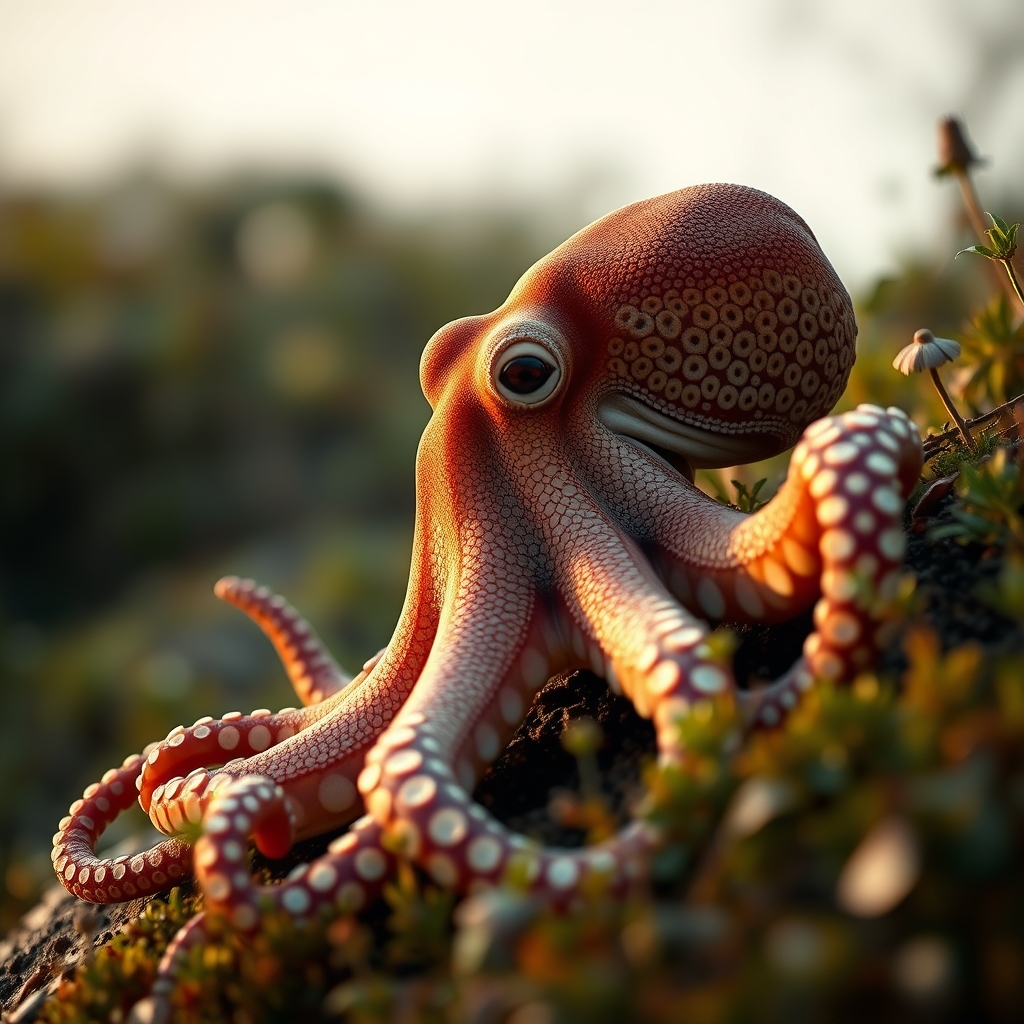
The Giant Pacific Octopus (Enteroctopus dofleini) is a fascinating and highly intelligent invertebrate, known for its impressive size, remarkable behavior, and unique physical characteristics. Found in the coastal waters of the Pacific Ocean, this species has captivated the imagination of marine biologists, aquarium enthusiasts, and the general public alike.
Quick Reference Table
| Characteristic | Description |
|---|---|
| Scientific Name | Enteroctopus dofleini |
| Common Name | Giant Pacific Octopus |
| Family | Octopodidae |
| Order | Octopoda |
| Class | Cephalopoda |
| Phylum | Mollusca |
| Kingdom | Animalia |
| Average Lifespan | 3-5 years in the wild, up to 5 years in captivity |
| Average Weight | 15-90 kg (33-198 lbs) |
| Average Length | 3-4.3 m (10-14 ft) |
Taxonomy and Identification
The Giant Pacific Octopus belongs to the family Octopodidae, order Octopoda, class Cephalopoda, phylum Mollusca, and kingdom Animalia. Its scientific name, Enteroctopus dofleini, was given in honor of the German-American zoologist Franz Theodor Doflein. This species is characterized by its large size, reddish-brown color, and distinctive webbing between its arms.
Natural Habitat and Distribution
The Giant Pacific Octopus is found in the coastal waters of the Pacific Ocean, from Japan to the coast of Central America, including the waters of the United States, Canada, and Mexico. They inhabit areas with rocky substrates, reefs, and kelp forests, typically at depths of 10-400 meters (33-1,312 feet). They are skilled den builders and often create complex shelters using rocks, shells, and other materials.
Behaviour
Giant Pacific Octopuses are highly intelligent and curious creatures, known for their problem-solving abilities and complex behavior. They are skilled predators, feeding on a variety of prey including fish, crustaceans, and mollusks. They have also been observed using tools, such as collecting and using shells to build shelters. In captivity, they have been known to recognize and interact with individual humans.
Diet
Giant Pacific Octopuses are carnivores and feed on a variety of prey, including fish, crustaceans, and mollusks. They have also been known to scavenge for food, eating carrion and other dead animals. In captivity, they are typically fed a diet of frozen or live meaty foods, such as shrimp, fish, and squid.
Introduction
The Giant Pacific Octopus (Enteroctopus dofleini) is a fascinating and highly intelligent invertebrate, known for its impressive size, remarkable behavior, and unique physical characteristics. Found in the coastal waters of the Pacific Ocean, this species has captivated the imagination of marine biologists, aquarium enthusiasts, and the general public alike.
Quick Reference Table
| Characteristic | Description |
|---|---|
| Scientific Name | Enteroctopus dofleini |
| Common Name | Giant Pacific Octopus |
| Family | Octopodidae |
| Order | Octopoda |
| Class | Cephalopoda |
| Phylum | Mollusca |
| Kingdom | Animalia |
| Average Lifespan | 3-5 years in the wild, up to 5 years in captivity |
| Average Weight | 15-90 kg (33-198 lbs) |
| Average Length | 3-4.3 m (10-14 ft) |
Taxonomy and Identification
The Giant Pacific Octopus belongs to the family Octopodidae, order Octopoda, class Cephalopoda, phylum Mollusca, and kingdom Animalia. Its scientific name, Enteroctopus dofleini, was given in honor of the German-American zoologist Franz Theodor Doflein. This species is characterized by its large size, reddish-brown color, and distinctive webbing between its arms.
Natural Habitat and Distribution
The Giant Pacific Octopus is found in the coastal waters of the Pacific Ocean, from Japan to the coast of Central America, including the waters of the United States, Canada, and Mexico. They inhabit areas with rocky substrates, reefs, and kelp forests, typically at depths of 10-400 meters (33-1,312 feet). They are skilled den builders and often create complex shelters using rocks, shells, and other materials.
Behaviour
Giant Pacific Octopuses are highly intelligent and curious creatures, known for their problem-solving abilities and complex behavior. They are skilled predators, feeding on a variety of prey including fish, crustaceans, and mollusks. They have also been observed using tools, such as collecting and using shells to build shelters. In captivity, they have been known to recognize and interact with individual humans.
Diet
Giant Pacific Octopuses are carnivores and feed on a variety of prey, including fish, crustaceans, and mollusks. They have also been known to scavenge for food, eating carrion and other dead animals. In captivity, they are typically fed a diet of frozen or live meaty foods, such as shrimp, fish, and squid.
Care and Daily Needs
In captivity, Giant Pacific Octopuses require a large aquarium with plenty of space to move and hide. The tank should be equipped with a secure lid, as they are skilled escape artists. A varied diet and regular water changes are essential to maintaining their health. They also require a temperature range of 10-15°C (50-59°F) and a pH range of 7.9-8.4.
Warning Signs and Health Issues
Giant Pacific Octopuses are susceptible to several health issues, including skin lesions, respiratory problems, and parasites. They can also be prone to stress, which can lead to a range of behavioral problems. Regular monitoring of their health and behavior is essential to identifying any potential issues early on.
Responsible Care and Conservation
Giant Pacific Octopuses are protected by laws and regulations in many countries, and their capture and trade are strictly regulated. In captivity, they require specialized care and housing, and their welfare should be the top priority. It is essential to support conservation efforts and choose sustainable seafood options to help protect their natural habitats and populations.
Practical Takeaways
- Giant Pacific Octopuses are highly intelligent and curious creatures that require specialized care and housing.
- They are carnivores and feed on a variety of prey, including fish, crustaceans, and mollusks.
- They are susceptible to several health issues, including skin lesions, respiratory problems, and parasites.
- Regular monitoring of their health and behavior is essential to identifying any potential issues early on.
What is the average lifespan of a Giant Pacific Octopus?
3-5 years in the wild, up to 5 years in captivity
How big can Giant Pacific Octopuses get?
They can grow up to 3-4.3 m (10-14 ft) in length and weigh up to 15-90 kg (33-198 lbs)
What do Giant Pacific Octopuses eat?
They are carnivores and feed on a variety of prey, including fish, crustaceans, and mollusks
Are Giant Pacific Octopuses intelligent?
Yes, they are highly intelligent and curious creatures, known for their problem-solving abilities and complex behavior
Can Giant Pacific Octopuses be kept in captivity?
Yes, but they require specialized care and housing, and their welfare should be the top priority
- National Oceanic and Atmospheric Administration (NOAA). (2022). Giant Pacific Octopus.
- World Wildlife Fund (WWF). (2022). Giant Pacific Octopus.
- Octopus World. (2022). Giant Pacific Octopus.
Important Notice: If you suspect that your Giant Pacific Octopus is ill or injured, please consult a qualified veterinarian for advice. They can provide guidance on the best course of treatment and help ensure the health and well-being of your animal.
Life Cycle and Development
The Giant Pacific Octopus has a complex life cycle, consisting of several stages of development. The female octopus lays a large number of eggs, typically ranging from 10,000 to 70,000, which are then fertilized by the male. The eggs are usually white, transparent, and about 1-2 mm in diameter. After fertilization, the female octopus guards the eggs, keeping them clean and oxygenated, until they hatch.
The larvae, also known as hatchlings, emerge from the eggs after about 2-3 months of incubation. During this stage, they drift in the water column, feeding on small crustaceans and plankton. As they grow, they begin to develop their arms and suckers, eventually settling on a substrate and starting their benthic life.
The juvenile stage is characterized by rapid growth and development, during which the young octopuses learn essential skills such as hunting, camouflage, and predator avoidance. As they mature, they begin to develop their distinctive color patterns and webbing between their arms.
Adult Giant Pacific Octopuses typically live for 3-5 years in the wild, although some individuals have been known to live up to 5 years in captivity. During this stage, they continue to grow and mature, eventually reaching their maximum size and reproductive maturity.
Communication and Senses
Giant Pacific Octopuses possess a sophisticated communication system, relying on a combination of visual, tactile, and chemical cues. They use body language, postures, and color changes to convey information and express emotions. For example, a threatened octopus may display a bright red coloration, while a courting male may display a vibrant display of color and pattern changes.
Their senses are also highly developed, with excellent eyesight, sensitive tentacles, and a keen sense of smell. They can detect polarized light, which helps them navigate underwater, and their statocysts (balance organs) allow them to maintain their orientation and balance.
Octopuses also possess a unique sense organ called the “cirri,” which are small, hair-like structures on their arms that detect vibrations and texture. This allows them to “feel” their surroundings and detect prey or predators.
Seasonal Variation and Ecological Relationships
Giant Pacific Octopuses are adapted to the dynamic and changing environment of the coastal Pacific Ocean. They are found in areas with rocky substrates, reefs, and kelp forests, which provide them with shelter, food, and breeding grounds.
During the spring and summer months, octopuses are more active, foraging for food and mating. In the fall and winter, they tend to be more sedentary, hiding in dens and relying on stored energy reserves.
Octopuses play a crucial role in the marine ecosystem, serving as both predators and prey. They feed on a variety of species, including crabs, clams, and fish, while also being preyed upon by larger predators such as seals, sea lions, and sharks.
Research and Conservation
Giant Pacific Octopuses have been the subject of extensive research, particularly in the fields of behavior, ecology, and conservation. Scientists have studied their intelligence, problem-solving abilities, and social behavior, gaining insights into their complex and fascinating nature.
Conservation efforts are also underway to protect the Giant Pacific Octopus and its habitats. The species is listed as “Least Concern” on the IUCN Red List, but habitat destruction, overfishing, and climate change pose significant threats to their populations.
Responsible aquariums and research institutions are working to promote sustainable and humane treatment of octopuses, while also supporting conservation efforts and educating the public about the importance of protecting these incredible creatures.
Responsible Enrichment and Ethical Considerations
Keeping Giant Pacific Octopuses in captivity requires careful consideration and planning. Providing a suitable environment that meets their complex needs is essential, including a large tank with plenty of hiding places, a varied and nutritious diet, and regular enrichment activities.
It is essential to prioritize the welfare and well-being of these intelligent and sentient animals, avoiding practices that may cause stress, harm, or discomfort. This includes avoiding overcrowding, providing adequate space and stimulation, and ensuring that their specific needs are met.
By promoting responsible and humane treatment of Giant Pacific Octopuses, we can help ensure the long-term conservation of this incredible species and inspire a deeper appreciation for the natural world.