Siames Cat
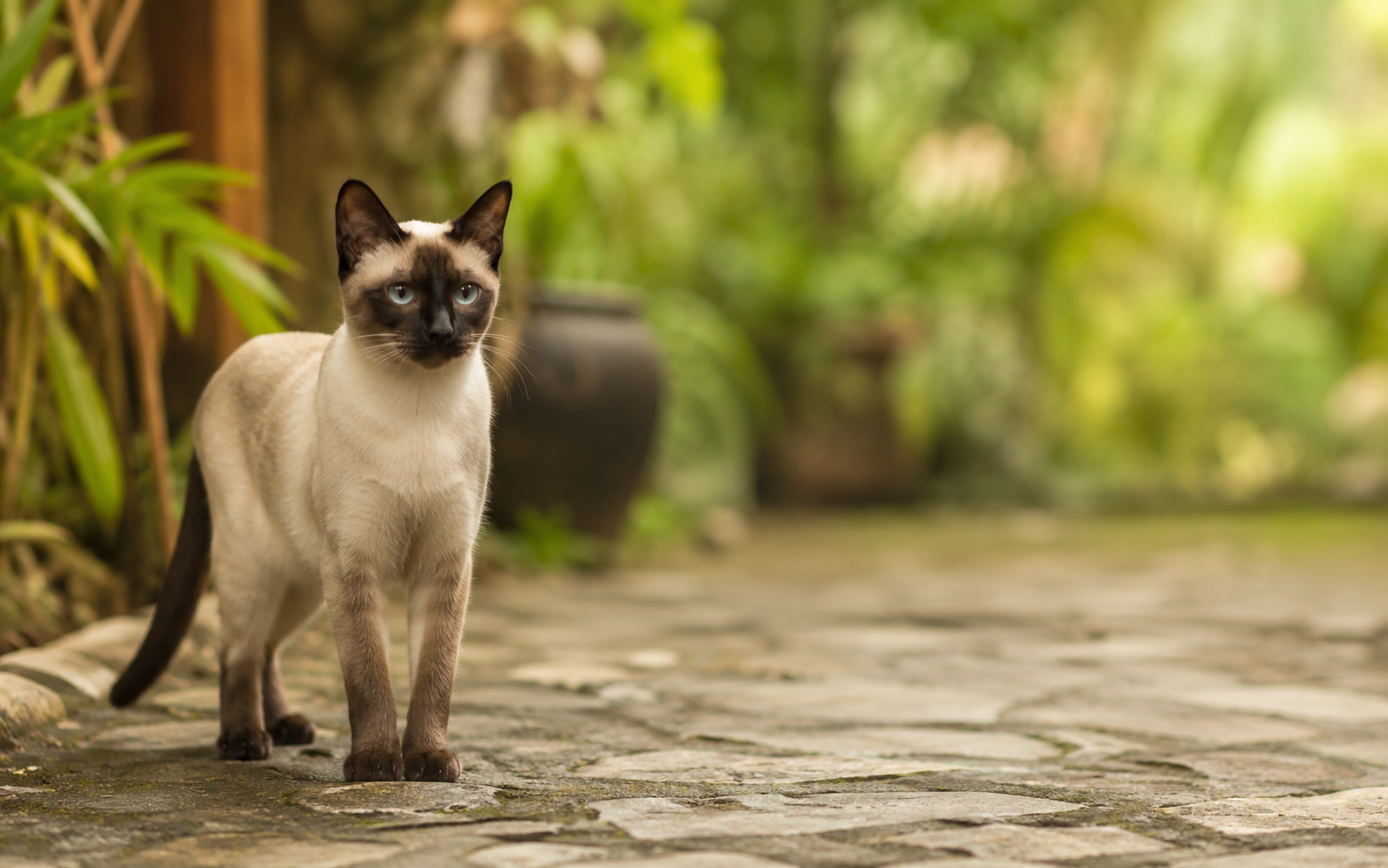
The Siamese cat is one of the most recognizable and beloved breeds in the world.
Siames Cat
The Siamese cat is one of the most recognizable and beloved breeds in the world.
| Weight | 8-12 pounds (3.5-5.5 kg) |
|---|---|
| Lifespan | 15-20 years |
| Origin | Thailand |
| Coat Length | Short |
Taxonomy and Identification
The Siamese cat is a domesticated breed that originated in Thailand. They are a member of the Felidae family and are known for their distinctive blue eyes and pointy ears.
Natural Habitat and Distribution
Siamese cats are native to Thailand, where they were highly valued as temple cats. Today, they can be found all over the world as beloved pets.
Behaviour
Siamese cats are known for their extroverted and affectionate personalities. They are highly intelligent and active, requiring plenty of stimulation and exercise to prevent boredom.
Diet
Siamese cats are carnivores and require a diet rich in protein. They should be fed high-quality commercial cat food that meets their nutritional needs. It’s also important to provide fresh water at all times.
In addition to their regular meals, Siamese cats may enjoy treats such as cooked chicken or fish. However, it’s essential to avoid overfeeding, as this can lead to obesity and other health problems.
Daily Needs
Siamese cats require regular grooming to prevent matting and tangling of their coat. They should be brushed several times a week, with daily brushing recommended during shedding season.
In addition to grooming, Siamese cats need plenty of exercise and stimulation. They should be provided with toys and scratching posts to keep them active and engaged.
Warning Signs
Siamese cats are generally a healthy breed, but they can be prone to certain health issues. Some warning signs to look out for include:
- Changes in appetite or water intake
- Vomiting or diarrhea
- Increased urination or accidents outside the litter box
- Changes in behavior or mood
If you notice any of these warning signs, it’s essential to consult with a veterinarian as soon as possible.
Responsible Care or Conservation
Siamese cats make wonderful pets for those who are willing to provide the necessary care and attention. However, it’s essential to remember that they are a domesticated breed and should not be released into the wild.
If you’re considering bringing a Siamese cat into your home, make sure you’re prepared to provide a safe and loving environment. This includes providing regular veterinary care, a nutritious diet, and plenty of exercise and stimulation.
What is the average lifespan of a Siamese cat?
The average lifespan of a Siamese cat is 15-20 years.
Are Siamese cats prone to any health issues?
Yes, Siamese cats can be prone to certain health issues, including crossed eyes, respiratory problems, and Amyloidosis.
Do Siamese cats make good family pets?
Yes, Siamese cats can make wonderful family pets, but they do require plenty of attention and stimulation.
Can Siamese cats be left alone for long periods of time?
No, Siamese cats should not be left alone for long periods of time, as they require plenty of attention and stimulation.
Are Siamese cats easy to train?
Yes, Siamese cats are highly intelligent and can be easy to train with positive reinforcement.
- International Cat Association. (n.d.). Siamese. Retrieved from https://www.tica.org/breeds/browse-all-breeds?view=article&id=854:siamese-breed-standard&catid=79:longhaired-breeds&Itemid=263
- American Cat Fanciers Association. (n.d.). Siamese. Retrieved from https://acfa.org/breeds/standards/siamese/
Remember, if you have any concerns about your Siamese cat’s health or well-being, it’s always best to consult with a qualified veterinarian for professional advice.
Life Cycle and Development
Siamese cats are known for their relatively long lifespan, with an average lifespan of 15-20 years. Their life cycle can be divided into several stages, each with its unique characteristics and needs. Kittens are born after a gestation period of approximately 63-65 days, and they typically weigh around 3-4 ounces at birth. The first few weeks of life are crucial for their development, as they rely on their mother’s milk for nutrition and warmth.
As they grow, Siamese kittens begin to develop their distinctive pointy ears and blue eyes, which become more pronounced around 4-6 weeks of age. They start to wean at around 6-8 weeks and are usually fully weaned by 12 weeks. During this period, it’s essential to provide them with a nutrient-rich diet and plenty of socialization to ensure they develop good behavior and a strong bond with their human family.
Adolescence in Siamese cats typically occurs between 6-12 months, during which they may exhibit energetic and playful behavior. As they mature, they may also start to exhibit more independence and assertiveness. Spaying or neutering is usually recommended between 6-9 months to prevent unwanted breeding and reduce the risk of certain health issues.
Communication and Senses
Siamese cats are highly vocal animals, using a range of sounds to communicate with their human family and other animals. They are known for their loud, raspy meow, which can be quite insistent when they want attention or food. They also use body language to convey their mood and intentions, such as arching their back or flattening their ears to indicate fear or aggression.
Their senses are also highly developed, with exceptional hearing and vision. They can hear sounds that are too faint for humans to detect, and their eyes are adapted to see well in low light conditions. Their whiskers are highly sensitive, helping them navigate in the dark and detect subtle changes in air pressure.
Seasonal Variation and Adaptation
As a domesticated breed, Siamese cats are not typically exposed to extreme seasonal variations. However, they may still exhibit some seasonal changes in behavior and physiology. For example, they may be more active during the spring and summer months when temperatures are warmer, and more sedentary during the winter months when it’s colder.
In terms of adaptation, Siamese cats are highly adaptable to different living situations, from apartments to houses with gardens. However, they do require regular exercise and mental stimulation to prevent boredom and stress. Providing them with scratching posts, toys, and climbing structures can help keep them active and engaged throughout the year.
Ecological Relationships and Research
As a domesticated breed, Siamese cats do not have a significant impact on the natural ecosystem. However, research on Siamese cats has contributed significantly to our understanding of feline behavior, genetics, and health.
Studies on Siamese cats have shed light on the genetics of coat color and pattern, as well as the inheritance of certain health conditions such as crossed eyes and respiratory problems. Research on their behavior has also informed our understanding of feline social behavior, communication, and cognition.
Responsible Enrichment and Stimulation
Providing Siamese cats with responsible enrichment and stimulation is essential to prevent boredom, stress, and behavioral problems. This can include providing them with a variety of toys, scratching posts, and climbing structures, as well as engaging them in play and interactive activities.
Food puzzle toys and hide-and-seek games can provide mental stimulation, while feather wands and laser pointers can provide physical exercise. It’s also essential to provide them with regular social interaction and attention, as they thrive on human interaction and affection.
Ethical and Legal Considerations
As a popular breed, Siamese cats are often subject to irresponsible breeding and ownership practices. It’s essential to prioritize their welfare and well-being by choosing reputable breeders and providing them with proper care and attention.
In terms of legislation, many countries have laws and regulations in place to protect animal welfare, including laws against animal cruelty and neglect. It’s essential to familiarize yourself with local laws and regulations to ensure you are providing your Siamese cat with the best possible care.
Health Considerations
As a breed, Siamese cats are generally healthy, but like all breeds, they can be prone to certain health issues. One of the most common health concerns for Siamese cats is Amyloidosis, a genetic disorder that affects the kidneys and liver. Responsible breeding practices have helped to reduce the incidence of this disease, but it’s essential for owners to work with reputable breeders who have had their cats tested for the genetic marker.
Another health issue that can affect Siamese cats is crossed eyes, a condition where the eyes are misaligned. This can be caused by a genetic defect or injury, and in some cases, surgery may be necessary to correct the problem. Siamese cats are also prone to dental problems, such as tooth decay and gum disease, so regular dental care is crucial.
Genetic Diversity and Breeding
The Siamese breed has undergone significant changes over the years, with breeders selectively breeding for specific traits such as a more extreme wedge-shaped head and a slender body. While these changes have contributed to the breed’s distinctive appearance, they have also led to a loss of genetic diversity. This can make the breed more susceptible to certain health problems and reduce its overall robustness.
Responsible breeding practices that prioritize genetic diversity and health are essential for maintaining the long-term health and well-being of the breed. This includes breeding cats that are genetically diverse, testing for genetic disorders, and avoiding breeding cats that are closely related.
History and Cultural Significance
The Siamese cat has a rich and storied history that dates back centuries. Originating in Thailand, they were highly valued as temple cats and were often given as gifts to royalty and nobility. In the late 19th century, the breed was introduced to the West, where it quickly gained popularity as a show cat.
In Thai culture, the Siamese cat is considered a sacred animal, associated with good luck and prosperity. They are often depicted in art and literature, and are still highly revered in Thailand today. The breed’s cultural significance extends beyond Thailand, however, with Siamese cats being beloved pets and show cats around the world.
Modern-Day Siamese Cats
Today, Siamese cats are more than just a beloved breed – they are also an important part of many families. With their outgoing and affectionate personalities, they make ideal pets for people who want a cat that will interact with them. Whether they are being shown in the ring or lounging on the couch, Siamese cats are a true delight.
As a breed, the Siamese continues to evolve, with breeders working to maintain the breed’s unique characteristics while also prioritizing health and genetic diversity. With their rich history, stunning appearance, and loving personalities, it’s no wonder that the Siamese cat remains one of the most popular breeds in the world.