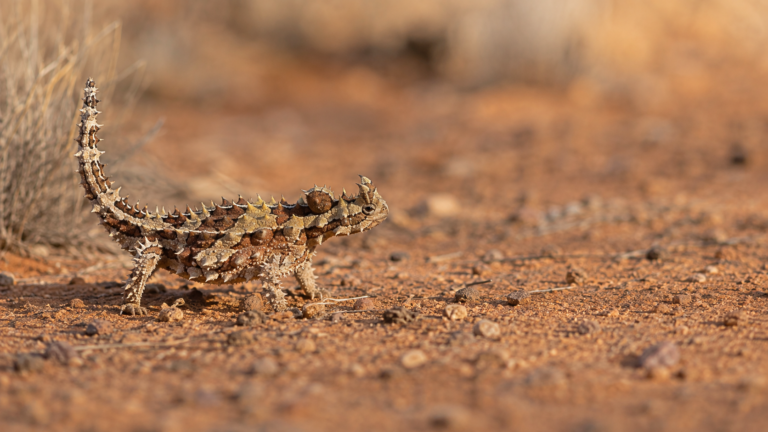
Desert Tortoise
The Desert Tortoise (Gopherus agassizii) is a long-lived reptile native to the Mojave and Sonoran Deserts of North America. It is a keystone species in its ecosystem, playing a vital role in maintaining the balance of nature.
Natural History
Desert Tortoises are herbivores, feeding on a variety of plants, including grasses, flowers, and shrubs. They are slow-moving animals, with a top speed of about 0.2 miles per hour. They are well adapted to life in the desert, with a shell that helps to conserve water and protect them from predators.
Habitat and Distribution
Desert Tortoises are found in the Mojave and Sonoran Deserts of North America, including parts of California, Nevada, Utah, Arizona, and Mexico. They inhabit areas with suitable vegetation and rocky outcrops, which provide shelter and protection from predators.
Conservation Status
Desert Tortoises are listed as Threatened under the Endangered Species Act. The main threats to their survival are habitat destruction, fragmentation, and degradation, as well as the introduction of non-native species, such as ravens and coyotes, which prey on them.
Public Safety and Responsible Observation
When observing Desert Tortoises in the wild, it is essential to maintain a safe distance and not touch or handle them. Tortoises can carry salmonella bacteria, which can be transmitted to humans. It is also important to respect their habitat and not disturb or remove rocks or vegetation, which can harm the tortoises and their ecosystem.
| Scientific Name | Gopherus agassizii |
|---|---|
| Family | Testudinidae |
| Order | Testudines |
| Habitat | Mojave and Sonoran Deserts |
| Diet | Herbivore |
| Conservation Status | Threatened |
Interesting Facts
Desert Tortoises can live up to 80 years in the wild, making them one of the longest-lived reptiles in North America. They can also survive for up to a year without water, by storing it in their bodies and metabolizing fat reserves.
What is the average lifespan of a Desert Tortoise?
Up to 80 years in the wild.
What is the main threat to Desert Tortoise survival?
Habitat destruction, fragmentation, and degradation.
Can I touch or handle a Desert Tortoise in the wild?
No, it is essential to maintain a safe distance and not touch or handle them, as they can carry salmonella bacteria.
How can I help conserve Desert Tortoises?
Respect their habitat, do not disturb or remove rocks or vegetation, and support conservation efforts.
- U.S. Fish and Wildlife Service. (2020). Desert Tortoise.
- Arizona-Sonora Desert Museum. (n.d.). Desert Tortoise.
- National Park Service. (n.d.). Desert Tortoise.
Responsible Use Notice: The information provided in this article is for educational purposes only. It is essential to prioritize the safety and well-being of both humans and animals. When interacting with wildlife, always maintain a safe distance and follow guidelines from reputable sources. Never attempt to touch, handle, or capture wild animals, as this can harm both humans and animals.
Life Cycle and Development
Desert Tortoises have a unique life cycle that is adapted to the harsh desert environment. They can live up to 80 years or more in the wild, making them one of the longest-living land animals in North America. The life cycle of a Desert Tortoise can be divided into several stages: hatchling, juvenile, sub-adult, and adult.
Hatchlings emerge from eggs after an incubation period of about 100 days. They are tiny, about 2-3 inches in length, and weigh around 0.07 ounces. The sex of the hatchlings is determined by the temperature of the incubating eggs, with warmer temperatures producing males and cooler temperatures producing females.
As hatchlings grow, they enter the juvenile stage, during which they are vulnerable to predators and harsh environmental conditions. Juveniles spend most of their time hiding in burrows or under vegetation, emerging only to feed and bask in the sun.
Sub-adults are larger and more mobile than juveniles, but still lack the full shell development of adults. They continue to grow and develop, eventually reaching adulthood at around 15-20 years of age.
Adult Desert Tortoises are characterized by their fully developed shells, which can reach up to 15 inches in length and weigh up to 15 pounds. They are herbivores and feed on a variety of plants, including grasses, flowers, and shrubs.
Communication and Senses
Desert Tortoises have a unique way of communicating with each other through a series of clicks, chirps, and whistles. They also use body language to convey information, such as head-bobbing and neck-stretching.
Desert Tortoises have a keen sense of smell, which they use to detect food and predators. They also have excellent eyesight, which helps them to detect movement and changes in their environment.
One of the most interesting features of Desert Tortoises is their ability to estivate, a state of dormancy that helps them to conserve water and energy during periods of drought or extreme heat. During estivation, their metabolism slows down, and they seal themselves within their shells, surviving on stored water and energy reserves.
Seasonal Variation
Desert Tortoises are adapted to the harsh desert environment, where temperatures can fluctuate greatly between day and night. During the summer months, they are active during the early morning and late afternoon, seeking shade and shelter from the intense heat.
In the winter months, Desert Tortoises are less active, often estivating in burrows or under vegetation to conserve energy and water. They emerge during periods of mild weather, when temperatures are cooler and rainfall is more frequent.
Ecological Relationships
Desert Tortoises play a vital role in maintaining the balance of their ecosystem. They are herbivores, feeding on plants that might otherwise become dominant and outcompete other species. They also provide a food source for predators, such as coyotes, bobcats, and hawks.
Desert Tortoises also have a unique relationship with ants, which are attracted to the tortoises’ urine and feces. The ants help to disperse seeds from the plants that the tortoises eat, allowing the plants to spread and colonize new areas.
Research and Conservation Efforts
Desert Tortoises are an important species for research, particularly in the fields of ecology, conservation biology, and wildlife management. Scientists study their behavior, habitat use, and population dynamics to better understand the impacts of human activities on their populations.
Conservation efforts are underway to protect Desert Tortoise populations and their habitats. These efforts include habitat restoration, species reintroduction, and education programs to raise awareness about the importance of conservation.
Responsible Enrichment and Captivity
Desert Tortoises are popular pets, but they require specialized care and housing. In captivity, they need a large enclosure with adequate ventilation, temperature control, and UVB lighting.
Responsible enrichment programs for Desert Tortoises in captivity include providing a varied diet, creating a naturalistic environment, and offering opportunities for exercise and socialization.
Ethical and Legal Considerations
Desert Tortoises are protected by law, and their capture, sale, and trade are regulated by federal and state agencies. It is essential to ensure that any interactions with Desert Tortoises, whether in the wild or in captivity, are done in a responsible and ethical manner.
In the wild, it is essential to respect their habitat and not disturb them, as they are vulnerable to stress and predation. In captivity, it is crucial to provide proper care and housing, and to ensure that their needs are met in a way that promotes their welfare and well-being.
Threats from Human Activities
Human activities pose significant threats to the survival of Desert Tortoises. One of the main concerns is the destruction and degradation of their habitat due to urbanization, mining, and infrastructure development. As the human population grows, natural habitats are being destroyed, fragmented, or degraded, leaving tortoises with limited space to roam and forage. This not only reduces their food sources but also increases their vulnerability to predators.
Another significant threat is the introduction of non-native species, such as ravens and coyotes, which prey on Desert Tortoises. These predators have no natural predators in the desert ecosystem and can easily exploit tortoise populations. In addition, human activities like off-highway vehicle use and recreational activities can disturb tortoise habitats, causing stress and disrupting their behavior.
Climate Change Impacts
Climate change is also affecting Desert Tortoise populations. Rising temperatures and changing precipitation patterns alter the availability of food resources, making it harder for tortoises to survive. Droughts, in particular, can have devastating effects on tortoise populations, as they rely on moisture-rich plants to sustain themselves. Warmer temperatures also increase the risk of disease and parasites, which can further weaken tortoise populations.
Furthermore, climate change alters the delicate balance of the desert ecosystem, affecting the plants and animals that tortoises interact with. For example, changes in temperature and precipitation patterns can alter the timing of plant growth, making it harder for tortoises to find food. This, in turn, can affect their reproduction and overall population dynamics.
Rehabilitation and Reintroduction Efforts
To combat the decline of Desert Tortoise populations, rehabilitation and reintroduction efforts are underway. Rescue centers and rehabilitation facilities provide care and treatment for injured or orphaned tortoises, with the goal of releasing them back into the wild. These efforts help to augment declining populations and increase genetic diversity.
Reintroduction programs involve releasing captive-bred tortoises into the wild to establish new populations or augment existing ones. These programs are carefully managed to ensure the released tortoises are healthy and adapted to their new environment. Monitoring and research are crucial components of these programs, as they help scientists understand the effectiveness of reintroduction efforts and identify areas for improvement.
Community Engagement and Education
Community engagement and education are essential for the conservation of Desert Tortoises. By raising awareness about the importance of conservation and the threats facing tortoise populations, communities can work together to protect these incredible animals. Educational programs and outreach activities help people understand the importance of responsible land use, the impact of human activities on tortoise habitats, and the simple actions they can take to help conserve tortoise populations.
By working together, we can ensure the long-term survival of Desert Tortoises and the ecosystems they inhabit.