Singapura
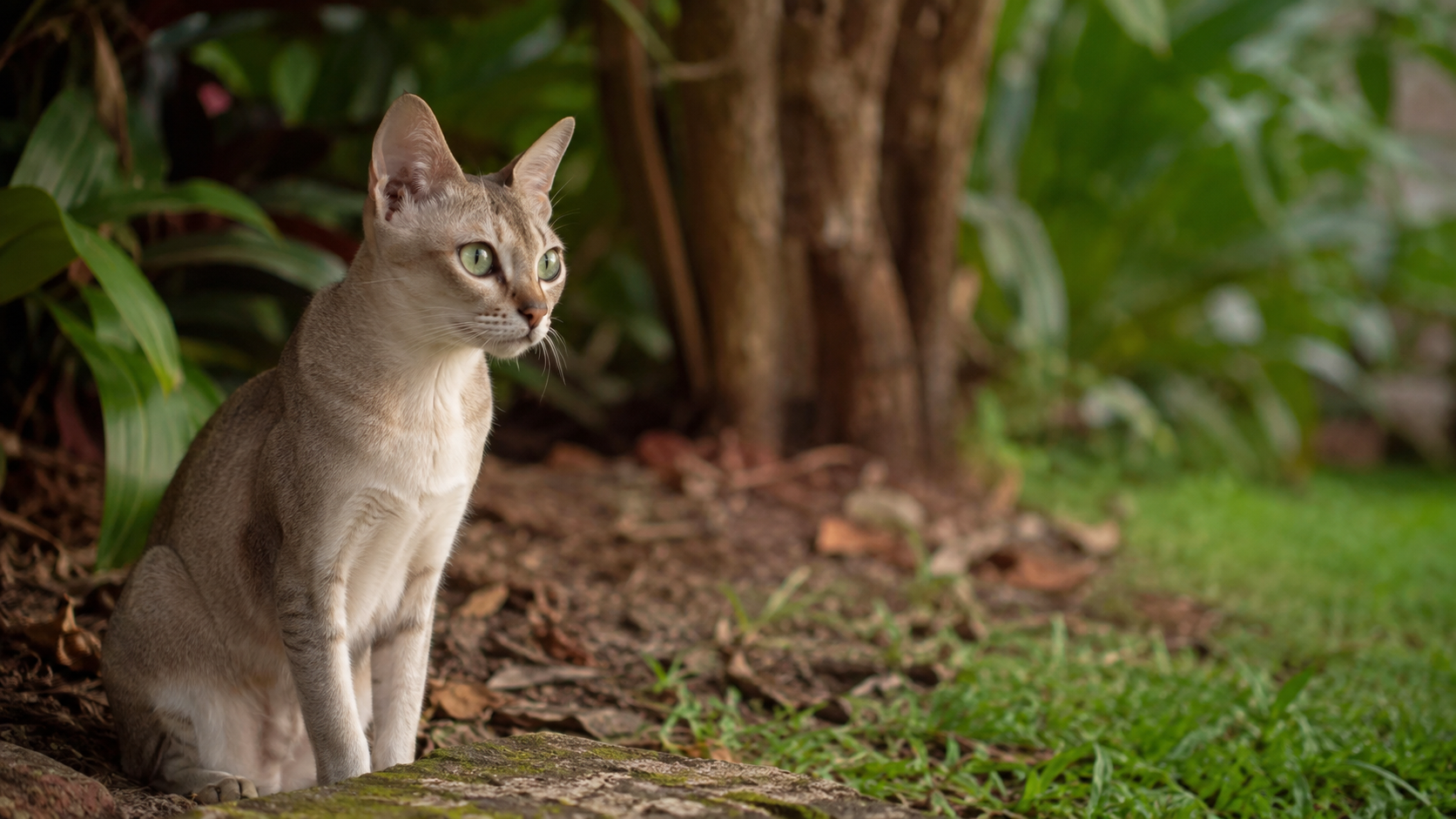
The Singapura is a small to medium-sized domesticated cat breed native to Singapore. It is known for being the smallest of all the recognized domesticated cat breeds, with males weighing between 2 and 4 kg (4.4 and 8.8 lbs) and females weighing between 1.5 and 3.5 kg (3.3 and 7.7 lbs).
History
The Singapura breed was first discovered in the 1970s in the streets of Singapore. The breed was developed by American breeders Tommy and Hal Meadows, who brought the cats back to the United States and began breeding them. The breed was officially recognized by The International Cat Association (TICA) in 1986.
Physical Characteristics
The Singapura is a muscular and athletic cat with a short, fine coat that is usually brown-ticked with a dark brown or sepia tone. The coat is short and smooth, with a silky texture. The breed has large eyes that are almond-shaped and range in color from yellow to green. The ears are large and wide at the base, with a rounded tip.
| Characteristic | Description |
|---|---|
| Weight | Male: 2-4 kg (4.4-8.8 lbs), Female: 1.5-3.5 kg (3.3-7.7 lbs) |
| Coat Length | Short |
| Coat Color | Brown-ticked with dark brown or sepia tone |
| Eye Color | Yellow to green |
| Ear Shape | Large, wide at base, rounded tip |
Personality
The Singapura is a playful and curious breed that is known for its intelligence and energy. They are highly active and love to play, climb, and jump. They are also very affectionate and enjoy human interaction, making them great companions.
Grooming
The Singapura has a short, fine coat that requires minimal grooming. A weekly brushing is sufficient to remove loose hair and distribute skin oils.
Health
The Singapura is generally a healthy breed, but like all breeds, they can be prone to certain health issues. These include hypertrophic cardiomyopathy (a heart condition), patellar luxation (a kneecap disorder), and pyruvate kinase deficiency (a genetic disorder that affects the metabolism).
Living Requirements
The Singapura is a adaptable breed that can thrive in a variety of living situations, from apartments to houses with yards. They require regular exercise and playtime, but they are not overly demanding.
What is the average lifespan of a Singapura?
The average lifespan of a Singapura is 12-15 years.
Are Singapuras good with children?
Yes, Singapuras are generally good with children, especially if socialized from an early age.
Do Singapuras require a lot of grooming?
No, Singapuras have a short, fine coat that requires minimal grooming.
Are Singapuras prone to any health issues?
Yes, Singapuras can be prone to hypertrophic cardiomyopathy, patellar luxation, and pyruvate kinase deficiency.
- The International Cat Association. (n.d.). Singapura. Retrieved from https://www.tica.org/breeds/browse-all-breeds?view=article&id=1701:singapura-breed-standard
- Cat Fanciers’ Association. (n.d.). Singapura. Retrieved from https://cfa.org/breeds/breeds/singapura/
- Veterinary Partner. (n.d.). Singapura. Retrieved from https://veterinarypartner.vin.com/default.aspx?pid=19239&id=10468
It is essential to consult with a veterinarian before bringing a Singapura into your home to ensure you can provide the necessary care and attention for this breed.
Life Cycle and Development
The Singapura breed, like all domesticated cats, has a relatively short gestation period of approximately 63-65 days. Female Singapuras typically give birth to 2-5 kittens per litter, with an average litter size of 3. The kittens are born blind and helpless, but develop quickly, with their eyes opening around 7-10 days after birth. The kittens begin to wean at around 4-6 weeks, and are usually fully weaned by 8-10 weeks.
As the kittens grow and develop, they begin to exhibit the characteristic brown-ticked coat and large eyes of the breed. Singapura kittens are known to be playful and curious, and begin to develop their hunting skills from an early age. They reach physical maturity at around 1-2 years, although they may continue to develop emotionally and socially for up to 3-4 years.
Communication and Senses
Like all domesticated cats, Singapuras use a variety of vocalizations, body language, and scent markings to communicate with their human caregivers and other animals. They are known to be vocal, using a range of sounds to convey their needs and wants, from soft meows to loud, insistent calls.
Singapuras also have a keen sense of hearing and vision, with eyes that are adapted to low light conditions. Their large ears are highly mobile, allowing them to pinpoint even the faintest sounds. They also have a highly developed sense of smell, which they use to detect food, detect potential threats, and mark their territory.
Seasonal Variation
As a domesticated breed, Singapuras are not subject to the same seasonal variations as their wild ancestors. However, they may still exhibit some seasonal changes in behavior and physiology. For example, they may be more active and playful during the spring and summer months, when temperatures are warmer and daylight hours are longer.
In the fall and winter months, Singapuras may become more sedentary and sleep more, as the days are shorter and temperatures are cooler. They may also require more attention and care during these months, as their coats may become thicker and more prone to matting.
Ecological Relationships
As a domesticated breed, Singapuras do not have a significant impact on their ecosystem. However, they may still play a role in controlling pest populations, such as mice and other small rodents. They are also known to form close bonds with their human caregivers, and can provide companionship and emotional support.
In terms of their relationship with other animals, Singapuras are generally social and can get along well with other cats and dogs, especially if socialized from an early age. However, as with any breed, it’s essential to introduce them slowly and under controlled circumstances to ensure a smooth transition.
Research and Conservation
As a recognized domesticated breed, the Singapura is not considered a conservation priority. However, research on the breed can provide valuable insights into the genetics and behavior of domesticated cats, and can inform breeding programs aimed at improving the health and well-being of the breed.
Additionally, research on the Singapura’s unique characteristics, such as their small size and brown-ticked coat, can provide insights into the evolution of domesticated cats and the development of new breeds.
Responsible Enrichment and Care
To ensure the physical and emotional well-being of Singapuras, it’s essential to provide them with a stimulating and enriching environment. This can include providing a variety of toys and scratching posts, as well as engaging in play and interactive activities.
Singapuras also require regular grooming to prevent matting and tangling of their coats. They should be brushed regularly, with a focus on the areas where the coat is longest, such as the ruff and tail.
In terms of diet, Singapuras require a balanced and nutritious diet that meets their specific nutritional needs. They should be fed a high-quality commercial cat food, and may also benefit from occasional treats and supplements.
Ethical and Legal Considerations
As with any breed, there are ethical and legal considerations to be aware of when keeping Singapuras as pets. These include ensuring that the cat is obtained from a reputable breeder or rescue organization, and that the cat is treated with respect and care.
Additionally, owners should be aware of local laws and regulations regarding animal welfare and ownership, and should ensure that they are in compliance with these regulations. This can include obtaining necessary licenses and permits, and providing adequate care and housing for the cat.
Behavioral Traits and Training
Singapura cats are known for their playful, curious, and affectionate nature. They are highly intelligent and active, requiring regular stimulation and exercise to prevent boredom and destructive behavior. They thrive on interaction and attention from their human family members, making them ideal for households with people who can devote time to play and engage with them.
Training a Singapura cat requires patience, consistency, and positive reinforcement. They respond well to clicker training and reward-based systems, which encourage good behavior and discourage bad habits. Early socialization is crucial to develop good manners and prevent behavioral problems. Singapura cats are generally easy to litter train, but they may require more frequent cleaning of the litter box due to their fastidious nature.
Diet and Nutrition
Singapura cats are obligate carnivores, requiring a diet rich in protein from animal sources. They thrive on high-quality commercial cat food that meets their nutritional needs, but may also benefit from occasional treats of cooked chicken, fish, or eggs. It’s essential to avoid overfeeding, as Singapura cats can be prone to obesity due to their small size and sedentary lifestyle.
A balanced diet that includes essential fatty acids, vitamins, and minerals is vital for maintaining the Singapura’s short, fine coat and overall health. Fresh water should always be available, and owners should monitor their cat’s food intake and adjust as necessary to prevent overeating or under-eating.
Environmental Enrichment
Providing a stimulating environment is crucial for the physical and mental well-being of Singapura cats. They require plenty of opportunities for exercise, play, and exploration, which can be achieved through the use of toys, scratching posts, and climbing structures. Owners should rotate toys regularly to prevent boredom and encourage problem-solving skills.
Vertical space is also essential for Singapura cats, who love to climb and perch. Cat trees, shelves, or scratching posts can provide them with a sense of security and allow them to observe their surroundings. A quiet, cozy area for rest and relaxation is also necessary, as Singapura cats value their alone time and may become stressed if not provided with a peaceful retreat.
Interactions with Other Pets
Singapura cats are generally compatible with other pets, especially if socialized from an early age. However, they may be wary of larger dogs or boisterous animals, and introductions should be done slowly and under controlled circumstances. They get along well with other cats, especially if they are of similar size and temperament.
It’s essential to monitor interactions between Singapura cats and other pets, especially during meal times or when resources are scarce. Providing separate areas for eating, sleeping, and relaxation can help reduce stress and prevent conflicts. With patience, love, and proper introduction, Singapura cats can thrive in multi-pet households.