
Introduction
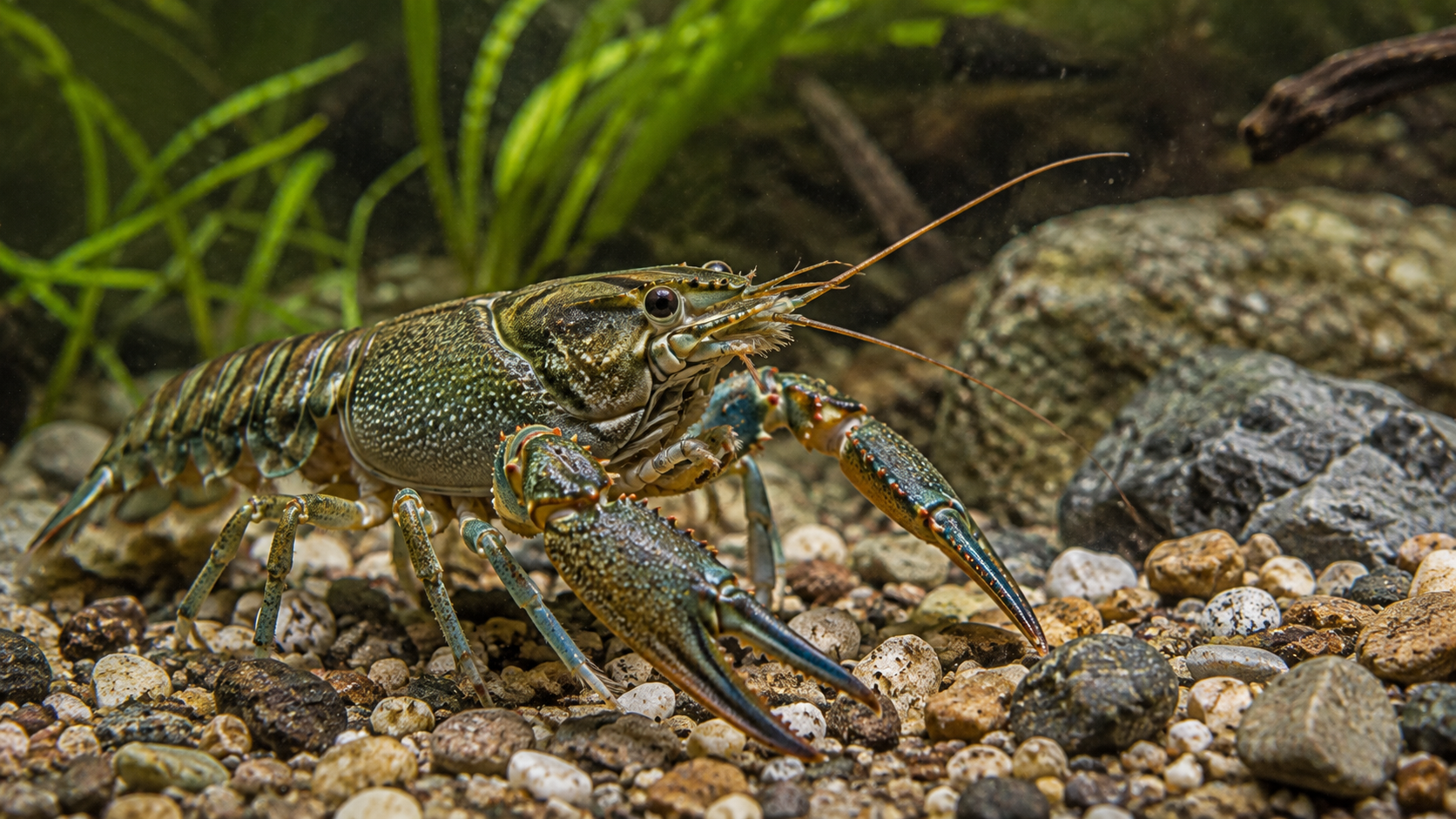
The Signal crayfish (Pacifastacus leniusculus) is a freshwater crustacean native to North America, specifically the Pacific Northwest region of the United States and southwestern Canada. It has been widely introduced to other parts of the world, including Europe and Asia, through human activity, and is now considered an invasive species in many areas.
Natural History
Signal crayfish are relatively large, reaching lengths of up to 15 cm (6 inches) and weighing up to 120 grams (4.3 ounces). They have a distinctive white or pale blue patch on the underside of their claws, which is where they get their name from. They are nocturnal animals and spend most of their time hiding in burrows or under rocks during the day.
Habitat and Distribution
Signal crayfish are found in a variety of freshwater habitats, including rivers, streams, lakes, and wetlands. They prefer areas with slow-moving water and a soft, sandy or muddy substrate. They are tolerant of a wide range of water temperatures and can survive in areas with low oxygen levels.
Diet and Foraging
Signal crayfish are opportunistic omnivores, feeding on a wide range of plants and animals. They eat aquatic plants, algae, and small animals such as insects, snails, and fish. They are also known to scavenge for food, eating dead and decaying matter.
Reproduction and Life Cycle
Signal crayfish breed in the spring and summer months, with females laying up to 200 eggs at a time. The eggs hatch after several weeks, and the young crayfish go through a series of molts as they grow and develop. They reach maturity in about 2-3 years and can live for up to 6 years in the wild.
Conservation Status
Signal crayfish are not considered to be a threatened species, but their introduction to non-native areas has had significant impacts on local ecosystems. They can outcompete native species for food and habitat, and can also introduce diseases and parasites to native populations.
Impacts on Native Ecosystems
Signal crayfish have been shown to have significant impacts on native ecosystems, including the displacement of native crayfish species and the alteration of aquatic plant communities. They can also contribute to the decline of native fish populations by competing with them for food and habitat.
| Characteristic | Description |
|---|---|
| Scientific Name | Pacifastacus leniusculus |
| Native Range | Pacific Northwest region of North America |
| Introduced Range | Europe, Asia, and other parts of North America |
| Length | Up to 15 cm (6 inches) |
| Weight | Up to 120 grams (4.3 ounces) |
| Diet | Omnivorous, eating plants and animals |
| Reproduction | Females lay up to 200 eggs at a time |
| Lifespan | Up to 6 years in the wild |
Public Safety and Handling
Signal crayfish can pinch with their claws, which can be painful. They should be handled carefully and humanely, and it is recommended to wear gloves when handling them. It is also important to check local regulations before handling or collecting Signal crayfish, as they may be protected in some areas.
What is the typical habitat of Signal crayfish?
Signal crayfish are found in a variety of freshwater habitats, including rivers, streams, lakes, and wetlands.
What do Signal crayfish eat?
Signal crayfish are opportunistic omnivores, feeding on a wide range of plants and animals.
How do Signal crayfish reproduce?
Signal crayfish breed in the spring and summer months, with females laying up to 200 eggs at a time.
What are the impacts of Signal crayfish on native ecosystems?
Signal crayfish can outcompete native species for food and habitat, and can also introduce diseases and parasites to native populations.
- International Union for Conservation of Nature (IUCN). (2020). Pacifastacus leniusculus.
- National Oceanic and Atmospheric Administration (NOAA). (2020). Signal Crayfish.
- United States Geological Survey (USGS). (2020). Signal Crayfish (Pacifastacus leniusculus).
Responsible Use Notice: Signal crayfish are an invasive species and should not be released into the wild. If you are considering keeping Signal crayfish as pets, please check local regulations and ensure that you can provide a suitable environment for them. It is also important to handle them carefully and humanely, and to avoid releasing them into non-native areas.
Communication and Senses
Signal crayfish use a variety of methods to communicate with each other, including visual, chemical, and tactile signals. They have a highly developed sense of smell, which they use to detect food and predators. They also use their antennae to detect vibrations in the water, which helps them to locate prey and detect potential threats. In addition to these senses, signal crayfish are also able to detect polarized light, which helps them to navigate their surroundings.
One of the most interesting ways that signal crayfish communicate is through the use of chemical signals, known as pheromones. These chemical signals are released into the water and can convey a range of information, including reproductive status and territorial boundaries. For example, male signal crayfish will release pheromones to attract females and to warn off other males. Female signal crayfish will also release pheromones to signal their reproductive status and to attract males.
Signal crayfish also use visual signals to communicate, including changes in color and posture. For example, a signal crayfish that feels threatened will often raise its claws and display a bright blue or white patch on its underside. This visual signal serves as a warning to potential predators that the crayfish is prepared to defend itself.
Seasonal Variation
Signal crayfish exhibit a range of seasonal behaviors that are adapted to the changing conditions of their environment. In the spring, signal crayfish emerge from their burrows and begin to forage for food. During this time, they are most active at night and will often travel long distances in search of food and mates.
In the summer, signal crayfish are at their most active, and will often be seen foraging for food during the day. They will also begin to molt, or shed their skin, as they grow and develop. This process can be stressful for the crayfish, and they will often seek out sheltered areas to hide while they are vulnerable.
In the fall, signal crayfish begin to prepare for the winter months by storing up fat reserves and seeking out sheltered areas to burrow into. They will often stop foraging for food and will enter a state of dormancy, known as “brumation,” in which their metabolism slows down and they conserve energy.
Ecological Relationships
Signal crayfish play a complex and multifaceted role in their ecosystems. As both predators and prey, they are an important link in the food chain. They feed on a wide range of plants and animals, including algae, aquatic insects, and small fish. In turn, they are preyed upon by a range of predators, including fish, birds, and other crustaceans.
Signal crayfish also play an important role in shaping their ecosystems through their burrowing activities. Their burrows can be complex and extensive, and can provide shelter for a range of other animals. They also help to mix up the sediment and increase the oxygen levels in the water, which can benefit other aquatic animals.
However, signal crayfish can also have negative impacts on their ecosystems. As an invasive species, they can outcompete native species for food and habitat, and can alter the ecosystem in ways that are detrimental to native species. For example, they can reduce the amount of vegetation in an ecosystem, which can lead to increased erosion and decreased water quality.
Research
Signal crayfish have been the subject of a range of research studies, particularly in the areas of ecology and conservation. Scientists are interested in understanding the impacts of signal crayfish on native ecosystems, and in developing effective methods for controlling their populations.
One area of research has focused on the use of biological control methods to control signal crayfish populations. For example, scientists have investigated the use of parasites and predators to control signal crayfish populations. They have also looked at the use of traps and other removal methods to control populations.
Another area of research has focused on the ecology of signal crayfish. Scientists have studied their behavior, habitat use, and population dynamics in order to better understand their role in ecosystems. This research has helped to inform conservation efforts and to develop effective management strategies.
Responsible Enrichment
Signal crayfish are popular among aquarium hobbyists, and can make interesting and rewarding pets. However, it is essential to provide them with a suitable environment and to ensure that their needs are met.
In order to provide signal crayfish with a stimulating environment, aquarium hobbyists can provide them with a range of enrichment activities. For example, they can add plants and rocks to the aquarium to provide hiding places and visual interest. They can also add toys and other objects to the aquarium to provide stimulation and challenge.
It is also essential to ensure that signal crayfish are provided with a nutritious diet. They are opportunistic omnivores, and will thrive on a diet that includes a range of plants and animals. Aquarium hobbyists can provide them with commercial pellets or flakes, as well as live or frozen foods such as brine shrimp or bloodworms.
Ethical and Legal Considerations
Signal crayfish are considered an invasive species in many areas, and their release into the wild can have serious ecological consequences. As a result, it is essential to handle them responsibly and to ensure that they do not escape into the wild.
In many areas, it is illegal to release non-native species into the wild, and signal crayfish are no exception. Aquarium hobbyists who wish to keep signal crayfish as pets must ensure that they are obtained from a reputable supplier and that they are not released into the wild.
It is also essential to consider the welfare of signal crayfish in captivity. They require a suitable environment and a nutritious diet, and must be handled carefully to avoid causing them stress or injury. Aquarium hobbyists must also ensure that they are able to provide the necessary care and attention to their signal crayfish, and that they are not taking on more animals than they can care for.


