Introduction
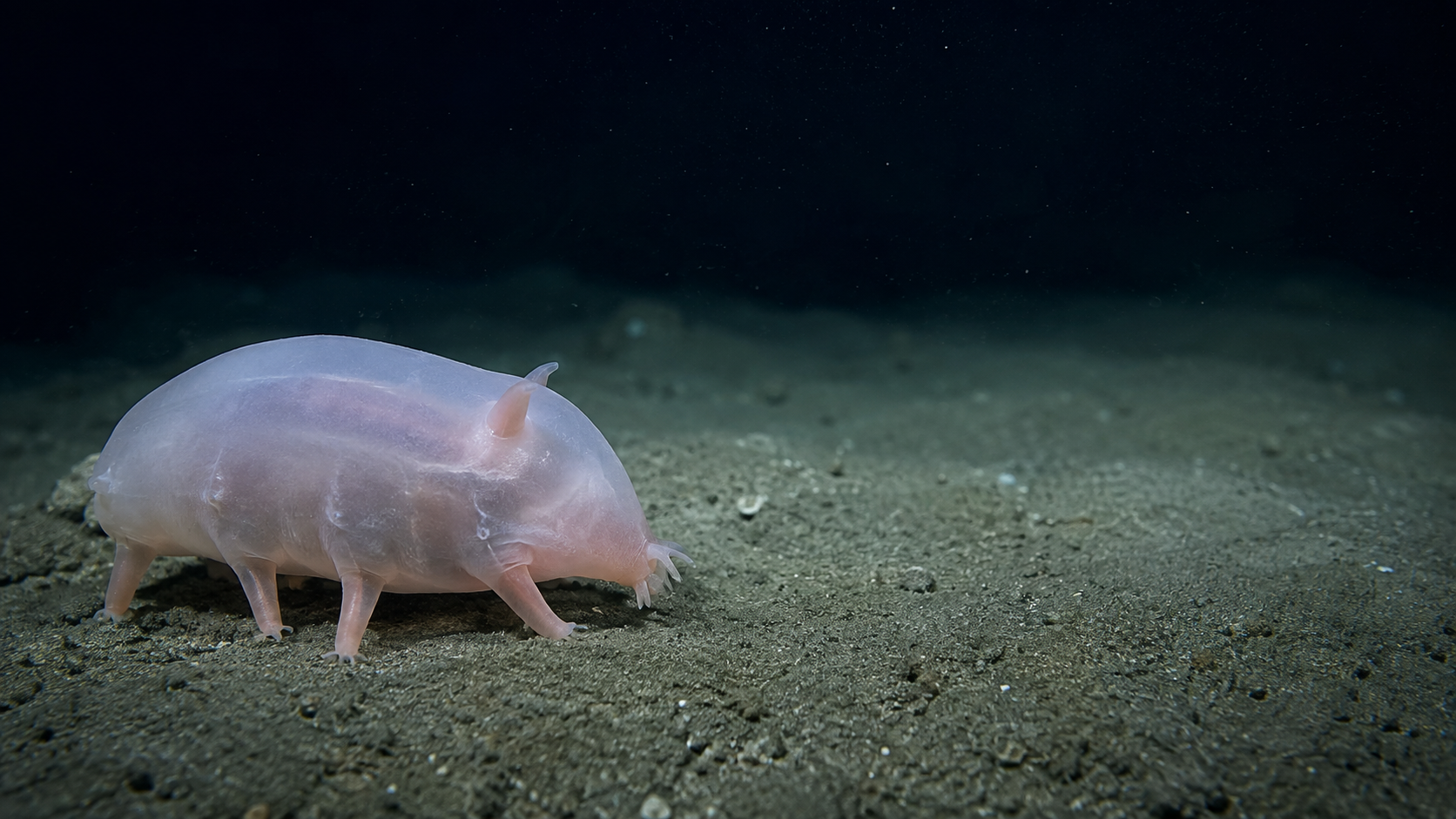
The sea pig ( Scotoplanes spp.) is a type of deep-sea holothurian, also known as a sea cucumber. It is a member of the phylum Echinodermata, which also includes starfish, sea urchins, and sea stars. Sea pigs are found in oceans around the world, typically at depths of 200-4,000 meters.
Physical Characteristics
Sea pigs have a soft, rounded body that is usually brown or reddish-brown in color. They have a series of feathery arms that they use to capture food particles from the water. These arms are highly flexible and can be used to sense their surroundings. Sea pigs also have a pair of feathery gills that they use to breathe.
| Characteristic | Description |
|---|---|
| Body length | Up to 30 cm (12 in) |
| Body width | Up to 15 cm (6 in) |
| Arm length | Up to 20 cm (8 in) |
| Weight | Up to 1 kg (2.2 lb) |
Habitat and Distribution
Sea pigs are found in oceans around the world, typically at depths of 200-4,000 meters. They are most commonly found in areas with soft sediment, such as sand or mud. They are also found in areas with high levels of organic matter, such as near hydrothermal vents or in areas with high levels of decaying plant material.
Diet
Sea pigs are detritivores, which means that they feed on dead and decaying plant and animal matter. They use their feathery arms to capture food particles from the water, and then use their many tentacles to move the food to their mouth.
Behavior
Sea pigs are slow-moving animals that are generally found on or near the seafloor. They are able to move slowly using their many tentacles, but they are not able to swim quickly. They are also able to use their feathery arms to sense their surroundings and to capture food particles from the water.
Conservation Status
Sea pigs are not currently considered to be a threatened species, although their populations are often affected by deep-sea fishing and other human activities. They are also vulnerable to climate change, which can affect the availability of food and habitat.
Interesting Facts
Sea pigs are able to expel internal organs as a defense mechanism, and then regrow them. They are also able to use their feathery arms to sense their surroundings and to capture food particles from the water.
What do sea pigs eat?
Sea pigs are detritivores, which means that they feed on dead and decaying plant and animal matter.
Where are sea pigs found?
Sea pigs are found in oceans around the world, typically at depths of 200-4,000 meters.
Are sea pigs endangered?
Sea pigs are not currently considered to be a threatened species, although their populations are often affected by deep-sea fishing and other human activities.
What is unique about sea pigs?
Sea pigs are able to expel internal organs as a defense mechanism, and then regrow them.
- National Oceanic and Atmospheric Administration (NOAA)
- World Register of Marine Species (WoRMS)
- Integrated Taxonomic Information System (ITIS)
Please note: The information provided is for educational purposes only and should not be used for veterinary or conservation advice. If you have any concerns about the health or well-being of a sea pig, please consult a qualified professional.
Life Cycle
Sea pigs have a complex life cycle that involves several stages of development. The life cycle of a sea pig begins with the release of sperm and eggs into the water column. Fertilization occurs externally, and the resulting larvae drift in the water column before settling on the seafloor. The larvae undergo metamorphosis, during which they develop their feathery arms and gills. As they grow, they begin to feed on small particles of food from the seafloor. Sea pigs can live for up to 10 years in the wild, although their average lifespan is typically much shorter.
Communication and Senses
Sea pigs have a unique way of communicating with each other through the use of chemical signals. They release chemicals into the water that can be detected by other sea pigs, allowing them to coordinate their behavior and find potential mates. Sea pigs also have a well-developed sense of touch, which they use to detect food particles and navigate their surroundings. Their feathery arms are highly sensitive and can detect even slight changes in the water pressure. Sea pigs do not have eyes, but they are able to detect light and dark through specialized light-sensitive cells.
Seasonal Variation
Sea pigs are found in oceans around the world, and their behavior and physiology can vary depending on the season. In areas with cold winters, sea pigs may burrow into the sediment to escape the cold temperatures. In areas with high levels of organic matter, sea pigs may be more active during the summer months when food is more abundant. Sea pigs are also able to survive in areas with low oxygen levels, such as near hydrothermal vents, by using their feathery gills to extract oxygen from the water.
Ecological Relationships
Sea pigs play an important role in the ecosystem as both predators and prey. They feed on small particles of food from the seafloor, helping to recycle nutrients and keep the ecosystem healthy. Sea pigs are also an important food source for many other animals, including fish, sea stars, and sea urchins. In addition, sea pigs help to mix the sediment and keep it oxygenated, which can help to support the growth of other animals.
Research
Sea pigs are an important subject of research in the field of marine biology. Scientists are interested in studying the behavior and physiology of sea pigs in order to better understand the ecosystem and how to protect it. Sea pigs are also of interest to researchers studying the development of new medicines, as they have a unique body chemistry that has been found to have antibacterial and antifungal properties.
Responsible Enrichment
Sea pigs are often kept in aquariums and are a popular species for research and education. However, it is important to ensure that they are kept in a responsible and sustainable way. This includes providing them with a suitable environment that mimics their natural habitat, and ensuring that they are fed a diet that is nutritious and sustainable. It is also important to ensure that sea pigs are not taken from the wild, but are instead bred in captivity or obtained from sustainable sources.
Ethical and Legal Considerations
The capture and trade of sea pigs is regulated by international law, and it is important to ensure that any sea pigs that are kept in captivity are obtained and kept in a way that is sustainable and responsible. Sea pigs are also protected by laws that prohibit the destruction of their habitat and the pollution of their environment. It is also important to consider the welfare of sea pigs and ensure that they are treated with respect and care.
Adaptations to Deep-Sea Life
Sea pigs have several adaptations that allow them to thrive in the deep-sea environment. One of the most significant adaptations is their ability to collect food from the seafloor. They use their feathery arms to capture organic matter from the sediment, which is then brought to their mouth for digestion. This process is made possible by the unique structure of their arms, which are covered in tiny, hair-like appendages that help to capture small particles.
Another adaptation of sea pigs is their ability to survive in low-oxygen environments. They have a slow metabolism, which allows them to conserve energy in areas where food is scarce. Additionally, they have a unique respiratory system that allows them to extract oxygen from the water more efficiently than other animals. This is made possible by the feathery gills, which provide a large surface area for gas exchange.
Role in the Deep-Sea Ecosystem
Sea pigs play an important role in the deep-sea ecosystem. They are a key component of the food chain, serving as both predators and prey for other animals. They feed on organic matter, helping to break down and recycle nutrients in the ecosystem. In turn, they are preyed upon by larger animals, such as fish and other invertebrates.
Sea pigs also play a role in the process of bioturbation, which is the disturbance of the seafloor by animals. As they move through the sediment, they help to mix and aerate the sediment, which can have a positive impact on the overall health of the ecosystem.
Deep-Sea Exploration and Research
Sea pigs have been the subject of several research studies in recent years. Scientists have used submersibles and remotely operated vehicles (ROVs) to study the behavior and ecology of sea pigs in their natural habitat. These studies have provided valuable insights into the biology and ecology of these animals, and have helped to shed light on the complex interactions that occur in deep-sea ecosystems.
One area of research that has received particular attention is the study of sea pig behavior. Scientists have used observations from submersibles and ROVs to study the feeding behavior, social interactions, and mating habits of sea pigs. These studies have shown that sea pigs are complex animals that are capable of a range of behaviors, from simple feeding and locomotion to complex social interactions.
Threats and Management
Despite their importance in the deep-sea ecosystem, sea pigs are facing several threats. One of the main threats is the impact of deep-sea fishing, which can damage the seafloor and disrupt the delicate balance of the ecosystem. Additionally, climate change is expected to have a significant impact on deep-sea ecosystems, with changes in temperature and ocean chemistry potentially affecting the distribution and abundance of sea pigs.
To address these threats, scientists and conservationists are working to develop management plans that protect deep-sea ecosystems. These plans include the establishment of marine protected areas, which can provide a safe haven for sea pigs and other deep-sea animals. Additionally, researchers are working to develop new technologies and methods for studying and managing deep-sea ecosystems, which will help to ensure the long-term health and sustainability of these ecosystems.