Poison dart frog: A Comprehensive Guide
Rana Dendrobates, also known as the Rana Dardo, is a species of poison dart frog native to Central and South America. These frogs are known for their vibrant colors and toxic secretions, which they use for defense.
Quick Reference Table
| Characteristic | Description |
|---|---|
| Scientific Name | Rana Dendrobates |
| Common Name | Rana Dardo |
| Family | Dendrobatidae |
| Native Range | Central and South America |
| Diet | Insects, spiders, and other small invertebrates |
Taxonomy and Identification
Rana Dendrobates belongs to the family Dendrobatidae, which includes over 180 species of poison dart frogs. These frogs are characterized by their bright colors and toxic secretions, which they use for defense.
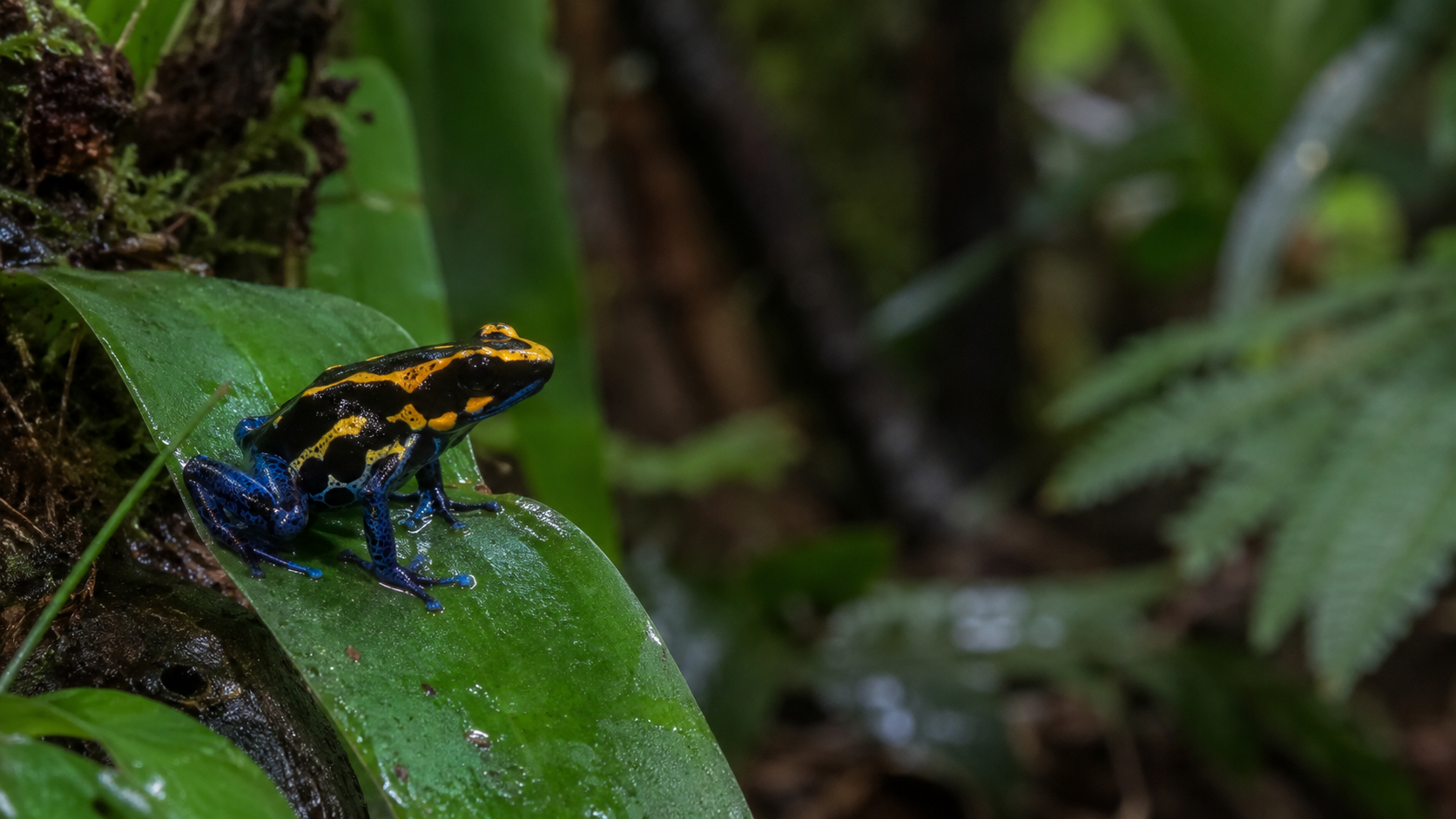
Rana Dendrobates can be identified by its vibrant orange or red coloration, with black spots or stripes on its back. It has a distinctive rounded body shape and long, slender limbs.
Natural Habitat and Distribution
Rana Dendrobates is found in the tropical rainforests of Central and South America, including countries such as Costa Rica, Panama, and Colombia. These frogs inhabit areas with high humidity and warm temperatures, typically near water sources such as streams or ponds.
In their natural habitat, Rana Dendrobates can be found on the forest floor, where they forage for insects and other small invertebrates. They are also known to climb trees and inhabit areas with dense vegetation.
Behaviour
Rana Dendrobates is a diurnal species, meaning it is active during the day. These frogs are known to be solitary animals and only come together during mating season.
During courtship, male Rana Dendrobates will perform a complex dance to attract females. This dance involves a series of clicks, chirps, and whistles, as well as visual displays of color and movement.
Female Rana Dendrobates will lay their eggs on the forest floor, typically in areas with high humidity and warm temperatures. The eggs will hatch into tadpoles after several days, which will then undergo metamorphosis to become adult frogs.
Rana Dendrobates (Rana Dardo): A Comprehensive Guide
Rana Dendrobates, also known as the Rana Dardo, is a species of poison dart frog native to Central and South America. These frogs are known for their vibrant colors and toxic secretions, which they use for defense.
Diet
Rana Dendrobates is a carnivorous species, feeding on a variety of small invertebrates such as insects, spiders, and worms. In captivity, they can be fed a diet of live insects, such as crickets, mealworms, and waxworms.
Daily Needs
Rana Dendrobates requires a warm and humid environment, with temperatures ranging from 75-85°F (24-29°C) and humidity levels above 60%. They also require a shallow water dish for soaking and a hiding place or two to reduce stress.
Warning Signs
Rana Dendrobates can be prone to certain health issues, such as metabolic bone disease, respiratory infections, and skin lesions. Keep an eye out for signs of illness, such as lethargy, loss of appetite, or changes in skin coloration.
Responsible Care or Conservation
Rana Dendrobates is a protected species in some countries, and their capture and trade are regulated by laws and international agreements. If you are interested in keeping Rana Dendrobates as pets, make sure to research and understand the laws and regulations in your area.
In addition, it is essential to support conservation efforts and protect the natural habitats of Rana Dendrobates. You can do this by supporting organizations that work to protect and restore tropical rainforests, and by making eco-friendly choices in your daily life.
Practical Takeaways
- Rana Dendrobates is a vibrant and fascinating species, but it requires specialized care and attention.
- Make sure to research and understand the laws and regulations regarding the capture and trade of Rana Dendrobates in your area.
- Support conservation efforts and protect the natural habitats of Rana Dendrobates.
What is the average lifespan of Rana Dendrobates?
The average lifespan of Rana Dendrobates in captivity is around 5-7 years.
Can I keep Rana Dendrobates as pets?
Yes, but make sure to research and understand the laws and regulations regarding the capture and trade of Rana Dendrobates in your area.
What is the best way to care for Rana Dendrobates?
Rana Dendrobates requires a warm and humid environment, with temperatures ranging from 75-85°F (24-29°C) and humidity levels above 60%. They also require a shallow water dish for soaking and a hiding place or two to reduce stress.
What are some common health issues in Rana Dendrobates?
Rana Dendrobates can be prone to certain health issues, such as metabolic bone disease, respiratory infections, and skin lesions.
Sources or Recommended Reading
Remember to consult with a qualified veterinarian or experienced breeder for specific advice on caring for Rana Dendrobates. They can provide personalized guidance and help you ensure the best possible care for your pet.
Life Cycle and Development
Rana Dendrobates, like other poison dart frogs, undergoes a complex life cycle that involves both aquatic and terrestrial environments. The female frog lays her eggs on a leaf or branch near a water source, and the male frog fertilizes them. The eggs hatch into tadpoles after several days, and the tadpoles fall into the water below.
The tadpoles go through a series of developmental stages, feeding on algae and small organisms in the water. After several weeks, they undergo metamorphosis, during which they develop lungs, lose their gills, and transform into young frogs. These juvenile frogs, called juveniles, are initially small and vulnerable, but they grow rapidly, feeding on small insects and other invertebrates.
As they mature, Rana Dendrobates frogs develop their characteristic bright colors and toxic secretions. They reach reproductive maturity at around 1-2 years of age, at which point they begin to breed and start the cycle over again.
Communication and Senses
Rana Dendrobates frogs use a variety of signals to communicate with each other, including vocalizations, visual displays, and chemical cues. Males use a high-pitched call to attract females and defend their territory from other males. Females use a different call to signal their receptiveness to mating.
These frogs also have a keen sense of vision, which they use to detect predators and prey. Their eyes are positioned on the top of their head, allowing them to see in multiple directions at once. They also have a sensitive sense of hearing, which helps them detect the calls of other frogs.
In addition to their visual and auditory senses, Rana Dendrobates frogs have a highly developed sense of smell. They use their vomeronasal organ (also known as the Jacobson’s organ) to detect chemical cues, such as pheromones, which help them navigate their environment and find potential mates.
Seasonal Variation and Ecological Relationships
Rana Dendrobates frogs are adapted to the warm, humid climate of the tropical rainforest, and their activity patterns vary with the seasons. During the dry season, they tend to be more sedentary, hiding in burrows or under leaf litter to conserve energy and water.
In the wet season, they become more active, foraging for food and breeding. This is also the time when they are most vulnerable to predators, such as snakes, birds, and other frogs.
Rana Dendrobates frogs play an important role in their ecosystem, serving as both predators and prey. They feed on small insects and other invertebrates, helping to regulate their populations. In turn, they are preyed upon by larger animals, such as snakes and birds.
Research and Conservation Efforts
Rana Dendrobates frogs are popular among researchers due to their unique characteristics and adaptations. Scientists have studied their toxic secretions, which have led to the development of new medicines and treatments.
However, Rana Dendrobates frogs are also facing threats in the wild, including habitat destruction, climate change, and disease. Conservation efforts are underway to protect their habitats and reduce the impact of human activities on their populations.
One of the main challenges facing conservation efforts is the pet trade, which has led to the over-collection of Rana Dendrobates frogs from the wild. This has not only reduced their populations but also disrupted the delicate balance of their ecosystems.
Responsible Enrichment and Ethical Considerations
For those who are interested in keeping Rana Dendrobates frogs as pets, it is essential to consider the ethical implications of doing so. These frogs have complex social and spatial needs that are difficult to replicate in captivity.
Responsible enrichment involves providing a stimulating environment that meets their physical and behavioral needs. This includes providing a varied diet, a suitable enclosure, and opportunities for exercise and social interaction.
It is also essential to consider the source of the frogs and ensure that they are not wild-caught. Many breeders and suppliers are now offering captive-bred Rana Dendrobates frogs, which can help reduce the demand on wild populations.
Ultimately, the decision to keep Rana Dendrobates frogs as pets should be made with careful consideration of the potential consequences for the frogs and their ecosystems.