Introduction
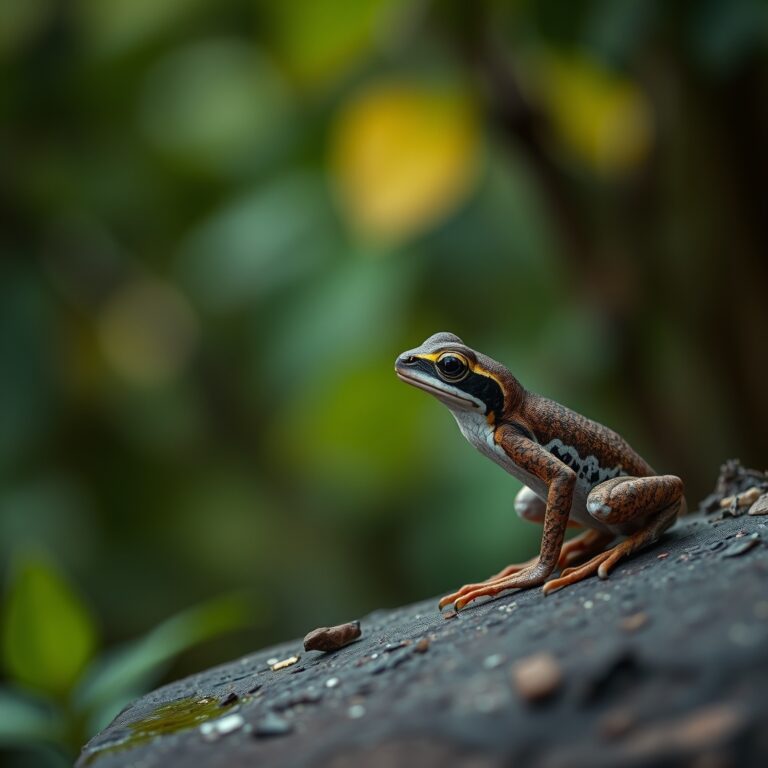
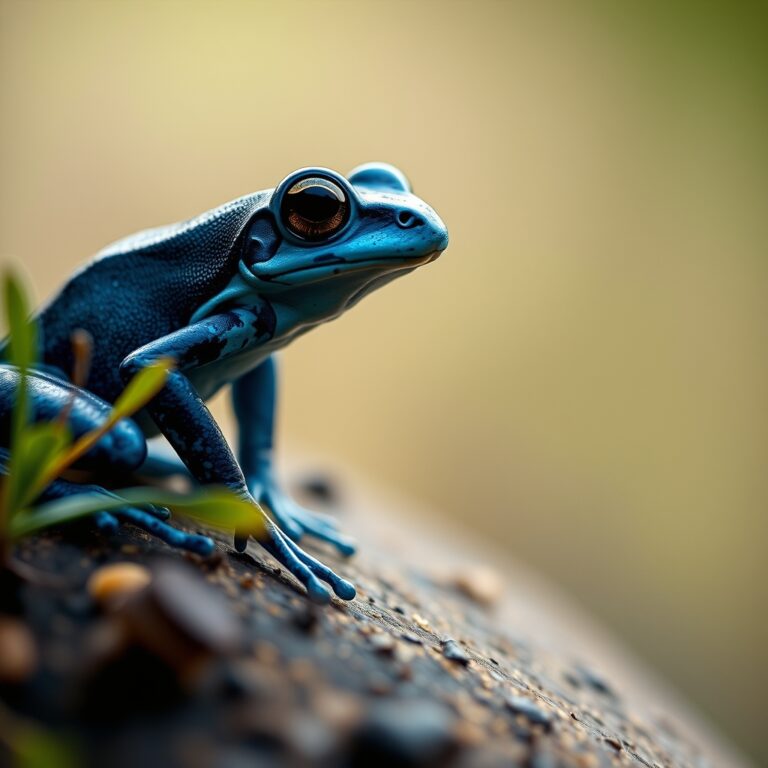
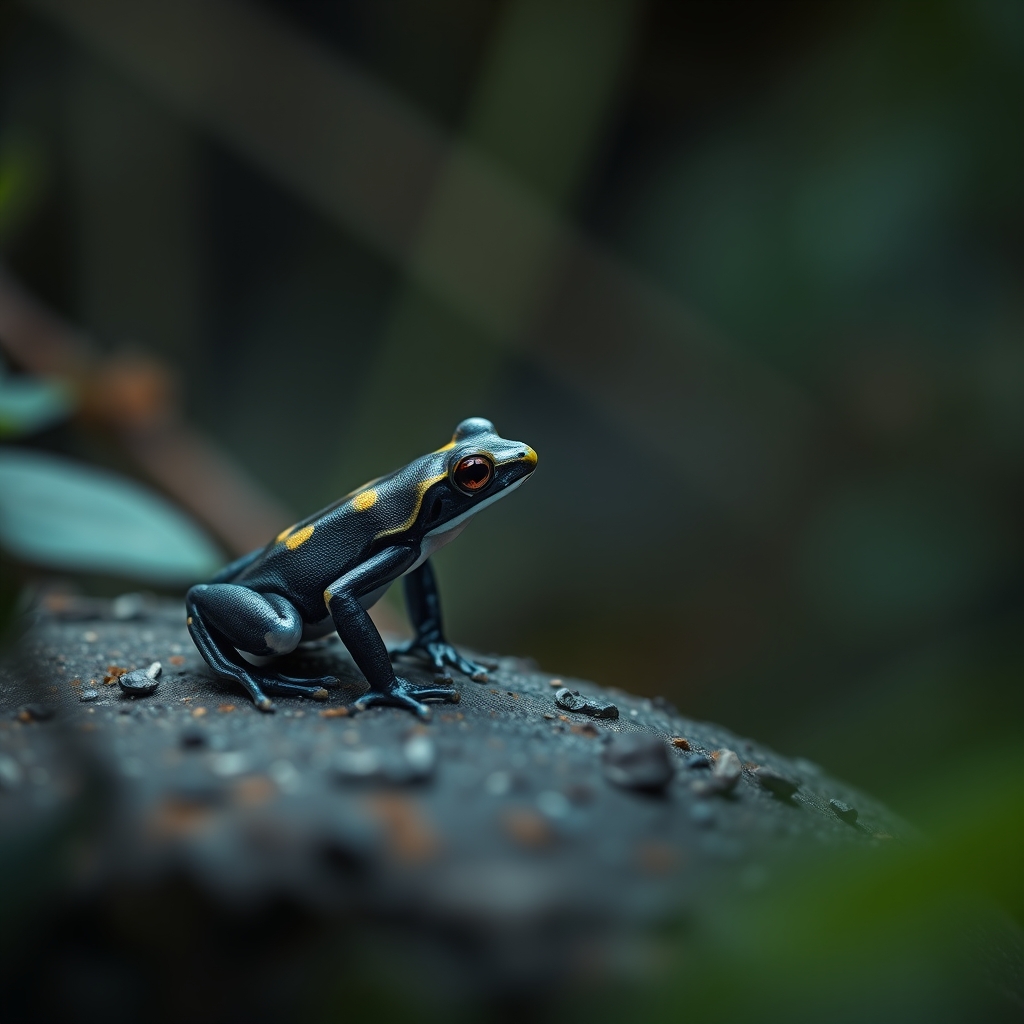
Poison dart frogs are a group of colorful and toxic frogs native to the tropical regions of Central and South America. These frogs have been a subject of interest for scientists, animal enthusiasts, and indigenous communities for centuries. Their bright colors and unique characteristics make them one of the most fascinating creatures in the animal kingdom.
Quick Reference Table
| Scientific Name | Dendrobatidae |
|---|---|
| Family | Dendrobatidae |
| Native Region | Tropical regions of Central and South America |
| Conservation Status | Vulnerable to Endangered |
| Size | 1-6 cm (0.4-2.4 in) |
| Lifespan | 5-15 years in captivity |
Taxonomy and Identification
Poison dart frogs belong to the family Dendrobatidae, which comprises over 180 species. They are divided into several genera, including Dendrobates, Phyllobates, and Ranitomeya. These frogs are characterized by their bright colors, slender bodies, and toxic secretions.
Physical characteristics of poison dart frogs include their small size, ranging from 1-6 cm (0.4-2.4 in) in length, and their vibrant colors, which can vary from species to species. They have a distinctive body shape, with a narrow waist and long legs.
Natural Habitat and Distribution
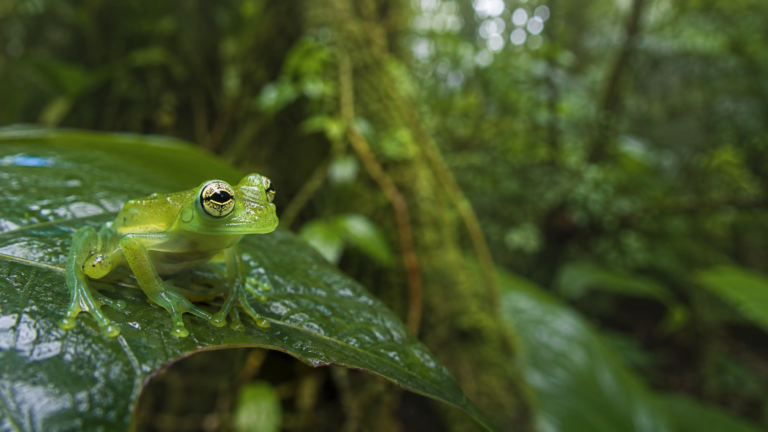
Poison dart frogs are found in the tropical regions of Central and South America, including countries such as Colombia, Ecuador, Peru, and Brazil. They inhabit humid, tropical forests, including rainforests and cloud forests, and are often found near water sources, such as streams and rivers.
Behaviour
Poison dart frogs are diurnal and spend most of their time on the forest floor, where they forage for food and interact with other frogs. They are social animals and are often found in small groups. These frogs are also known for their unique mating and breeding behaviors, which involve complex vocalizations and visual displays.
Diet
Poison dart frogs are carnivorous and feed on small insects, such as ants, beetles, and flies. They have a sticky tongue that they use to catch their prey, and their toxic secretions help to protect them from predators.
Diet
Poison dart frogs are carnivorous and feed on small insects, such as ants, beetles, and flies. They have a sticky tongue that they use to catch their prey, and their toxic secretions help to protect them from predators.
Care and Daily Needs
In captivity, poison dart frogs require a controlled environment that mimics their natural habitat. This includes a temperature range of 75-85°F (24-29°C), humidity levels of 60-80%, and a diet of live insects. They also require a shallow water dish for soaking and a hiding place or two to reduce stress.
It’s essential to research and understand the specific needs of the species you’re interested in keeping as a pet, as some may require more specialized care. A well-ventilated, secure enclosure with a substrate that can hold moisture, such as sphagnum moss, is also crucial.
Warning Signs of Stress or Illness
Poison dart frogs can be prone to stress and illness if their environment is not properly maintained. Warning signs of stress or illness include changes in appetite, skin lesions, and changes in color or behavior. If you notice any of these signs, it’s essential to consult with a veterinarian experienced in amphibian care.
Responsible Care and Conservation
Poison dart frogs are popular pets, but it’s essential to remember that they are wild animals that have complex social and spatial needs. Before deciding to bring a poison dart frog into your home, research the laws and regulations regarding their capture and trade in your area.
Many species of poison dart frogs are threatened or endangered due to habitat loss, pollution, and the pet trade. By supporting conservation efforts and choosing captive-bred animals, you can help reduce the demand for wild-caught frogs and promote the protection of their habitats.
Frequently Asked Questions
Are poison dart frogs poisonous to humans?
While poison dart frogs are toxic, they are not typically poisonous to humans. However, it’s essential to handle them gently and carefully, as their toxic secretions can cause skin irritation in some individuals.
Can I release my pet poison dart frog into the wild?
No, it’s not recommended to release your pet poison dart frog into the wild. Non-native species can disrupt local ecosystems, and released pets may not survive or thrive in their new environment.
How long do poison dart frogs live in captivity?
Poison dart frogs can live for 5-15 years in captivity, depending on the species and quality of care.
What is the best way to care for a poison dart frog?
The best way to care for a poison dart frog is to research and understand the specific needs of the species you’re keeping as a pet. This includes providing a controlled environment, a balanced diet, and regular veterinary check-ups.
Sources
- National Geographic: Poison Dart Frogs
- Smithsonian’s National Zoo & Conservation Biology Institute: Poison Dart Frogs
- International Union for Conservation of Nature (IUCN): Dendrobatidae
Important Notice: If you suspect that your pet poison dart frog is ill or injured, please consult with a veterinarian experienced in amphibian care. They can provide you with the best advice and treatment options for your pet.
Life Cycle and Development
Poison dart frogs undergo a complex life cycle, which includes both aquatic and terrestrial environments. The life cycle of these frogs can be divided into three stages: egg, tadpole, and adult. Female poison dart frogs typically lay their eggs on the forest floor, near a water source. The eggs hatch into tadpoles after several days, and the tadpoles then undergo metamorphosis, developing lungs and losing their gills.
During this stage, the tadpoles are carnivorous, feeding on small invertebrates and algae. As they grow, they begin to develop their toxic secretions, which are produced by glands in their skin. After several weeks, the tadpoles undergo metamorphosis, emerging as small, fully formed frogs.
Communication and Senses
Poison dart frogs have a unique communication system, which involves a combination of visual and auditory cues. They use their bright colors to signal aggression, courtship, or warning calls to potential predators. They also use a series of high-pitched calls to communicate with other frogs.
In addition to their visual and auditory cues, poison dart frogs have a highly developed sense of smell. They use their sense of smell to detect food, predators, and potential mates. They also have a highly developed sense of touch, which they use to navigate their environment and detect prey.
Seasonal Variation and Ecological Relationships
Poison dart frogs have adapted to the changing seasons in their tropical habitats. During the dry season, they often burrow underground or hide in leaf litter to conserve water and energy. During the wet season, they emerge to breed and forage for food.
Poison dart frogs play a crucial role in their ecosystems, serving as both predators and prey. They feed on small invertebrates, such as ants and beetles, which helps to regulate their populations. They are also an important food source for other animals, such as birds, snakes, and other predators.
Research and Conservation Efforts
Poison dart frogs have been the subject of extensive research, particularly in the fields of ecology, evolution, and conservation biology. Scientists have studied their unique adaptations, such as their toxic secretions, and their complex life cycles.
Conservation efforts are underway to protect poison dart frogs and their habitats. Many species are threatened by habitat destruction, climate change, and the pet trade. Conservation organizations are working to protect their habitats, monitor populations, and educate local communities about the importance of conservation.
Responsible Enrichment and Captive Care
For those who keep poison dart frogs in captivity, providing a stimulating and naturalistic environment is crucial. This includes providing a varied diet, a suitable enclosure, and opportunities for exercise and exploration.
Responsible enrichment activities, such as providing hiding places, plants, and water features, can help to reduce stress and promote natural behavior. Captive breeding programs can also help to support conservation efforts and reduce the demand for wild-caught frogs.
Ethical and Legal Considerations
The capture and trade of poison dart frogs is regulated by international law, and many species are protected by CITES (Convention on International Trade in Endangered Species of Wild Fauna and Flora). It is essential to ensure that any frogs kept in captivity are obtained from reputable breeders or conservation organizations.
Additionally, it is crucial to consider the welfare of the frogs and the impact of captivity on their behavior and well-being. Providing a suitable environment and ensuring the frogs receive proper care and attention is essential for their health and well-being.
Ecological Role and Impact
Poison dart frogs play a vital role in their ecosystems, serving as both predators and prey. As predators, they feed on small insects, spiders, and other invertebrates, helping to regulate their populations and maintain the balance of their ecosystems. In turn, poison dart frogs are preyed upon by various animals, including birds, snakes, and other frogs, making them an important food source for these species.
Their toxic secretions also have an impact on their ecosystems. The toxins produced by poison dart frogs can be used for defense against predators, but they can also be used to deter competitors and even prey. Some species of poison dart frogs have been known to use their toxins to immobilize their prey, making it easier to capture and eat.
In addition to their role in regulating populations and maintaining ecosystem balance, poison dart frogs also contribute to the decomposition process. As they break down organic matter, they help to recycle nutrients and maintain soil quality.
Conservation Challenges and Threats
Despite their importance in their ecosystems, poison dart frogs are facing numerous conservation challenges and threats. Habitat destruction and fragmentation, primarily due to deforestation and agriculture, are major concerns. As their habitats are destroyed or degraded, poison dart frogs are left with limited space and resources, making it difficult for them to survive.
Climate change is also a significant threat to poison dart frogs. Changes in temperature and precipitation patterns can disrupt their delicate ecosystems, making it difficult for them to adapt. Additionally, climate change can alter the distribution and prevalence of disease, which can have devastating effects on poison dart frog populations.
The pet trade is another major threat to poison dart frogs. Many species are collected from the wild for the pet trade, which can lead to population declines and even extinctions. Furthermore, the capture and transportation of poison dart frogs can be stressful and even deadly, leading to a significant reduction in their lifespan.
Responsible Captive Breeding and Trade
To address the conservation challenges and threats faced by poison dart frogs, responsible captive breeding and trade practices are essential. Captive breeding programs can help to reduce the demand for wild-caught individuals, while also providing a sustainable source of poison dart frogs for the pet trade.
Responsible breeders prioritize the welfare and well-being of their animals, providing them with suitable enclosures, a nutritious diet, and proper care. They also work to breed species that are in high demand, reducing the need for wild-caught individuals.
In addition to responsible breeding practices, it is essential to regulate the trade of poison dart frogs. Laws and regulations can help to prevent the over-collection of wild individuals and ensure that only captive-bred animals are sold as pets.
Community Engagement and Education
Community engagement and education are critical components of poison dart frog conservation. By working with local communities and educating them about the importance of conservation, we can promote the protection of poison dart frog habitats and reduce the demand for wild-caught individuals.
Education programs can also raise awareness about the threats faced by poison dart frogs and the importance of responsible captive breeding and trade practices. By engaging with local communities and promoting conservation efforts, we can work towards a future where poison dart frogs thrive in their natural habitats.