Introduction
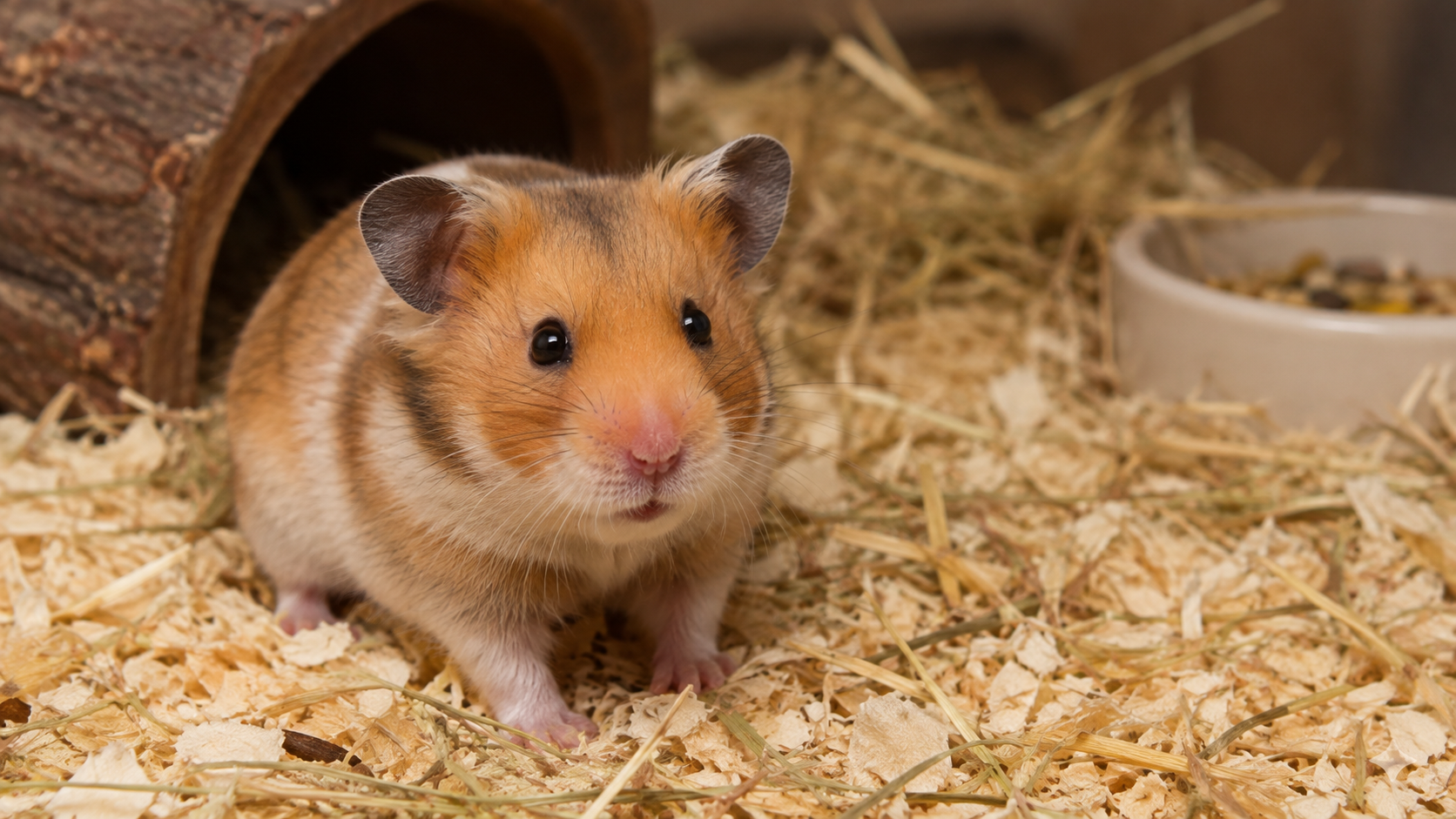
Hamsters are small, nocturnal rodents that have become popular pets due to their cute appearance, friendly nature, and relatively low maintenance care. There are 24 species of hamsters, but only a few are commonly kept as pets.
Physical Characteristics
Hamsters are small, typically between 5-7 inches (13-18 cm) in length, and weigh between 2-5 ounces (57-142 grams). They have a stocky body, short legs, and a short tail. Their fur is soft and thick, and can come in a variety of colors and patterns.
Behavior and Temperament
Hamsters are nocturnal, meaning they are most active at night, and are known for their friendly and curious nature. They are social animals and can be kept in pairs or groups, but they do require a lot of space and attention.
Diet and Nutrition
Hamsters are omnivores and their diet consists of a variety of foods including seeds, fruits, vegetables, and proteins. In the wild, they forage for food at night, and in captivity, they can be fed a commercial hamster food mix supplemented with fresh fruits and vegetables.
| Scientific Name | Common Name | Size | Lifespan |
|---|---|---|---|
| Mesocricetus auratus | Syrian Hamster | 5-7 inches (13-18 cm) | 2-3 years |
| Phodopus campbelli | Djungarian Hamster | 5-6 inches (13-15 cm) | 1.5-3 years |
| Phodopus sungorus | Roborovski Hamster | 2-3 inches (5-7 cm) | 2-3 years |
Health and Veterinary Care
Hamsters are prone to certain health issues such as respiratory problems, tumors, and wet tail. Regular veterinary check-ups and a balanced diet can help prevent these issues.
Interesting Facts
Hamsters are able to store food in their cheek pouches, which can stretch to the size of their body. They are also able to run long distances, with some species able to run up to 5 miles (8 km) in a single night.
Conclusion
Hamsters make great pets for those who are willing to provide the proper care and attention. With their friendly nature, cute appearance, and relatively low maintenance care, it’s no wonder why they have become a popular pet choice.
Q: How long do hamsters live?
A: Hamsters typically live between 1.5-3 years, depending on the species and living conditions.
Q: What do hamsters eat?
A: Hamsters are omnivores and their diet consists of a variety of foods including seeds, fruits, vegetables, and proteins.
Q: Can hamsters be kept in pairs?
A: Yes, hamsters can be kept in pairs or groups, but they do require a lot of space and attention.
Q: Why do hamsters store food in their cheek pouches?
A: Hamsters store food in their cheek pouches to transport it back to their burrows for later use.
- National Hamster Council
- American Society for the Prevention of Cruelty to Animals (ASPCA)
- Hamster Club
Please note: If you are considering getting a hamster as a pet, make sure to do plenty of research and understand the needs and responsibilities involved in caring for these animals. Consult with a veterinarian for advice on proper care and nutrition.
## Life Cycle
Hamsters have a relatively short life cycle, with an average lifespan of 2-3 years in captivity. They reach sexual maturity at around 6-8 weeks of age, and females can become pregnant again shortly after giving birth. The gestation period for hamsters is approximately 16-22 days, and litters typically consist of 2-12 young. Baby hamsters, also known as pups, are born blind and hairless, but develop quickly, and are weaned after about 3-4 weeks.
## Communication and Senses
Hamsters are skilled communicators, using a variety of methods to convey information and express themselves. They use scent markings to communicate with other hamsters, and also use vocalizations such as squeaks and chirps to convey emotions and warnings. Hamsters also have a keen sense of smell, which they use to detect food and predators. Their eyesight is not as developed, but they can detect movement and changes in light levels. Hamsters are also sensitive to touch and can detect vibrations in their environment.
## Seasonal Variation
In the wild, hamsters experience seasonal changes in temperature and daylight hours, which affect their behavior and physiology. During the winter months, hamsters may experience a period of dormancy, known as torpor, to conserve energy. In captivity, hamsters do not experience the same level of seasonal variation, but their behavior may still be influenced by changes in temperature and light levels.
## Ecological Relationships
Hamsters play an important role in their ecosystems, serving as both predators and prey. They feed on seeds, fruits, and insects, and are also preyed upon by owls, hawks, and other predators. In captivity, hamsters can be kept with other small animals, such as gerbils and mice, but it is essential to ensure compatibility and provide a suitable environment.
## Research
Hamsters have been used extensively in scientific research, particularly in the fields of biology, psychology, and medicine. They are used as models for studying human diseases, such as cancer and diabetes, and have also been used in research on behavior, learning, and memory.
## Responsible Enrichment
Providing enrichment activities for hamsters is essential to promote their physical and mental well-being. This can include providing toys, tunnels, and climbing structures, as well as rotating toys and accessories regularly to keep them interesting. Hamsters also benefit from social interaction, so providing opportunities for socialization with other hamsters or humans is essential.
## Ethical and Legal Considerations
Keeping hamsters as pets raises several ethical and legal considerations. In some countries, certain species of hamsters are protected by laws and regulations, and it is essential to ensure that you are not keeping a protected species as a pet. Additionally, hamsters have specific welfare needs that must be met, and it is essential to ensure that you are providing a suitable environment and care for your pet hamster.
Life Cycle and Development
Hamsters have a relatively short lifespan, with an average lifespan of 1.5 to 3 years in captivity. Their life cycle can be divided into several stages, including birth, weaning, adolescence, and adulthood. Baby hamsters, also known as pups, are born blind and hairless after a gestation period of approximately 16-22 days. The litter size can range from 2 to 12 pups, depending on the species. The mother hamster takes care of her pups, nursing and keeping them warm until they are weaned at around 3-4 weeks old.
After weaning, the pups enter the adolescent stage, during which they start to explore their surroundings and learn important survival skills. At around 6-8 weeks old, they reach sexual maturity and are considered adults. At this stage, they are ready to breed and start their own families.
Communication and Senses
Hamsters are skilled communicators, using a variety of methods to convey information to each other. They use vocalizations, such as squeaks and chirps, to communicate with each other, particularly during mating or when they feel threatened. They also use body language, such as posturing and facial expressions, to convey emotions and intentions.
Hamsters have a keen sense of smell, which they use to detect food, predators, and potential mates. They also have poor eyesight, but their sense of hearing is acute, allowing them to detect even the slightest sounds. In the wild, hamsters use their senses to navigate their environment, detect potential threats, and find food and shelter.
Seasonal Variation
In the wild, hamsters are adapted to survive in a variety of environments, from deserts to forests. They are able to adjust their behavior and physiology to cope with changing seasons. For example, during the winter months, hamsters may hibernate or experience a period of torpor, during which their metabolism slows down, and they conserve energy.
In captivity, hamsters do not experience the same level of seasonal variation, but they may still exhibit changes in behavior and physiology in response to changes in temperature and daylight hours. For example, some hamsters may be more active during the summer months when the temperature is warmer.
Ecological Relationships
Hamsters play an important role in their ecosystems, serving as both predators and prey. In the wild, they feed on seeds, fruits, and insects, helping to disperse seeds and regulate insect populations. They are also an important food source for predators, such as owls, hawks, and foxes.
In captivity, hamsters can be kept with other animals, such as gerbils and guinea pigs, but it is essential to ensure that the animals are compatible and have enough space to live together harmoniously.
Research and Conservation
Hamsters have been used extensively in scientific research, particularly in the fields of biology, psychology, and medicine. They are used to study behavior, physiology, and genetics, and have contributed significantly to our understanding of human diseases, such as cancer and diabetes.
In terms of conservation, many hamster species are threatened or endangered due to habitat destruction, hunting, and the pet trade. Efforts are being made to protect and conserve hamster populations, including the establishment of protected areas and breeding programs.
Responsible Enrichment and Care
Providing hamsters with a stimulating and enriching environment is essential for their physical and mental health. This can include providing a variety of toys, tunnels, and climbing structures, as well as rotating toys and accessories regularly to prevent boredom.
It is also essential to provide hamsters with a balanced and nutritious diet, including a high-quality commercial food mix supplemented with fresh fruits and vegetables. A clean and spacious cage, with adequate ventilation and hiding places, is also essential for hamster health and well-being.
Ethical and Legal Considerations
The keeping of hamsters as pets is regulated by laws and regulations, which vary depending on the country and region. It is essential to check local laws and regulations before purchasing a hamster as a pet.
In terms of ethics, it is essential to consider the welfare of the animal, ensuring that it is treated with respect and care. This includes providing a suitable environment, adequate food and water, and regular veterinary care. It is also essential to avoid supporting the pet trade, which can contribute to animal suffering and habitat destruction.