Introduction
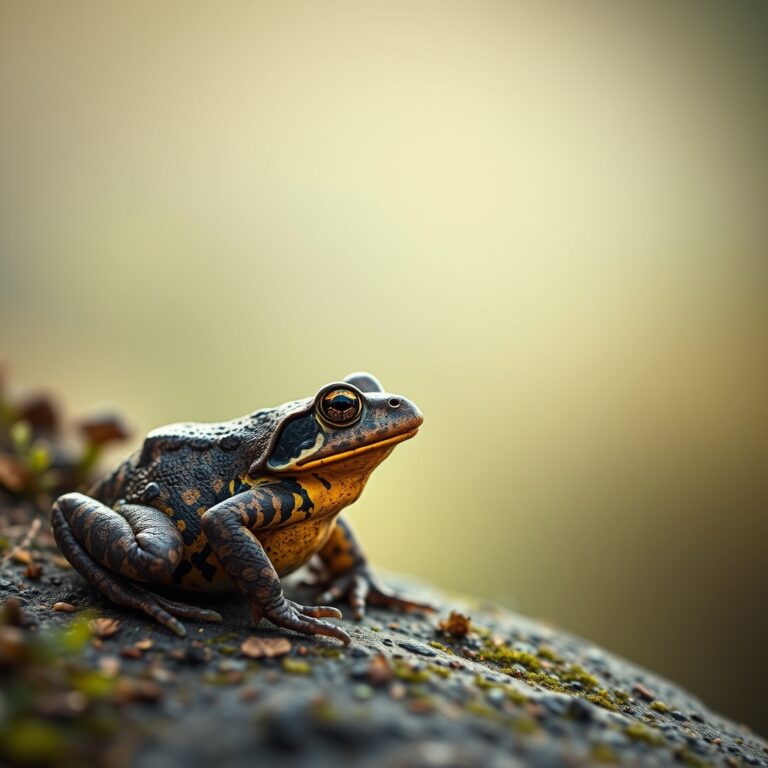
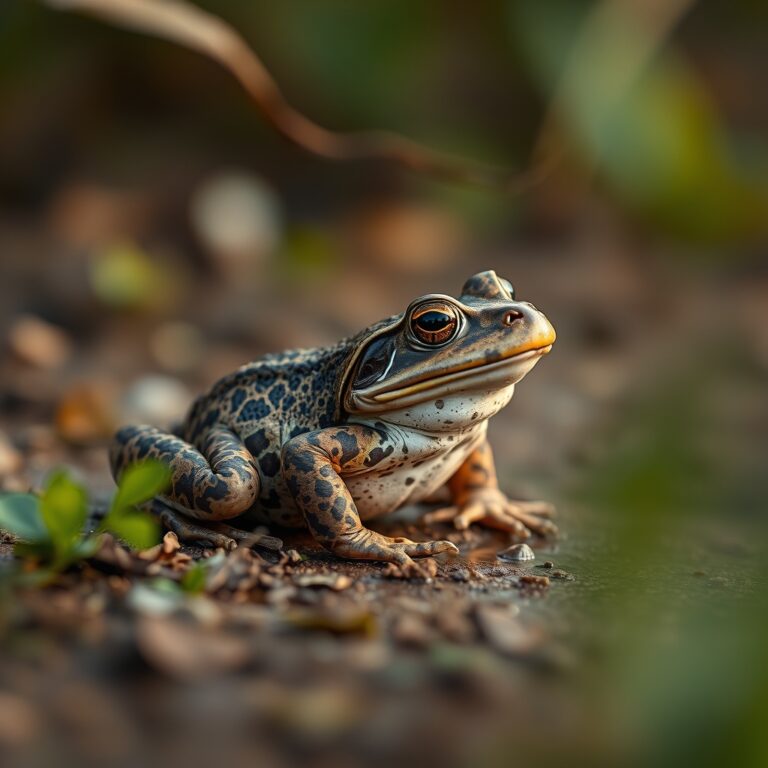
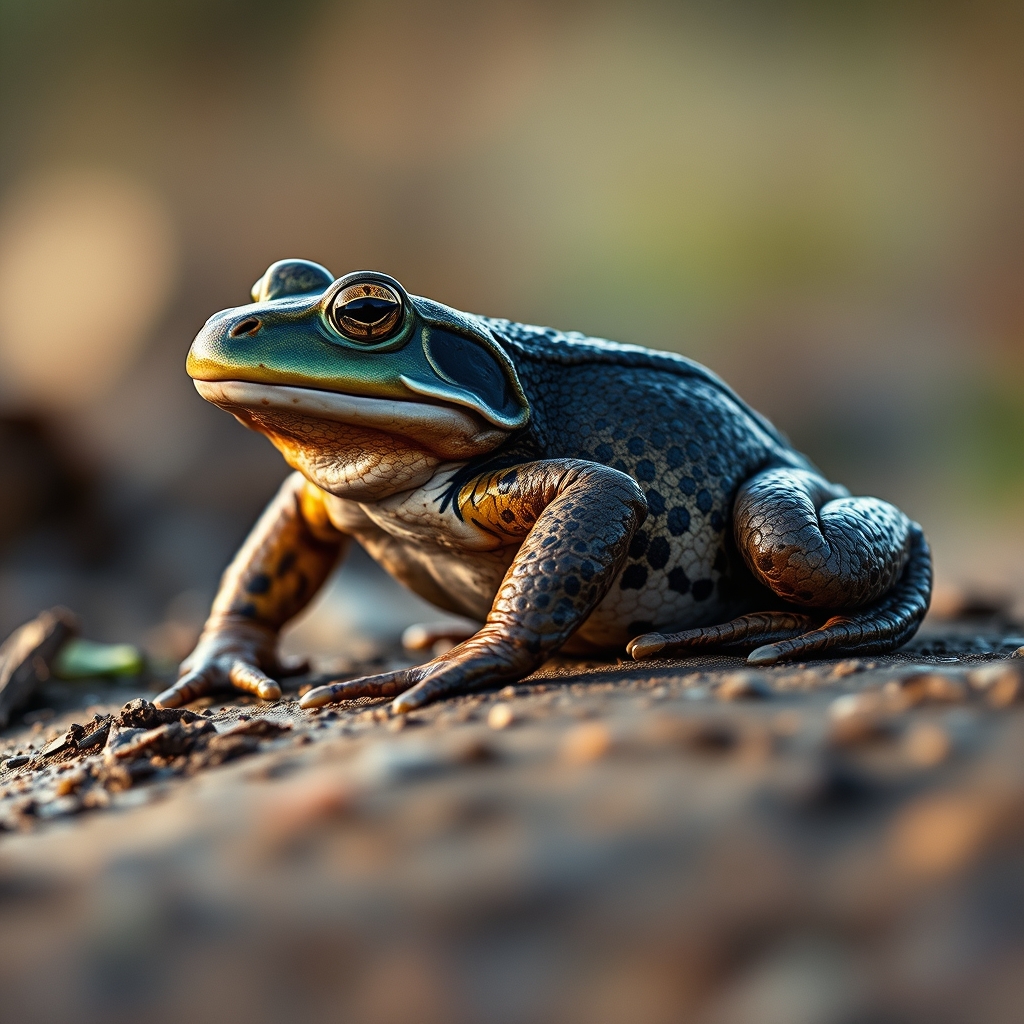
The Goliath Frog (Conraua goliath) is a species of frog found in the rainforests of West Africa. It is the largest frog species in the world, with some individuals reaching up to 12 inches in length and weighing up to 7.9 pounds.
Quick Reference Table
| Scientific Name | Conraua goliath |
|---|---|
| Family | Conrauidae |
| Order | Anura |
| Habitat | Rainforests of West Africa |
| Diet | Carnivorous |
Taxonomy and Identification
The Goliath Frog is a member of the family Conrauidae and is also known as the Giant Frog or the Goliath Bullfrog. It is a large frog with a broad, flat head and a distinctive golden-brown color with dark spots.
Natural Habitat and Distribution
The Goliath Frog is found in the rainforests of West Africa, specifically in the countries of Cameroon, Equatorial Guinea, and Gabon. It inhabits areas with slow-moving water and a humid, tropical climate.
Behaviour
The Goliath Frog is a solitary animal and is primarily nocturnal. It is a carnivorous species that feeds on a variety of prey, including insects, fish, and even small mammals. It is a powerful jumper and can leap great distances in search of food or shelter.
Diet
The Goliath Frog is a carnivorous species that feeds on a variety of prey, including insects, fish, and even small mammals. Its diet consists mainly of aquatic animals, such as fish and crustaceans, as well as terrestrial animals, such as insects and small reptiles.
Habitat
The Goliath Frog inhabits areas with slow-moving water and a humid, tropical climate. It is found in the rainforests of West Africa, specifically in the countries of Cameroon, Equatorial Guinea, and Gabon. It is a semi-aquatic species that spends most of its time in or near water.
Daily Needs
In captivity, the Goliath Frog requires a large, well-ventilated enclosure with a heat source and a UVB light. The enclosure should be maintained at a temperature of 75-85°F (24-29°C) and humidity levels of 60-80%. A shallow water dish should be provided for soaking, and a hiding place or two should be included to reduce stress.
Warning Signs
Some common health issues that can affect the Goliath Frog include metabolic bone disease, respiratory infections, and skin lesions. If you notice any of the following signs of illness, consult a veterinarian experienced in amphibian care: lethargy, loss of appetite, changes in skin or eye color, or difficulty breathing.
Responsible Care or Conservation
The Goliath Frog is a protected species, and its capture and trade are regulated by international law. If you are considering keeping a Goliath Frog as a pet, make sure to do plenty of research and understand the specialized care it requires. It is also important to support conservation efforts and protect the frog’s natural habitat.
Practical Takeaways
- The Goliath Frog is a large, carnivorous species that requires a lot of space and specialized care.
- It is a protected species, and its capture and trade are regulated by international law.
- Supporting conservation efforts and protecting the frog’s natural habitat is crucial to its survival.
What is the average lifespan of a Goliath Frog?
The average lifespan of a Goliath Frog is 10-15 years in captivity.
How often should I feed my Goliath Frog?
Feed your Goliath Frog 2-3 times a week, depending on its age and size.
Can I handle my Goliath Frog?
No, it is not recommended to handle your Goliath Frog, as its skin can be sensitive and it may carry diseases.
How can I support conservation efforts for the Goliath Frog?
Support organizations that work to protect the Goliath Frog’s natural habitat and reduce the demand for wild-caught frogs.
Sources
- International Union for Conservation of Nature (IUCN). (2022). Conraua goliath.
- National Geographic. (n.d.). Goliath Frog.
- Smithsonian’s National Zoo & Conservation Biology Institute. (n.d.). Goliath Frog.
Remember to consult a veterinarian experienced in amphibian care if you have any concerns about your Goliath Frog’s health or well-being.
### Life Cycle
The Goliath Frog has a complex life cycle that involves both aquatic and terrestrial environments. The female lays her eggs in a protected area, such as a burrow or under a rock, and the eggs hatch into tadpoles after about two weeks. The tadpoles then go through a series of molts as they grow and develop, eventually undergoing metamorphosis into young frogs. This process can take several months, and the young frogs will continue to grow and mature over the next several years.
### Communication and Senses
The Goliath Frog has a unique way of communicating with other frogs through a series of deep, low-frequency calls. These calls can be heard for long distances and are used for mating and territorial purposes. The frog also has a keen sense of hearing and can detect vibrations in the water, which helps it to locate prey. Its eyes are also highly sensitive and can detect even slight movements, making it an effective predator.
### Seasonal Variation
The Goliath Frog is adapted to the seasonal changes in its rainforest habitat. During the dry season, the frog will often burrow into the mud and enter a state of dormancy, known as estivation, to conserve energy and water. When the wet season arrives, the frog will emerge and begin to feed and breed. This adaptation allows the frog to survive in an environment with limited resources.
### Ecological Relationships
The Goliath Frog plays a crucial role in its ecosystem as both a predator and prey. It feeds on a variety of invertebrates, such as insects and crustaceans, which helps to regulate their populations. The frog is also an important food source for larger animals, such as birds, snakes, and other predators. Its burrowing activities also help to aerate the soil and create habitat for other animals.
### Research
The Goliath Frog has been the subject of several research studies, particularly in the areas of ecology and conservation. Scientists have been studying the frog’s habitat and behavior to better understand its role in the ecosystem and how to protect it from threats such as habitat loss and hunting. The frog’s unique characteristics, such as its large size and powerful jumping ability, have also made it a subject of interest in the fields of biomechanics and physiology.
### Responsible Enrichment
In captivity, the Goliath Frog requires a large, well-ventilated enclosure with a heat source and a shallow pool of water. The enclosure should be designed to mimic the frog’s natural habitat, with plants, rocks, and a substrate that can be burrowed into. The frog should be provided with a varied diet that includes live insects and other invertebrates. Handling should be kept to a minimum, as the frog’s skin is sensitive and can be easily damaged.
### Ethical and Legal Considerations
The Goliath Frog is listed as an endangered species by the IUCN Red List, and its capture and trade are regulated by international law. In some countries, the frog is also protected by national laws and regulations. It is essential to ensure that any capture, trade, or keeping of the Goliath Frog is done in accordance with local and international laws and regulations. Additionally, the frog’s welfare should be a top priority, and it should be treated with respect and care.
Life Cycle and Development
The Goliath Frog’s life cycle is a complex and fascinating process. The species undergoes a series of developmental stages, from egg to tadpole to adult frog. The female Goliath Frog lays her eggs in a protected area, such as a burrow or under a rock, and the male fertilizes them externally. The eggs hatch into tadpoles after several days, and the tadpoles go through a series of molts as they grow and develop.
During this stage, the tadpoles are vulnerable to predators and rely on their camouflage and agility to survive. As they grow, they begin to develop their limbs and lose their gills, eventually metamorphosing into young frogs. This process can take several months, and the young frogs will continue to grow and mature over the next several years.
Communication and Senses
Goliath Frogs have a unique way of communicating with each other through a series of deep, resonant croaks. These vocalizations are used for mating, territorial defense, and warning other frogs of potential threats. The frogs also use body language to communicate, such as posturing and visual displays.
In addition to their auditory and visual senses, Goliath Frogs have a highly developed sense of smell and taste. They use their sensitive tongues to capture prey and detect potential threats, and their keen sense of smell helps them to detect food and navigate their environment.
Seasonal Variation and Ecological Relationships
The Goliath Frog’s behavior and ecology are influenced by the seasonal changes in their rainforest habitat. During the wet season, the frogs are more active and feed on the abundant insects and small animals that are available. During the dry season, the frogs become less active and rely on stored fat reserves for energy.
The Goliath Frog plays a crucial role in its ecosystem, serving as both a predator and prey species. They feed on insects and small animals, helping to regulate their populations, and are in turn preyed upon by larger animals such as snakes, birds, and other predators.
Research and Conservation Efforts
The Goliath Frog is a species of significant conservation concern, due to habitat loss, hunting, and the introduction of invasive species. Researchers are working to study the frog’s behavior, ecology, and population dynamics in order to develop effective conservation strategies.
One area of research focus is the development of captive breeding programs, which would help to increase the population and reduce the demand for wild-caught frogs. Additionally, conservation efforts are underway to protect the frog’s habitat and reduce the impact of human activities such as logging and mining.
Responsible Enrichment and Ethical Considerations
For those who are interested in keeping Goliath Frogs as pets, it is essential to consider the ethical implications and ensure that the frogs are obtained from reputable sources. The frogs require specialized care and housing, and their large size and specific needs make them a challenging species to keep in captivity.
It is also important to consider the impact of the pet trade on wild populations and to support conservation efforts that protect the frog’s habitat and reduce the demand for wild-caught frogs. By making informed choices and supporting responsible and sustainable practices, individuals can help to ensure the long-term survival of this incredible species.