Classification and Natural History
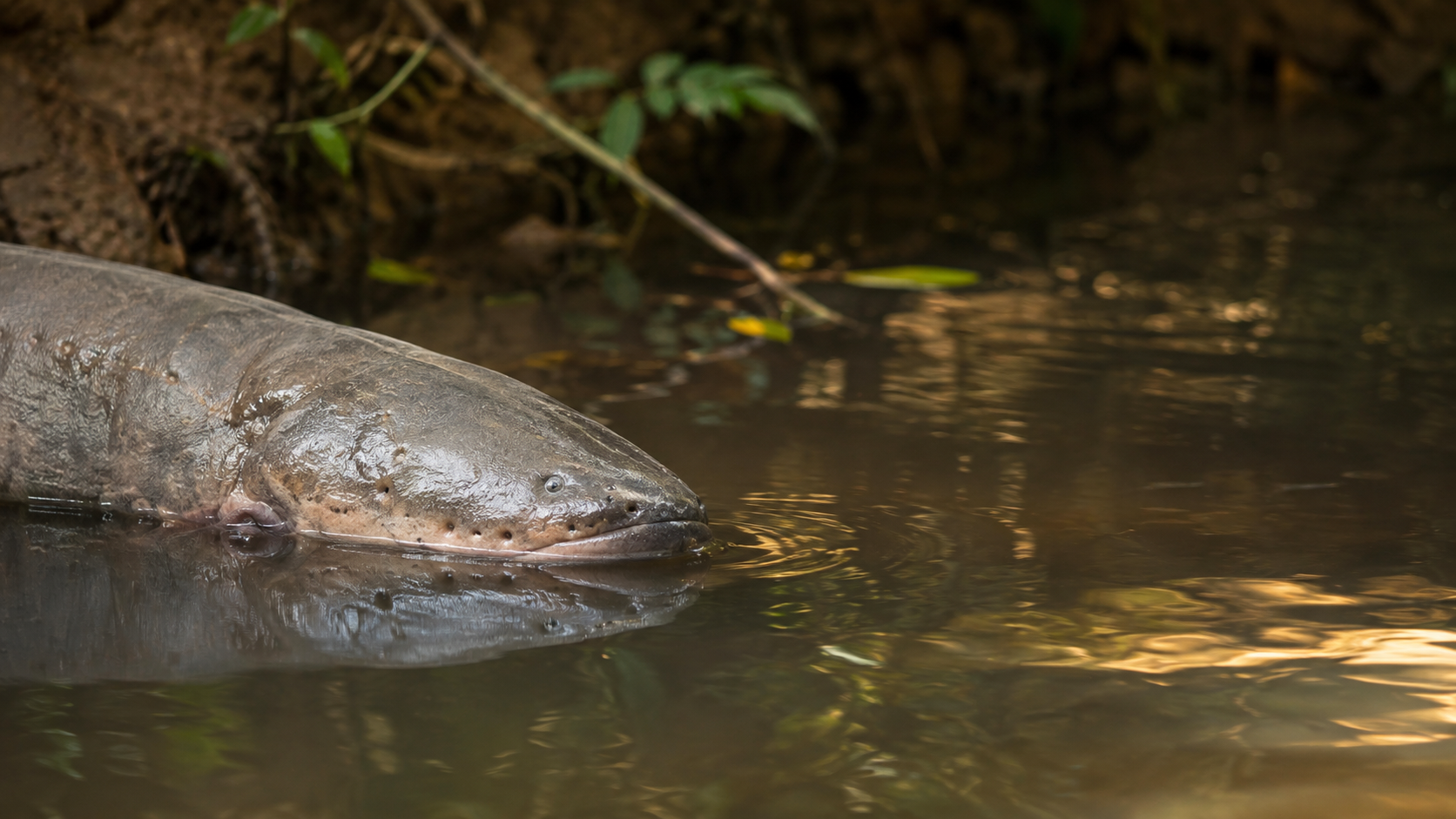
The Electric Eel (Electrophorus electricus) is a species of fish that belongs to the family Gymnotidae. It is a freshwater fish that is native to South America, specifically in the Amazon and Orinoco river basins.
Electric Eels are not actually eels, but rather a type of knifefish that has evolved to produce electricity. They have a long, slender body that can grow up to 2 meters in length and weigh up to 20 kilograms.
Electric Organs
Electric Eels have three pairs of electric organs that run along their body. These organs are made up of specialized cells called electrocytes, which produce an electric discharge. The electric organs are used for self-defense, communication, and navigation.
Behavior and Habitat
Electric Eels are found in freshwater habitats, including rivers, streams, and lakes. They are nocturnal animals and spend most of their time hiding in underwater burrows or beneath rocks.
They are carnivores and feed on small fish, crustaceans, and insects. Electric Eels are also known to be solitary animals and only come together during mating season.
Conservation Status
Electric Eels are not currently considered to be a threatened species, but their populations are declining due to habitat loss and overfishing.
Interesting Facts
| Fact | Description |
|---|---|
| Electricity Generation | Electric Eels can generate up to 600 volts of electricity. |
| Speed | Electric Eels can swim at speeds of up to 15 kilometers per hour. |
| Longevity | Electric Eels can live up to 20 years in the wild. |
FAQ
Q: Are Electric Eels safe to handle?
A: No, Electric Eels are not safe to handle. They can generate powerful electric shocks that can cause injury or death.
Q: Can Electric Eels be kept as pets?
A: No, Electric Eels are not suitable for keeping as pets. They require specialized care and housing that is difficult to replicate in a home environment.
Q: What is the average lifespan of an Electric Eel?
A: The average lifespan of an Electric Eel is 10-15 years in the wild, but they can live up to 20 years in captivity.
Q: Are Electric Eels endangered?
A: No, Electric Eels are not currently considered to be an endangered species, but their populations are declining due to habitat loss and overfishing.
Sources
- National Geographic. (2022). Electric Eel.
- Smithsonian Institution. (2022). Electric Eel.
- FishBase. (2022). Electrophorus electricus.
Please note that Electric Eels are wild animals and should be treated with respect and caution. They are not suitable for keeping as pets and should only be handled by trained professionals.
Life Cycle and Development
Electric Eels have a unique life cycle that is not yet fully understood. They are thought to spawn in the wet season, with males building nests out of plant material and defending them from other males. Females lay their eggs in the nest, which can number up to 3,000, and the males fertilize them. The eggs hatch after about 24 hours, and the larvae drift in the water column, feeding on small invertebrates and plankton.
As they grow, the larvae begin to develop their electric organs, which start to produce a weak electric discharge. This discharge is thought to help the young eels navigate and communicate with each other. After about 2-3 months, the larvae settle on the bottom of the river or lake and begin to develop their adult form.
Electric Eels can live for up to 20 years in the wild, although the average lifespan is thought to be around 10-15 years. In captivity, they can live for up to 25 years with proper care and management.
Communication and Senses
Electric Eels use a variety of methods to communicate with each other, including their electric organs, body language, and chemical signals. They are able to produce a range of electric discharges, from weak pulses to strong shocks, which they use to convey different messages.
For example, a weak pulse may be used to signal aggression or courtship, while a strong shock may be used to deter predators or competitors. Electric Eels are also able to detect the electric discharges of other eels, which helps them to navigate and find potential mates.
In addition to their electric organs, Electric Eels have a range of other senses that help them to navigate their environment. They have poor eyesight, but are highly sensitive to touch and vibrations in the water. They are also able to detect chemical cues, such as the scent of food or predators.
Seasonal Variation
Electric Eels are adapted to the seasonal changes in their environment, particularly the fluctuations in water level and temperature. During the wet season, they are able to move into flooded areas and feed on the abundant food sources. As the water levels drop during the dry season, they retreat to deeper areas of the river or lake, where they can find refuge and food.
Electric Eels are also able to adjust their behavior to suit the changing water temperature. In warmer water, they are more active and feed more frequently, while in cooler water, they are less active and conserve energy.
Ecological Relationships
Electric Eels play an important role in their ecosystem, serving as both predators and prey. They feed on small fish, crustaceans, and insects, which helps to regulate the populations of these species. In turn, Electric Eels are preyed upon by larger fish, caimans, and other predators.
Electric Eels also have a symbiotic relationship with certain species of catfish, which clean parasites from their bodies. This relationship is mutually beneficial, as the catfish receive food and the Electric Eels receive cleaning services.
Research and Conservation Efforts
Electric Eels are an important species for scientific research, particularly in the fields of neurobiology and ecology. Scientists are studying their electric organs and nervous system to gain insights into the evolution of complex behaviors and the development of new technologies.
Conservation efforts are also underway to protect Electric Eels and their habitats. The species is listed on the IUCN Red List, and conservation organizations are working to protect their habitats and reduce the impact of human activities such as deforestation and pollution.
Responsible Enrichment and Captivity
Electric Eels are popular aquarium fish, but they require specialized care and housing. In captivity, they need a large tank with plenty of hiding places and a sandy substrate. They also require a varied diet and regular water changes to maintain water quality.
It is also important to consider the ethics of keeping Electric Eels in captivity. They are wild animals that have complex social and spatial needs, and may not thrive in a home aquarium. Additionally, the capture of wild Electric Eels for the pet trade can harm wild populations and disrupt the ecosystem.
Ethical and Legal Considerations
Electric Eels are protected by laws and regulations in many countries, including the Convention on International Trade in Endangered Species of Wild Fauna and Flora (CITES). The trade in Electric Eels is regulated, and permits are required to capture and export them.
It is also important to consider the welfare of Electric Eels in captivity, and to ensure that they are treated with respect and care. This includes providing them with suitable housing and care, and avoiding practices such as electric shocking or handling that can cause them stress and harm.
Adaptations for Survival
Electric Eels have evolved several adaptations that enable them to thrive in their aquatic environment. One of the most notable adaptations is their ability to produce electricity, which serves as a defense mechanism against predators. The electric discharge can stun or deter predators, giving the eel time to escape. Additionally, the electric organs can also be used to communicate with other eels, particularly during mating season.
Another adaptation that Electric Eels possess is their slender, elongated body shape. This allows them to navigate through dense vegetation and narrow crevices with ease, making it easier for them to find food and shelter. Their long, pointed snout also enables them to probe into dark crevices and underwater burrows in search of prey.
Electric Eels also have a unique way of moving through the water. They use a sinuous motion, wiggling their bodies back and forth to propel themselves forward. This movement is made possible by the presence of a large number of muscles along their body, which allows for precise control over their movements.
Diet and Foraging
Electric Eels are carnivores and feed on a variety of prey, including small fish, crustaceans, and insects. They are opportunistic feeders, using their electric organs to stun their prey before devouring it. They also have a keen sense of smell, which helps them to locate food in the murky waters of their habitat.
In the wild, Electric Eels play an important role in maintaining the balance of their ecosystem. They prey on small fish and invertebrates, helping to regulate their populations and maintain the diversity of their ecosystem. In turn, Electric Eels are preyed upon by larger predators, such as caimans and anacondas.
Reproduction and Mating
Electric Eels are solitary animals and only come together during mating season. During this time, males will engage in a complex courtship ritual, using their electric organs to signal to females that they are ready to mate. Females will then choose a mate based on the strength and duration of the male’s electric discharge.
After mating, females will lay their eggs in a protected area, such as a burrow or beneath a rock. The eggs will hatch after several days, and the larvae will drift in the water column before settling on the bottom. Electric Eels can live for up to 20 years in the wild, although their average lifespan is around 10-15 years.
Cultural Significance
Electric Eels have been a source of fascination for humans for centuries. In some cultures, they are considered a delicacy and are consumed as food. In other cultures, they are revered for their unique abilities and are considered a symbol of power and strength.
In modern times, Electric Eels have become an important part of scientific research, particularly in the fields of neuroscience and biophysics. Scientists are studying the eel’s electric organs to gain a better understanding of how they produce electricity, with the hope of developing new technologies that can harness this energy.
Overall, Electric Eels are fascinating creatures that continue to capture the imagination of people around the world. Their unique adaptations and abilities make them an important part of their ecosystem, and their cultural significance is a testament to their enduring appeal.