Introduction
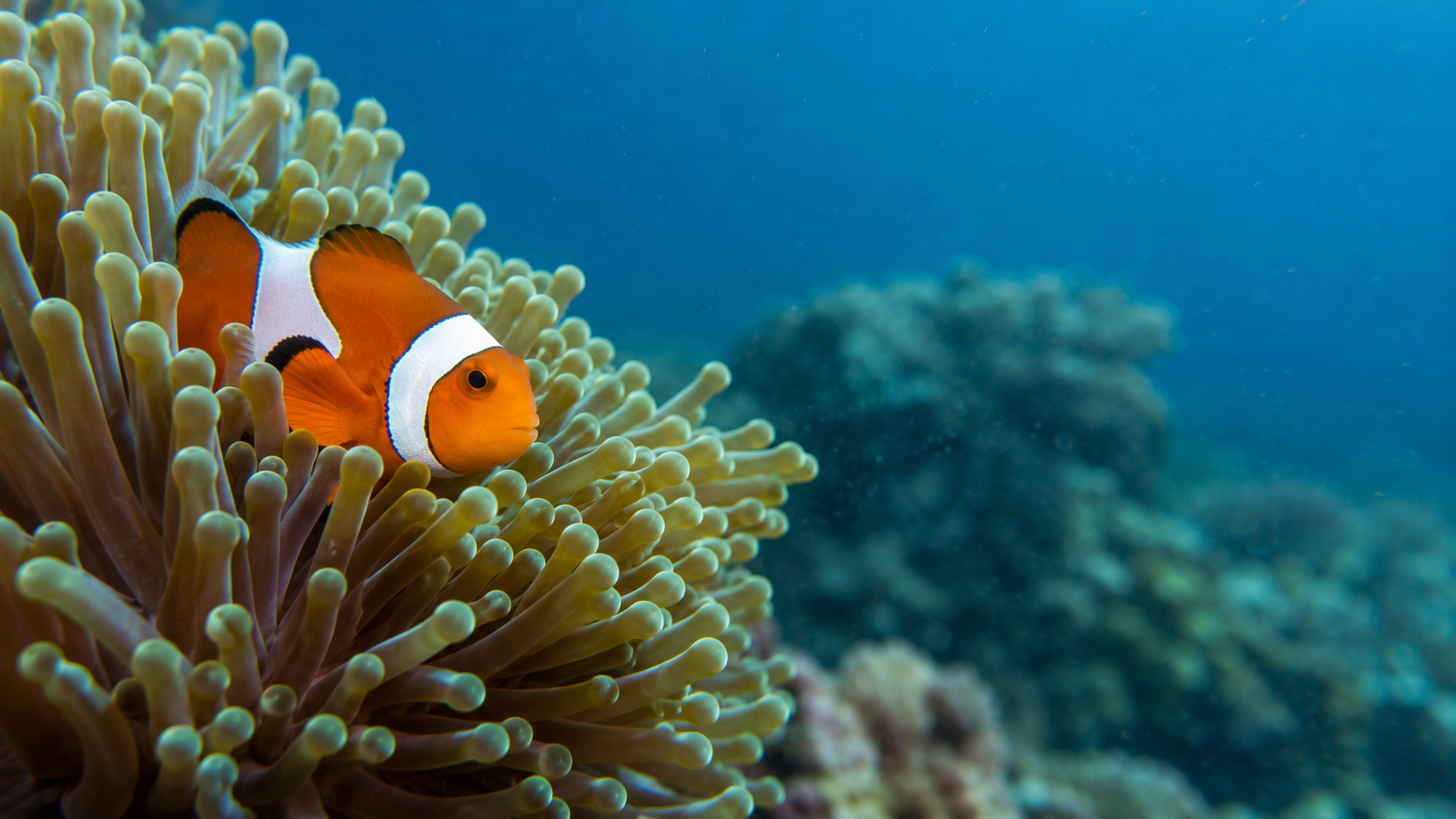
Clownfish, also known as anemone fish, are one of the most recognizable and beloved marine fish in the world. With their bright orange and white stripes, they have become a staple of aquariums and a favorite among marine enthusiasts. But there’s more to these little fish than just their good looks. In this guide, we’ll delve into the world of clownfish, exploring their taxonomy, behavior, habitat, diet, and more.
Quick Reference Table
| Scientific Name | Amphiprion ocellaris |
|---|---|
| Family | Pomacentridae |
| Order | Perciformes |
| Size | Up to 5 inches (13 cm) |
| Lifespan | Up to 10 years in captivity |
Taxonomy and Identification
Clownfish belong to the family Pomacentridae and are part of the order Perciformes. There are 30 species of clownfish, but the most common is the orange clownfish (Amphiprion ocellaris). Clownfish are easily recognizable due to their bright orange and white stripes, which can vary in pattern depending on the species. They have a rounded body, long dorsal fin, and a distinctive anemone-like pattern on their snout.
Natural Habitat and Distribution
Clownfish are native to the warm, shallow waters of the Pacific and Indian Oceans, typically found in coral reefs and rocky crevices. They are most commonly associated with the tentacles of the sea anemone, which would be deadly to most other fish due to the anemone’s stinging cells. But clownfish have a special mucus on their skin that protects them from the anemone’s sting, and they even use the anemone as a safe haven from predators.
Behavior
Clownfish are social creatures that live in small groups, usually consisting of a dominant male and female, and several smaller males. They are known for their bold and curious nature, often swimming out of their anemone to explore their surroundings. Clownfish are also monogamous, with pairs forming during breeding season and remaining together for several years.
Habitat
Clownfish live in shallow, tropical waters with temperatures ranging from 72°F to 82°F (22°C to 28°C). They prefer areas with plenty of hiding places, such as coral reefs, rocky crevices, and sea anemones. In the wild, clownfish can be found in waters as shallow as 10 feet (3 meters) and as deep as 100 feet (30 meters).
Diet
Clownfish are omnivores, feeding on a variety of small invertebrates, such as brine shrimp, plankton, and algae. In the wild, they also feed on small crustaceans, like copepods and amphipods. In captivity, clownfish can be fed a diet of commercial flake food, as well as live or frozen foods like brine shrimp and mysis shrimp.
Daily Needs
Clownfish require a well-maintained aquarium with plenty of hiding places, such as live rock and coral. They also need a temperature range of 72°F to 82°F (22°C to 28°C) and a pH range of 8.1 to 8.4. Clownfish are also sensitive to water quality and require regular water changes to keep their environment clean and healthy.
Warning Signs
Clownfish can be prone to certain health issues, such as fin nipping, bacterial infections, and parasites. Fin nipping can be caused by stress, poor water quality, or aggression from other fish. Bacterial infections can be caused by poor water quality, while parasites can be introduced through contaminated food or water. Regular monitoring of water quality and the fish’s behavior can help prevent these issues.
Responsible Care or Conservation
Clownfish are popular aquarium fish, but their capture and trade can have negative impacts on wild populations. Many clownfish are captured using cyanide, which can damage the fish’s nervous system and lead to death. Responsible aquarium owners can help reduce the demand for wild-caught clownfish by choosing captive-bred individuals. Additionally, supporting conservation efforts and protecting coral reefs can help preserve the natural habitat of clownfish.
Practical Takeaways
- Provide a well-maintained aquarium with plenty of hiding places and a suitable temperature and pH range.
- Feed a varied diet of commercial flake food, live or frozen foods, and algae.
- Monitor water quality and the fish’s behavior regularly to prevent health issues.
- Choose captive-bred clownfish to reduce the demand for wild-caught individuals.
What is the average lifespan of a clownfish?
Up to 10 years in captivity.
How many species of clownfish are there?
30 species, but the most common is the orange clownfish (Amphiprion ocellaris).
What is the ideal water temperature for clownfish?
72°F to 82°F (22°C to 28°C).
Can clownfish be kept with other fish?
Yes, but they are territorial and may fight with other fish, especially those that are similar in size or shape.
How often should I feed my clownfish?
2-3 times a day, only as much as they can consume within a few minutes.
- National Oceanic and Atmospheric Administration (NOAA). (n.d.). Clownfish. Retrieved from https://www.noaa.gov/topic-center/clownfish
- World Wildlife Fund (WWF). (n.d.). Clownfish. Retrieved from https://www.worldwildlife.org/species/clownfish
- American Society for the Prevention of Cruelty to Animals (ASPCA). (n.d.). Clownfish. Retrieved from https://www.aspca.org/pet-care/fish-care/clownfish
Remember to consult with a qualified veterinarian before making any decisions about the care or health of your clownfish.
Life Cycle and Development
Clownfish are sequential hermaphrodites, meaning they start their lives as males and can switch sex to become females. This unique reproductive strategy is known as protandrous hermaphroditism. In the wild, clownfish typically spawn in the evening, with the male performing a complex courtship ritual to attract a female. The female lays her eggs, which the male then fertilizes and cares for until they hatch.
After hatching, the larvae drift in the water column for about two weeks before settling on a suitable substrate, such as a coral reef or rocky crevice. During this period, they undergo a series of physical transformations, including the development of their distinctive stripes and fins. As they grow, they begin to establish dominance hierarchies, with larger individuals becoming dominant over smaller ones.
Communication and Senses
Clownfish communicate with each other through a variety of visual and auditory cues. They use body language to convey aggression, courtship, or submission, and also produce a range of sounds, including clicks, chirps, and whistles. These vocalizations are thought to play a crucial role in maintaining social bonds and warning other clownfish of potential threats.
Clownfish also possess a keen sense of smell, which they use to detect food and navigate their surroundings. Their vision is also highly developed, with a wide field of view and the ability to detect polarized light, which helps them navigate underwater. They are also sensitive to vibrations in the water, which allows them to detect the presence of predators or prey.
Seasonal Variation and Ecological Relationships
In the wild, clownfish are subject to a range of seasonal changes that affect their behavior and ecology. For example, during the summer months, water temperatures and food availability increase, leading to a surge in clownfish reproduction. In contrast, during the winter months, food is scarce, and clownfish must rely on stored energy reserves to survive.
Clownfish also play a crucial role in maintaining the balance of their ecosystems. As both predators and prey, they help to regulate the populations of other species, such as algae, invertebrates, and smaller fish. In turn, clownfish are preyed upon by larger fish, sharks, and other predators, highlighting the complex web of relationships within coral reef ecosystems.
Research and Conservation Efforts
Clownfish have been the subject of extensive research, particularly in the fields of ecology, behavior, and conservation. Scientists have studied their social behavior, mating habits, and habitat requirements, providing valuable insights into the management of coral reef ecosystems.
Conservation efforts are also underway to protect clownfish and their habitats. The orange clownfish, in particular, is listed as vulnerable on the IUCN Red List, due to habitat loss, overfishing, and the impacts of climate change. Marine protected areas, sustainable fishing practices, and education programs are all being implemented to help conserve clownfish populations and the ecosystems they inhabit.
Responsible Enrichment and Ethical Considerations
As popular aquarium fish, clownfish are often kept in captivity for human entertainment. However, this can raise ethical concerns, particularly if the fish are not provided with suitable care and housing. Responsible aquarium owners must ensure that their clownfish are kept in a suitable environment, with adequate space, water quality, and social interaction.
In addition, the capture of wild clownfish for the aquarium trade can have devastating impacts on wild populations. As a result, many experts recommend that aquarium owners opt for captive-bred clownfish, which can help reduce the demand for wild-caught individuals and support sustainable aquaculture practices.
Adaptation to Aquarium Life
Clownfish have become incredibly popular aquarium fish, and their adaptability to captivity has contributed to their widespread popularity. However, it’s essential to understand the specific needs of these fish to ensure they thrive in an aquarium environment. One crucial aspect is providing a suitable tank size, as clownfish can grow up to 5 inches in length and require ample swimming space. A minimum tank size of 20 gallons is recommended, with plenty of hiding places and visual barriers to reduce stress.
In addition to tank size, water quality is vital for the health and well-being of clownfish. They are sensitive to changes in water chemistry and require regular water changes to maintain optimal conditions. A stable water temperature between 72°F and 82°F (22°C and 28°C) and a pH range of 8.1 to 8.4 are ideal for these fish.
Dietary Needs and Feeding Strategies
Clownfish are omnivores and require a varied diet that includes a mix of meaty and vegetable-based foods. In the wild, they feed on small crustaceans, plankton, and algae. In an aquarium, they can be fed a diet of high-quality commercial pellets or flakes, supplemented with live or frozen foods such as brine shrimp, mysis shrimp, or spirulina. It’s essential to provide a varied diet to ensure they receive a broad range of nutrients.
Feeding strategies also play a crucial role in maintaining the health of clownfish. Overfeeding can lead to water quality issues and stress, while underfeeding can result in malnutrition. A good rule of thumb is to feed them 2-3 times a day, only as much as they can consume within a few minutes.
Health Considerations and Common Diseases
Clownfish are generally hardy fish, but they can be susceptible to certain diseases and health issues. One common problem is marine ich, a parasitic infection that can cause white spots to appear on their skin. Other diseases include velvet disease, a parasitic infection that can cause a yellowish dusting on their skin, and bacterial infections, which can cause a range of symptoms including lethargy, loss of appetite, and labored breathing.
Regular water changes, a balanced diet, and a stress-free environment can help prevent many of these health issues. However, it’s essential to be aware of the signs of disease and take prompt action if you notice any unusual behavior or symptoms.
Compatibility with Other Fish and Invertebrates
Clownfish can be kept with other fish and invertebrates, but it’s essential to choose compatible species to avoid stress and aggression. They are generally peaceful and can be kept with other small, peaceful fish such as damselfish, chromis, and wrasses. However, they should not be kept with aggressive or fin-nipping fish, as they can be stressed and harassed.
In terms of invertebrates, clownfish can be kept with many species of shrimp, snails, and corals. However, they should not be kept with anemones, as they have a symbiotic relationship with these animals in the wild and may become stressed if they are not provided with an anemone host.
Breeding and Propagation
Clownfish are sequential hermaphrodites, meaning they can change sex from male to female. In the wild, they form long-term monogamous relationships, with the male performing complex courtship rituals to attract a female. In an aquarium, breeding clownfish can be challenging, but it’s possible with the right conditions and equipment.
To breed clownfish, you’ll need a separate breeding tank with a sandy substrate, plenty of hiding places, and a temperature range of 72°F to 82°F (22°C to 28°C). The male will perform his courtship rituals, and the female will lay her eggs on a suitable surface. The eggs will hatch after 7-10 days, and the larvae will drift in the water column before settling on a substrate.