Natural History
The Africanized Honey Bee (AHB) is a hybrid bee species that originated from the cross between the European Honey Bee (Apis mellifera) and the African Honey Bee (Apis mellifera scutellata). This hybridization occurred in Brazil in the 1950s, when a Brazilian scientist, Warwick E. Kerr, attempted to create a bee that would thrive in the tropical climate of South America.
The AHB is known for its aggressive behavior, which is a result of its genetic makeup. They are more defensive and prone to attacking in large numbers when threatened, compared to the European Honey Bee. This aggressive behavior has led to concerns about public safety and the impact on the environment.
Physical Characteristics
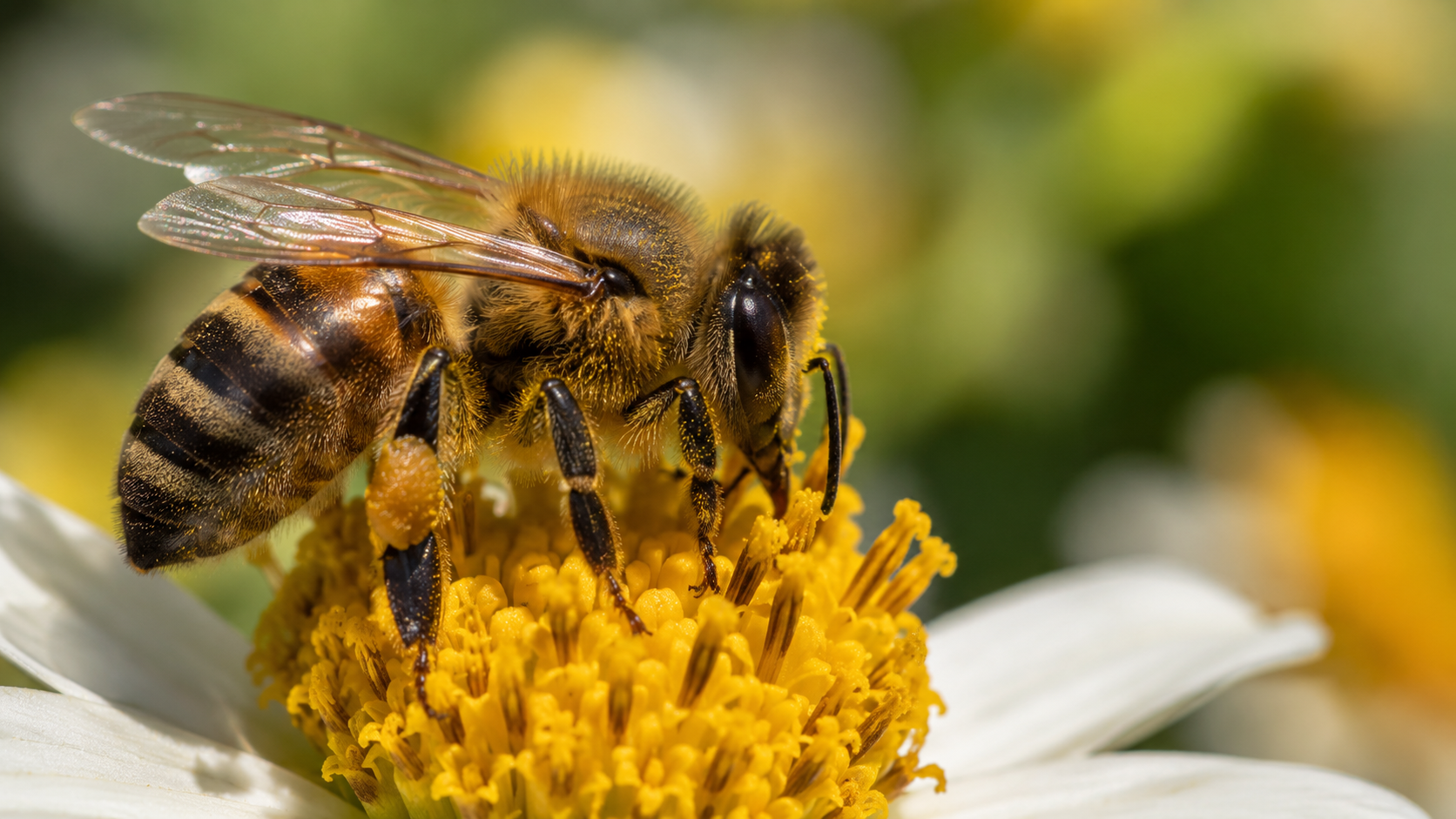
The AHB is similar in appearance to the European Honey Bee, with a few distinct differences. They are slightly smaller, with a more rounded abdomen and a darker coloration. The AHB also has a distinctive white or yellowish stripe on its thorax.
Habitat and Distribution
The AHB is found in the tropical and subtropical regions of Central and South America, as well as in the southern United States. They are highly adaptable and can thrive in a variety of habitats, including forests, grasslands, and urban areas.
Behavior and Social Structure
The AHB is a social bee that lives in colonies with a single queen bee. The colony is organized into a strict caste system, with different bees performing different roles. The AHB is known for its highly developed communication system, which involves complex dances and pheromones.
Threats and Conservation Status
The AHB is not considered to be a threatened species, but its aggressive behavior has led to concerns about public safety and the impact on the environment. The AHB has also been implicated in the decline of native bee populations and the spread of diseases.
| Scientific Name | Apis mellifera scutellata |
|---|---|
| Origin | Brazil |
| Hybridization | European Honey Bee x African Honey Bee |
| Aggressive Behavior | Highly defensive and prone to attacking in large numbers |
| Habitat | Tropical and subtropical regions of Central and South America, southern United States |
| Colony Structure | Single queen bee, strict caste system |
Public Safety and Precautions
Due to the AHB’s aggressive behavior, it is essential to exercise caution when approaching their colonies. If you suspect an AHB infestation, it is recommended to contact a professional beekeeper or pest control service.
Responsible Observation and Conservation
While the AHB is not considered to be a threatened species, its aggressive behavior has led to concerns about public safety and the impact on the environment. It is essential to observe these bees from a safe distance and avoid disturbing their colonies.
What is the Africanized Honey Bee?
The Africanized Honey Bee is a hybrid bee species that originated from the cross between the European Honey Bee and the African Honey Bee.
Why is the Africanized Honey Bee aggressive?
The AHB is aggressive due to its genetic makeup, which is a result of its hybridization.
What are the threats to the Africanized Honey Bee?
The AHB is not considered to be a threatened species, but its aggressive behavior has led to concerns about public safety and the impact on the environment.
How can I safely observe the Africanized Honey Bee?
It is essential to observe these bees from a safe distance and avoid disturbing their colonies.
- National Geographic: Africanized Honey Bee
- Smithsonian Institution: Africanized Honey Bee
- United States Department of Agriculture: Africanized Honey Bee
Important Notice: If you suspect an AHB infestation or have concerns about public safety, please contact a professional beekeeper or pest control service. Never attempt to handle or approach an AHB colony without proper training and equipment.
Life Cycle and Development
The life cycle of the Africanized Honey Bee is similar to that of the European Honey Bee, with a few notable differences. The AHB’s life cycle is divided into three distinct stages: egg, larva, and adult. The queen bee lays eggs in the honeycomb cells, which hatch into larvae after 3-4 days. The larvae are fed royal jelly and bee bread, a mixture of pollen and nectar, by worker bees. After 5-6 days, the larvae spin a cocoon and undergo metamorphosis, emerging as adult bees after 7-10 days.
The AHB’s life cycle is influenced by the availability of food and the climate. In tropical regions, the AHB can produce multiple broods per year, resulting in a rapid population growth. This rapid growth can lead to the formation of new colonies, which can spread the AHB’s range and increase its impact on the environment.
Communication and Senses
Africanized Honey Bees communicate primarily through chemical signals, known as pheromones, and body language. They use pheromones to alert other bees to potential threats, mark food sources, and coordinate social behavior. The AHB’s sense of smell is highly developed, allowing them to detect pheromones and other chemical cues.
The AHB’s visual system is also highly developed, with compound eyes that detect movement and changes in light intensity. They use their vision to navigate and locate food sources. The AHB’s sense of touch is also important, as they use their antennae to detect vibrations and changes in air pressure.
Seasonal Variation and Ecological Relationships
The AHB’s behavior and ecology vary depending on the season. In tropical regions, the AHB is active year-round, with a peak in activity during the wet season. During this time, the AHB focuses on foraging and colony growth. In areas with a dry season, the AHB may enter a state of dormancy, reducing its activity and conserving energy.
The AHB has a complex relationship with its ecosystem. As a pollinator, the AHB plays a crucial role in maintaining the health of plant species. However, the AHB’s aggressive behavior and rapid population growth can also have negative impacts on native ecosystems. The AHB has been known to outcompete native bee species for resources, leading to a decline in biodiversity.
Research and Management
Research on the AHB has focused on understanding its behavior, ecology, and impact on the environment. Scientists have developed methods to control the AHB’s population growth, including the use of pheromone traps and genetic modification. However, these methods are still in the early stages of development, and more research is needed to effectively manage the AHB’s impact.
In addition to research, responsible management practices can help mitigate the AHB’s impact. Beekeepers can use best practices, such as regular hive inspections and the use of protective clothing, to minimize the risk of attacks. The public can also play a role by reporting AHB sightings and avoiding areas where the AHB is known to be present.
Responsible Enrichment and Education
Educating the public about the AHB’s behavior and ecology is crucial for promoting responsible coexistence. By understanding the AHB’s needs and habits, individuals can take steps to avoid conflicts and minimize the risk of attacks. Responsible enrichment practices, such as providing alternative food sources and habitats, can also help reduce the AHB’s impact on native ecosystems.
Beekeepers and researchers can also play a role in promoting responsible enrichment by developing and sharing best practices for managing the AHB. By working together, we can reduce the AHB’s impact on the environment and promote a safer, more sustainable coexistence.
Ethical and Legal Considerations
The AHB’s aggressive behavior and rapid population growth have raised concerns about public safety and the impact on the environment. As a result, many countries have implemented regulations and guidelines for managing the AHB. Beekeepers and researchers must comply with these regulations, which may include requirements for hive registration, regular inspections, and the use of protective clothing.
In addition to legal considerations, ethical considerations are also important. The AHB’s impact on native ecosystems and human health must be carefully considered when developing management strategies. By prioritizing responsible and sustainable practices, we can minimize the AHB’s impact and promote a safer, more sustainable coexistence.
Colony Dynamics and Social Immunity
Africanized Honey Bees are highly social creatures that live in complex colonies with a strict caste system. The colony is typically led by a single queen bee, which is responsible for laying eggs and ensuring the colony’s survival. The queen is surrounded by a retinue of worker bees, which are female bees that perform various tasks such as foraging, caring for young, and defending the colony. Drones, or male bees, have only one purpose: to mate with the queen.
One of the key factors that contribute to the AHB’s success is its social immunity. When a forager bee returns to the colony with a disease or parasite, it can infect other bees, potentially decimating the colony. However, AHBs have evolved a complex system of social immunity, where individual bees can recognize and respond to potential threats. For example, when a bee detects a diseased or parasitized individual, it will often isolate that bee or even kill it to prevent the spread of disease.
This social immunity is also linked to the AHB’s famous “heat ball” defense mechanism. When a predator or intruder threatens the colony, AHBs will swarm around it, vibrating their wings to generate heat and carbon dioxide. This heat ball can reach temperatures of up to 47°C (116°F), which is hot enough to kill many predators. However, it also requires a high level of coordination and communication among individual bees, highlighting the importance of social immunity in AHB colonies.
Impact on Ecosystems and Biodiversity
Africanized Honey Bees have had a significant impact on ecosystems in Central and South America. As highly efficient foragers, they can outcompete native pollinators for resources, potentially leading to a decline in native bee populations. This can have cascading effects on plant communities, as many plant species rely on native bees for pollination.
However, AHBs also play a crucial role in pollinating many crops, including coffee, citrus, and avocado. In some areas, they have even become the primary pollinator of certain crops, highlighting the importance of these bees in maintaining ecosystem function.
Despite their importance, AHBs are often viewed as a pest species due to their aggressive behavior and potential impact on native ecosystems. However, it is essential to recognize the complex role they play in maintaining ecosystem balance and to develop strategies for managing their populations in a sustainable and responsible manner.
Cultural Significance and Economic Impact
Africanized Honey Bees have significant cultural and economic importance in many countries. In some regions, beekeeping is a vital source of income, with AHBs being used for honey production and crop pollination. However, the aggressive behavior of AHBs has also led to concerns about public safety, particularly in areas where beekeeping is a common practice.
In some countries, AHBs have become an integral part of traditional medicine and folklore. For example, in some regions of Brazil, bee venom is used to treat various ailments, including arthritis and allergies. However, this practice is not supported by scientific evidence and can be potentially hazardous.
Overall, the cultural and economic significance of AHBs highlights the need for responsible management and conservation strategies that balance human needs with the need to protect these important pollinators.