Introduction
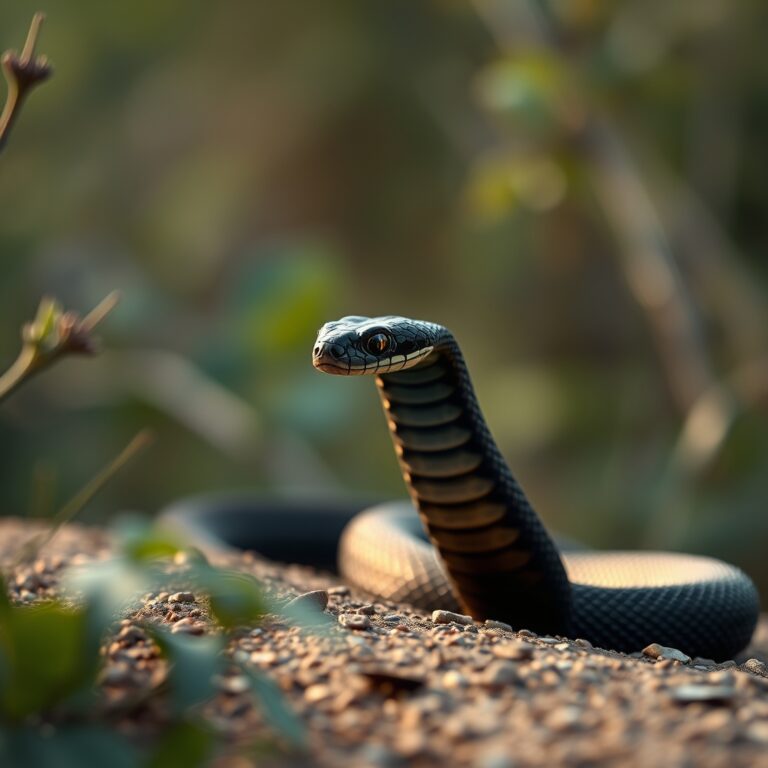
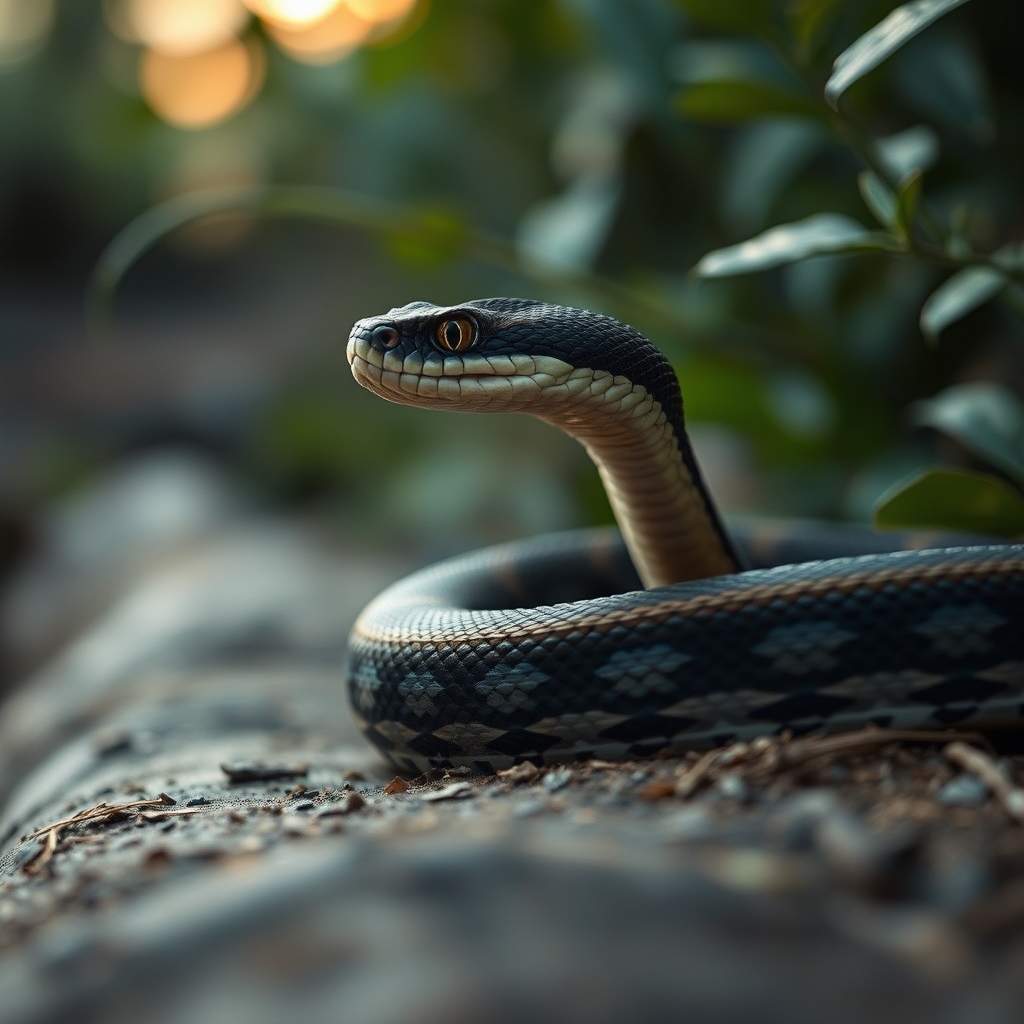
The Boa constrictor is a large, non-venomous snake species found in Central and South America. It is a member of the Boidae family and is known for its impressive size and powerful constricting abilities.
Quick Reference Table
| Scientific Name | Boa constrictor |
|---|---|
| Common Name | Boa Constrictor |
| Family | Boidae |
| Genus | Boa |
| Species | B. constrictor |
Taxonomy and Identification
The Boa constrictor is a member of the Boidae family, which includes other large, non-venomous snakes such as the anaconda and the python. It is a member of the genus Boa, which includes several other species of boas found in Central and South America.
The Boa constrictor is a large snake, typically growing to an average length of 10-13 feet (3-4 meters) and weighing up to 100 pounds (45 kilograms). It has a stout, muscular body with a broad, flat head and a short, blunt tail. The snake’s scales are smooth and shiny, with a brown or grayish-brown coloration that helps it blend in with its surroundings.
Natural Habitat and Distribution
The Boa constrictor is found in the tropical regions of Central and South America, including countries such as Mexico, Costa Rica, and Brazil. It inhabits a variety of habitats, including rainforests, savannas, and wetlands. The snake is a skilled climber and is often found in trees, where it hunts for prey such as birds, monkeys, and sloths.
Behaviour
The Boa constrictor is a solitary animal and is typically only seen with other boas during the mating season. It is a nocturnal hunter, using its keen sense of smell and powerful constricting abilities to catch its prey. The snake is a skilled climber and is often found in trees, where it hunts for birds and other arboreal animals.
The Boa constrictor is also a skilled escape artist and is known to be able to squeeze through small openings in search of food or shelter. In the wild, the snake is an important part of its ecosystem, helping to control populations of small mammals and birds.
Diet
The Boa constrictor is a carnivorous snake that feeds on a variety of small mammals, birds, and reptiles. Its diet consists mainly of rodents, opossums, and birds, which it hunts using its keen sense of smell and powerful constricting abilities.
In captivity, Boa constrictors are typically fed a diet of frozen-thawed mice or rats, which are provided once a week. The snake’s diet should be varied to ensure that it receives a balanced nutrient intake.
Care and Daily Needs
Boa constrictors require a large, secure enclosure with adequate ventilation and a heat source. The enclosure should be escape-proof and have a secure lid, as the snake is a skilled escape artist.
The snake requires a temperature range of 75-90°F (24-32°C) with a humidity level of 60-80%. A UVB light source should also be provided to simulate the snake’s natural environment.
Warning Signs and Health Issues
Boa constrictors are generally a healthy species, but they can be prone to certain health issues such as respiratory infections, skin problems, and parasites.
Warning signs of illness include loss of appetite, lethargy, and changes in skin or stool color. If any of these signs are observed, a veterinarian should be consulted immediately.
Responsible Care and Conservation
Boa constrictors are a protected species in some countries, and their capture and trade are regulated by laws and international agreements.
It is essential to check local laws and regulations before purchasing a Boa constrictor as a pet, and to ensure that the snake is obtained from a reputable breeder or dealer.
Frequently Asked Questions
What is the average lifespan of a Boa constrictor?
The average lifespan of a Boa constrictor is 20-30 years in captivity.
How often should I feed my Boa constrictor?
Boa constrictors should be fed once a week, with a varied diet that includes frozen-thawed mice or rats.
Can Boa constrictors be handled?
Yes, Boa constrictors can be handled, but they require gentle and careful handling to avoid injury.
What is the ideal temperature range for a Boa constrictor?
The ideal temperature range for a Boa constrictor is 75-90°F (24-32°C).
Sources
- Smith, H. M., & Smith, R. B. (1999). The Boa constrictor. Reptile Magazine, 7(3), 12-18.
- Greene, H. W. (1997). Snakes: The Evolution of Mystery in Nature. University of California Press.
Please note that the information provided is for general knowledge and is not intended to be used as veterinary advice. If you have concerns about your pet Boa constrictor, please consult a qualified veterinarian.
Life Cycle and Development
The Boa constrictor’s life cycle is a complex and fascinating process that involves several stages of development. Female Boa constrictors typically give birth to live young, with an average litter size of 20-40 snakes. The gestation period is approximately 7-8 months, during which time the female snake will stop eating and focus on nurturing her developing young.
After birth, the young snakes, called neonates, are about 20-25 inches (50-60 cm) in length and weigh around 2-3 ounces (50-80 grams). They are born with their eyes open and are able to hunt and fend for themselves from a very early age. The neonates will stay with their mother for a short period, usually around 1-2 weeks, before venturing out on their own.
As the young snakes grow and mature, they will shed their skin several times, a process called ecdysis. This process allows them to increase in size and replace their old skin with new, larger skin. Boa constrictors can live up to 20-30 years in the wild, although their average lifespan is around 15-20 years.
Communication and Senses
Boa constrictors are skilled communicators, using a variety of methods to convey information and express themselves. They use body language to convey aggression, courtship, or threat displays, such as flattening their bodies, hissing, or vibrating their tails.
In addition to visual cues, Boa constrictors also use chemical signals, such as pheromones, to communicate with other snakes. They have a highly developed sense of smell, which they use to detect prey, predators, and potential mates.
Boa constrictors also possess a unique organ called the Jacobson’s organ, which is located in the roof of their mouth. This organ allows them to detect chemical cues in the air, such as the scent of prey or a potential mate.
Their sense of hearing is not as well-developed, but they are able to detect vibrations and sounds through their skin and skull. They are also able to feel vibrations through the ground, which helps them detect the presence of prey or predators.
Seasonal Variation and Ecological Relationships
Boa constrictors are ectothermic, meaning they regulate their body temperature using external sources, such as the sun or a warm rock. As a result, their activity levels and behavior vary depending on the season.
During the dry season, Boa constrictors are more active, as they need to hunt and eat more frequently to sustain themselves. They will often bask in the sun to warm up and increase their metabolism.
In contrast, during the wet season, Boa constrictors are less active, as they have access to more food and water. They will often hide in burrows or under vegetation, where it is cooler and more humid.
Boa constrictors play a crucial role in their ecosystem, serving as both predators and prey. They prey on small mammals, birds, and reptiles, helping to regulate their populations. In turn, they are preyed upon by larger predators, such as jaguars and caimans.
Research and Conservation Efforts
Boa constrictors are an important species for scientific research, particularly in the fields of ecology, behavior, and conservation biology. Studies have been conducted on their habitat use, diet, and population dynamics, which have helped inform conservation efforts.
Conservation efforts are necessary to protect Boa constrictor populations, as they face threats such as habitat loss, hunting, and the pet trade. Many organizations, such as the International Union for Conservation of Nature (IUCN), are working to protect Boa constrictor habitats and reduce the demand for wild-caught snakes.
In addition, responsible breeding programs are being established to reduce the demand for wild-caught snakes and promote the conservation of Boa constrictors.
Responsible Enrichment and Ethical Considerations
Boa constrictors in captivity require a stimulating environment that meets their physical and behavioral needs. Providing a varied and nutritious diet, a suitable enclosure, and opportunities for exercise and exploration are essential for their well-being.
It is also important to consider the ethical implications of keeping Boa constrictors as pets. Many experts recommend that only experienced snake keepers attempt to care for Boa constrictors, as they require specialized care and housing.
Furthermore, it is essential to ensure that Boa constrictors are obtained from responsible breeders or rescue organizations, rather than wild-caught or from unscrupulous dealers. By making informed choices, snake enthusiasts can help promote the conservation of Boa constrictors and support responsible animal welfare.
Adaptations and Specialized Features
The Boa constrictor has several adaptations that enable it to thrive in its environment. One of its most notable features is its heat-sensing pit, which is located between its eyes and nostrils. This pit allows the snake to detect the body heat of its warm-blooded prey, even in complete darkness. The pit is made up of thousands of tiny sensory organs that are sensitive to even slight changes in temperature.
Another adaptation of the Boa constrictor is its highly specialized scales. The snake’s scales are smooth and shiny, which helps to reduce friction and allow it to move easily through dense vegetation. The scales also have a unique texture that helps to reduce noise, allowing the snake to sneak up on its prey undetected.
The Boa constrictor’s powerful constricting abilities are also an adaptation that allows it to catch and kill its prey. The snake’s body is made up of powerful muscles that allow it to wrap itself around its prey and squeeze until the prey suffocates or dies from circulatory failure.
Ecological Role and Impact
The Boa constrictor plays a vital role in its ecosystem, serving as both a predator and a prey species. As a predator, the snake helps to regulate the populations of small mammals, birds, and other animals that it preys upon. This helps to maintain a balance in the ecosystem and prevents any one species from becoming too dominant.
As a prey species, the Boa constrictor is an important food source for larger predators such as jaguars, ocelots, and harpy eagles. The snake’s large size and powerful constricting abilities make it a formidable opponent, but it is still vulnerable to attack from larger predators.
Cultural Significance and Symbolism
The Boa constrictor has significant cultural and symbolic meaning in many societies. In some cultures, the snake is seen as a symbol of power, strength, and fertility. In other cultures, it is seen as a symbol of danger and fear.
In some indigenous cultures, the Boa constrictor is considered a sacred animal and is associated with the underworld and the spirit world. The snake is often depicted in art and literature as a powerful and mysterious creature, and is often associated with magic and mysticism.
Conservation Status and Threats
The Boa constrictor is listed as a species of least concern on the IUCN Red List, but it is still threatened by habitat loss and fragmentation, as well as hunting for its skin and meat. The snake is also threatened by the pet trade, with many individuals being captured and sold as pets.
Efforts are being made to conserve the Boa constrictor and its habitat, including the establishment of protected areas and education programs to raise awareness about the importance of conservation. However, more needs to be done to protect this magnificent species and its habitat.