Introduction
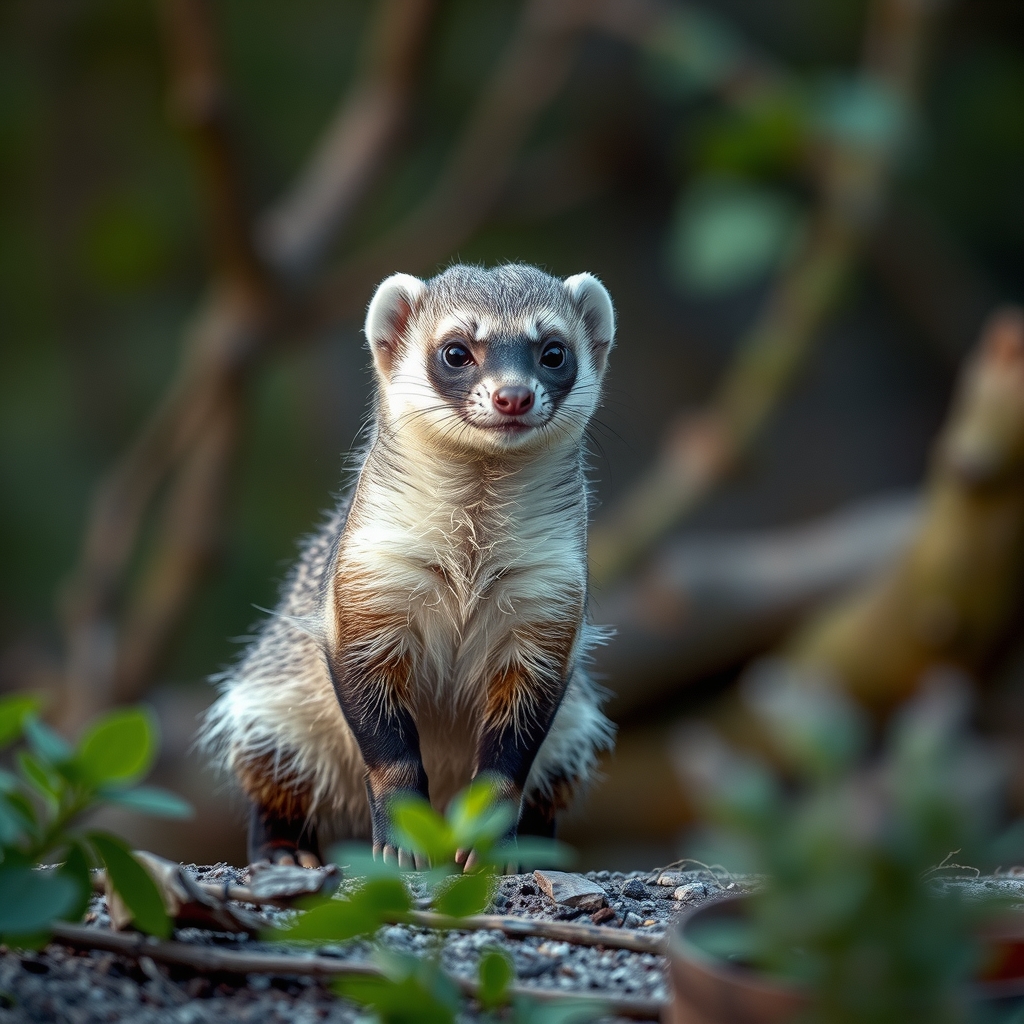
Ferrets (Mustela putorius furo) are carnivorous mammals belonging to the weasel family (Mustelidae). They are closely related to polecats, minks, and otters. Ferrets have been domesticated for thousands of years, primarily for hunting and companionship.
Physical Characteristics
Ferrets are slender, elongated animals with a typical length of 18-24 inches (45-60 cm) and a weight of 1.5-4 pounds (0.7-1.8 kg). They have a soft, thick coat that can vary in color from white to dark brown. Their fur is longest on their back, forming a distinctive “cape”. Ferrets have a short, rounded tail and a pointed snout.
Behavior and Temperament
Ferrets are playful, curious, and energetic animals. They are highly social and thrive on interaction with their human family members. Ferrets are known for their mischievous behavior and love to explore their surroundings, often getting into trouble. They are also prone to nipping and biting, especially during play.
Diet and Nutrition
Ferrets are obligate carnivores, requiring a diet high in protein and fat. They have a short digestive tract and a high metabolism, which means they need to eat frequently. A balanced ferret diet should include commercial ferret food, supplemented with small amounts of fresh meat and vegetables.
Health and Veterinary Care
Ferrets are prone to certain health issues, including adrenal disease, insulinoma, and heart disease. Regular veterinary check-ups are essential to monitor their health and detect any potential problems early. Ferrets also require regular vaccinations and parasite control.
Care and Housing
Ferrets require a spacious, escape-proof enclosure with adequate ventilation and temperature control. Their cage should be equipped with hiding places, toys, and scratching posts to keep them entertained and stimulated. Ferrets are also prone to escaping, so their enclosure should be secure and ferret-proofed.
| Characteristic | Description |
|---|---|
| Lifespan | 7-9 years |
| Weight | 1.5-4 pounds (0.7-1.8 kg) |
| Length | 18-24 inches (45-60 cm) |
| Diet | Obligate carnivore |
| Health issues | Adrenal disease, insulinoma, heart disease |
Conclusion
Ferrets make wonderful pets for experienced owners who can provide the necessary care and attention. However, they are not suitable for everyone, especially those with young children or other pets. With proper care and veterinary attention, ferrets can thrive and bring joy and companionship to their owners.
Q: Are ferrets good pets for children?
A: No, ferrets are not suitable pets for young children. They are prone to nipping and biting, and their high energy level can be overwhelming for children.
Q: Can ferrets be litter trained?
A: Yes, ferrets can be litter trained with patience and consistency. They are naturally clean animals and will use a litter box if provided with one.
Q: How often should I feed my ferret?
A: Ferrets have a high metabolism and need to eat frequently. Feed your ferret 3-4 times a day, and provide fresh water at all times.
Q: Can ferrets be kept outdoors?
A: No, ferrets should not be kept outdoors. They are prone to escaping and can be vulnerable to predators and extreme temperatures.
- American Ferret Association. (n.d.). Ferret Care and Health.
- Association of Exotic Mammal Veterinarians. (n.d.). Ferret Care and Husbandry.
- International Association of Animal Behavior Consultants. (n.d.). Ferret Behavior and Training.
Remember to consult with a veterinarian before acquiring a ferret as a pet. They can provide valuable advice and help you determine if a ferret is the right pet for you.
Life Cycle and Development
Ferrets have a relatively short lifespan, typically ranging from 7 to 9 years in captivity. Their life cycle is divided into several stages, each with unique characteristics and needs. Baby ferrets, called kits, are born after a gestation period of approximately 42 days. Litters usually consist of 2-12 kits, which are born blind and helpless. The kits rely on their mother’s milk for nutrition and warmth, and their eyes open after about 3-4 weeks.
As the kits grow, they begin to venture out of their nest and explore their surroundings. At around 6-8 weeks, they start to wean and transition to solid food. During this period, it’s essential to provide a nutrient-rich diet and plenty of social interaction to ensure proper development. Ferrets reach sexual maturity at around 6-8 months, at which point they can breed and produce offspring of their own.
Communication and Senses
Ferrets are highly communicative animals that rely on a range of vocalizations, body language, and scent markings to convey information. They use a variety of sounds, including chirps, squeaks, and hisses, to express emotions and needs. For example, a ferret may chirp to initiate play or hiss to signal fear or aggression.
Ferrets also possess a keen sense of smell, which they use to detect food, predators, and potential mates. Their sense of hearing is equally impressive, allowing them to detect even faint sounds. In contrast, their eyesight is relatively poor, and they rely more on their other senses to navigate their environment.
Seasonal Variation and Hibernation
Unlike their wild ancestors, domesticated ferrets do not truly hibernate. However, they may experience a period of dormancy during the winter months, especially if they are not provided with adequate stimulation and exercise. During this time, their metabolism slows, and they may sleep more frequently.
It’s essential to provide ferrets with a stimulating environment and plenty of opportunities for exercise and play, regardless of the season. This can include providing toys, tunnels, and climbing structures, as well as engaging in playtime activities like chasing laser pointers or playing hide-and-seek.
Ecological Relationships and Environmental Impact
As domesticated animals, ferrets do not have a significant impact on their environment. However, their wild ancestors play a crucial role in controlling pest populations, particularly rodents and rabbits. In some areas, ferrets are considered an invasive species, and their release into the wild can have devastating consequences for native ecosystems.
It’s essential to consider the potential environmental impact of keeping ferrets as pets and to take steps to minimize their ecological footprint. This can include providing a sustainable and environmentally-friendly diet, reducing waste, and supporting conservation efforts.
Research and Conservation Efforts
Ferrets have been the subject of various research studies, particularly in the fields of behavior, nutrition, and health. These studies have helped to improve our understanding of ferret biology and inform best practices for their care and management.
Conservation efforts for ferrets are primarily focused on protecting their wild ancestors and preserving their natural habitats. Organizations such as the International Union for Conservation of Nature (IUCN) and the World Wildlife Fund (WWF) work to monitor ferret populations, protect their habitats, and educate the public about the importance of conservation.
Responsible Enrichment and Stimulation
Providing ferrets with adequate enrichment and stimulation is crucial for their physical and mental health. This can include providing a variety of toys, rotating them regularly to prevent boredom, and engaging in playtime activities. Ferrets also benefit from sensory stimulation, such as exposure to different textures, smells, and tastes.
It’s essential to provide ferrets with opportunities for exercise and physical activity, such as running, jumping, and climbing. This can be achieved through the use of ferret-proofed rooms, tunnels, and climbing structures.
Ethical and Legal Considerations
Keeping ferrets as pets raises several ethical and legal considerations. In some countries, ferrets are considered exotic animals and are subject to specific laws and regulations. It’s essential to research and understand the laws and regulations in your area before bringing a ferret into your home.
Additionally, ferrets have specific welfare needs that must be met, including adequate housing, nutrition, and veterinary care. It’s essential to consider whether you can provide the necessary care and attention before deciding to bring a ferret into your life.
### Ferret-Proofing and Safety Precautions
Ferrets are notorious for their curiosity and love for exploration, which can sometimes lead to trouble. To ensure their safety and prevent damage to your home, it’s essential to ferret-proof your living space. This involves removing any hazardous materials, securing loose items, and blocking access to areas that may pose a risk to your ferret’s health. Some common hazards to watch out for include toxic substances, electrical cords, and small objects that can be swallowed.
Ferret-proofing also involves providing a safe and stable environment for your ferret to play and exercise. This can include setting up a ferret-proofed play area, complete with toys and climbing structures, and ensuring that your ferret has access to a safe and comfortable place to rest.
### Training and Socialization
Training and socialization are crucial for ferrets, as they can help to prevent behavioral problems and strengthen the bond between you and your ferret. Positive reinforcement training methods, such as clicker training, can be effective in teaching your ferret basic commands and tricks. Socialization is also essential, as it can help your ferret become confident and calm in new environments and around new people and animals.
Ferrets are highly intelligent and can learn quickly, but they can also be stubborn at times. Consistency, patience, and positive reinforcement are key to successful training and socialization. It’s also essential to start training and socialization early, as ferrets are most receptive to new experiences and learning during their first few months of life.
### Ferrets in the Workplace and Public Places
Ferrets can make great companions and can even be taken to work or public places, provided they are well-trained and socialized. However, it’s essential to consider the laws and regulations regarding ferrets in public places, as well as the potential risks and challenges associated with taking your ferret out in public.
Some things to consider when taking your ferret to work or public places include ensuring they are well-behaved and under control, providing a safe and comfortable carrier or harness, and being mindful of potential health risks and allergens. With proper training, socialization, and planning, ferrets can make great companions in the workplace and public places.