Introduction
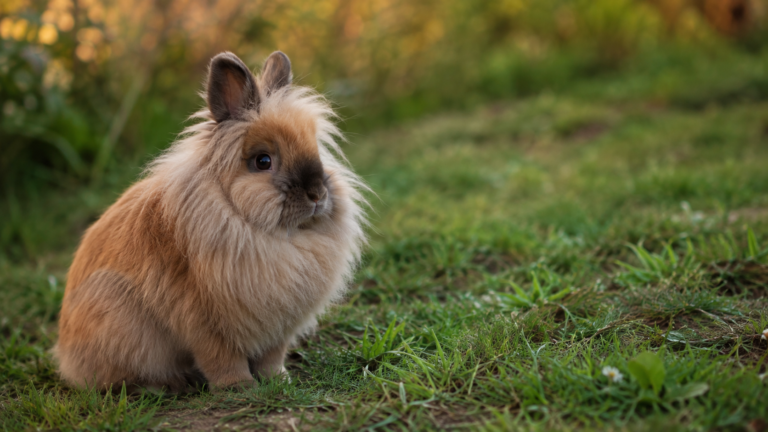
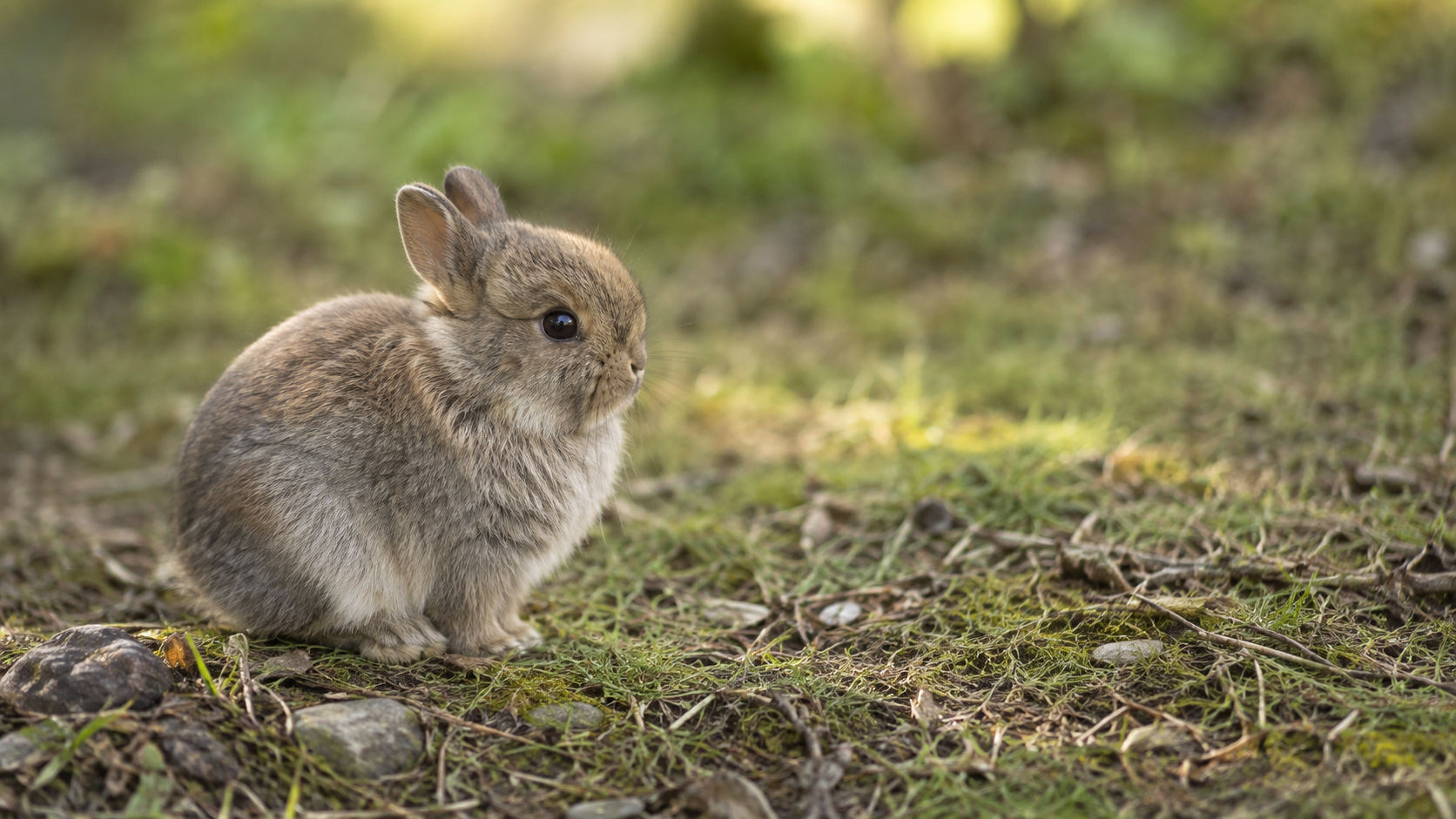
The Netherland Dwarf rabbit is a small, friendly breed of rabbit that is popular among rabbit fanciers and pet owners. They are known for their compact size, gentle nature, and variety of colors and patterns.
Origin and History
The Netherland Dwarf rabbit originated in the Netherlands in the early 20th century, where they were bred as a companion animal. They were developed from a combination of the Polish and the Dutch Dwarf rabbit breeds.
Physical Characteristics
The Netherland Dwarf rabbit is a small breed, weighing between 1.5 and 3.5 pounds (0.7 to 1.6 kg) and measuring 5-7 inches (13-18 cm) in length. They have a compact, rounded body and short ears. They come in a wide range of colors and patterns, including solid, agouti, and pointed.
| Weight | Length | Lifespan |
|---|---|---|
| 1.5-3.5 pounds (0.7-1.6 kg) | 5-7 inches (13-18 cm) | 10-12 years |
Temperament and Behavior
Netherland Dwarf rabbits are known for their friendly, outgoing personalities. They are social animals and enjoy human interaction, but they can be skittish if not handled gently and carefully. They are intelligent and curious, and they require plenty of toys and stimulation to prevent boredom and behavioral problems.
Diet and Nutrition
Netherland Dwarf rabbits are herbivores and require a diet high in fiber and low in protein. They should be fed a variety of fresh vegetables, hay, and limited amounts of pellets specifically formulated for rabbits. Fresh water should always be available.
Health
Netherland Dwarf rabbits are generally a healthy breed, but they can be prone to certain health problems, such as dental issues, respiratory problems, and obesity. Regular veterinary care and a balanced diet can help prevent these problems.
Care and Housing
Netherland Dwarf rabbits require a safe, comfortable enclosure with plenty of space to move around. They should be provided with hiding places, toys, and opportunities for exercise and play. A solid-bottomed cage or enclosure is recommended, as they can be prone to foot problems.
Breeding and Reproduction
Netherland Dwarf rabbits are capable of breeding at a young age, but they should not be bred until they are at least 6 months old. They have a short gestation period of approximately 28-30 days, and they can have up to 8 litters per year.
Interesting Facts
Netherland Dwarf rabbits are one of the smallest breeds of rabbit in the world. They are known for their intelligence and can be trained to use a litter box. They are social animals and can be kept in pairs or groups if introduced carefully.
Q: How long do Netherland Dwarf rabbits live?
A: Netherland Dwarf rabbits can live up to 10-12 years with proper care and nutrition.
Q: Are Netherland Dwarf rabbits good pets?
A: Yes, Netherland Dwarf rabbits can make great pets for experienced rabbit owners. They are friendly, social, and relatively low-maintenance.
Q: How much do Netherland Dwarf rabbits cost?
A: The cost of a Netherland Dwarf rabbit can vary depending on the breeder, bloodline, and location. On average, they can cost between $50-$200.
Q: Can Netherland Dwarf rabbits be kept outdoors?
A: Yes, Netherland Dwarf rabbits can be kept outdoors in a safe, predator-proof enclosure. However, they require protection from extreme temperatures and weather conditions.
Q: Are Netherland Dwarf rabbits prone to health problems?
A: Yes, Netherland Dwarf rabbits can be prone to certain health problems, such as dental issues, respiratory problems, and obesity. Regular veterinary care and a balanced diet can help prevent these problems.
- Netherland Dwarf Rabbit Club
- American Rabbit Breeders Association
- House Rabbit Society
Remember to always consult with a veterinarian before purchasing a pet rabbit, and to do plenty of research to ensure that you can provide the proper care and attention that your new pet will need.
Life Cycle and Development
Netherland Dwarf rabbits have a relatively long lifespan compared to other small breeds, typically living between 10 to 12 years. Their life cycle can be divided into several stages, each with unique characteristics and needs. Baby Netherland Dwarf rabbits, also known as kits, are born after a gestation period of approximately 28-30 days. At birth, they are blind, deaf, and helpless, relying on their mother’s care for warmth, nutrition, and protection. The kits develop rapidly, and their eyes and ears open around 10-12 days after birth. They start to venture out of the nest at around 2-3 weeks old and are weaned at 4-5 weeks.
As the kits grow, they begin to develop their adult coat colors and patterns. They reach physical maturity at around 6-8 months, but may continue to fill out and develop muscle mass until they are about a year old. Netherland Dwarf rabbits are considered seniors around 7-8 years old, and their needs may change as they age. They may require more frequent veterinary check-ups, a balanced diet, and a comfortable living environment to ensure a happy and healthy life.
Communication and Senses
Netherland Dwarf rabbits are highly social animals that communicate with each other and their human caregivers through a variety of vocalizations, body language, and scent marking. They use a range of sounds, including grunting, squeaking, and thumping, to convey emotions and needs. They also use body language to communicate, such as ear position, tail twitching, and posture, to indicate mood and intentions.
Netherland Dwarf rabbits have a keen sense of smell and can detect subtle changes in their environment. They use their sense of smell to detect food, predators, and potential mates. Their eyesight is also relatively good, and they can detect movement and changes in their surroundings. However, their hearing is not as acute, and they may not respond to high-pitched sounds.
Seasonal Variation and Environmental Enrichment
Netherland Dwarf rabbits are adaptable to different environments and can thrive in a variety of settings. However, they do require some seasonal variation and environmental enrichment to stay happy and healthy. In the summer months, they need access to plenty of fresh water, shade, and ventilation to prevent heat stress. In the winter months, they require a warm and cozy environment, with plenty of bedding and hiding places to feel secure.
Providing environmental enrichment is essential to stimulate the natural behavior of Netherland Dwarf rabbits. This can include offering a variety of toys, tunnels, and climbing structures, as well as rotating their environment regularly to keep them engaged and curious. Owners can also provide seasonal activities, such as foraging for treats in the spring or playing with snow in the winter, to keep their rabbits entertained and stimulated.
Ecological Relationships and Research
Netherland Dwarf rabbits are prey animals and have a natural instinct to flee from predators. In the wild, they would live in groups, called warrens, and have a complex social hierarchy. As pets, they can form close bonds with their owners and other rabbits, but they may also exhibit prey behavior, such as freezing or fleeing, in response to sudden movements or loud noises.
Research on Netherland Dwarf rabbits has focused on their behavior, physiology, and welfare. Studies have shown that they are intelligent and curious animals that require plenty of stimulation and enrichment to prevent boredom and behavioral problems. Research has also highlighted the importance of providing a suitable environment, including a balanced diet, plenty of exercise, and regular veterinary care, to ensure the health and well-being of Netherland Dwarf rabbits.
Responsible Enrichment and Ethical Considerations
As popular pets, Netherland Dwarf rabbits require responsible ownership and enrichment. Owners should provide a suitable environment, including a spacious enclosure, plenty of hiding places, and regular opportunities for exercise and socialization. They should also ensure that their rabbits receive regular veterinary care, including vaccinations and check-ups, to prevent health problems.
There are also ethical considerations when keeping Netherland Dwarf rabbits as pets. Owners should be aware of the potential welfare implications of keeping rabbits in small enclosures or cages, and ensure that they provide enough space and stimulation to meet their needs. They should also consider the long-term commitment of caring for a rabbit, as they can live up to 12 years or more. By providing responsible enrichment and care, owners can ensure that their Netherland Dwarf rabbits lead happy and healthy lives.
Conservation Status and Threats
The Netherland Dwarf rabbit is not considered a threatened breed, as they are widely kept as pets and are bred by many rabbit fanciers. However, their popularity can sometimes lead to irresponsible breeding practices, which can result in health problems and a loss of genetic diversity. Additionally, the breed’s small size and gentle nature make them vulnerable to predators, such as hawks and foxes, if they are kept outdoors.
Specialized Care for Senior Rabbits
As Netherland Dwarf rabbits age, they require specialized care to ensure their health and well-being. Senior rabbits need regular veterinary check-ups to monitor their health and catch any potential problems early. They also require a diet that is tailored to their age and health status, and may need more frequent cleaning of their cage to prevent health problems. Additionally, senior rabbits may need more gentle handling and exercise to prevent injury.
Supporting Rabbit Welfare Organizations
There are many organizations that work to promote the welfare of rabbits, including the Netherland Dwarf breed. These organizations provide education and resources for rabbit owners, as well as support for rescue and rehabilitation efforts. By supporting these organizations, rabbit owners can help to promote the welfare of rabbits and ensure that they receive the care and respect they deserve.