Classification and Natural History
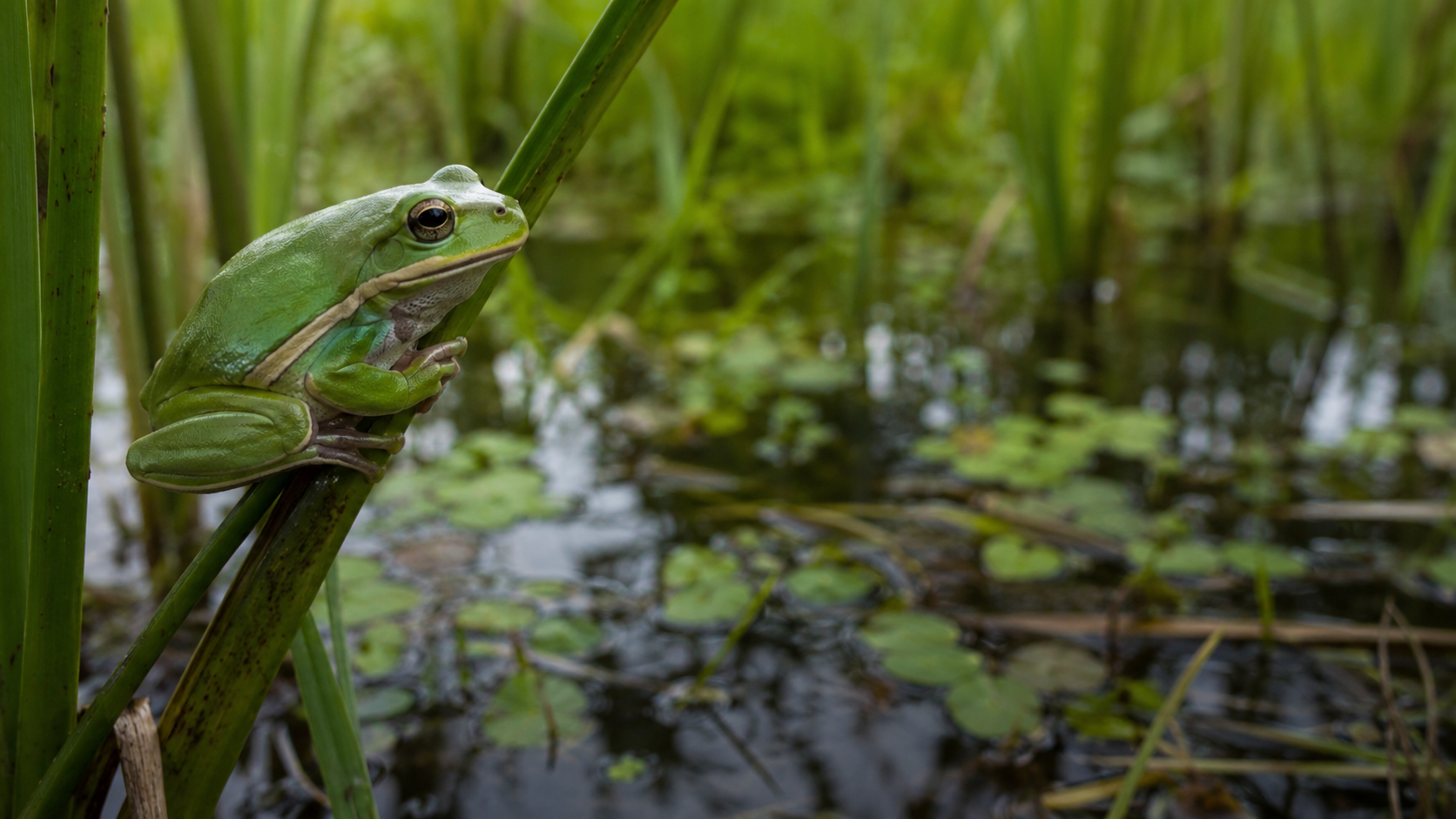
The American Green Tree Frog (Hyla cinerea) is a small, non-venomous tree frog native to the southeastern United States. It is a member of the family Hylidae and is also known as the American Green Treefrog or the Green Tree Frog.
These frogs are typically found in trees and shrubs near bodies of water, such as ponds, lakes, and slow-moving streams. They are arboreal, meaning they spend most of their time in trees, and are excellent jumpers and climbers.
Physical Characteristics
American Green Tree Frogs are relatively small, reaching lengths of about 1-2 inches (2.5-5 cm). They have a green or grayish-green coloration with a white or yellowish-white underside. They have large, round eyes and a distinctive white or yellowish-white stripe that runs from the tip of the snout to the shoulder.
Habitat and Distribution
American Green Tree Frogs are found in the southeastern United States, from North Carolina to Florida and west to Texas. They are typically found in areas with still or slow-moving water, such as ponds, lakes, and swamps.
Behavior and Diet
American Green Tree Frogs are carnivorous, feeding on small insects, such as mosquitoes, flies, and spiders. They are also known to eat other small invertebrates, such as snails and worms.
Conservation Status
The American Green Tree Frog is listed as Least Concern on the IUCN Red List. However, their populations are declining in some areas due to habitat loss and fragmentation, as well as the introduction of non-native species.
Interesting Facts
American Green Tree Frogs are able to change their skin color to some extent, but not as dramatically as some other frog species. They are also able to play a role in controlling insect populations, which can help to prevent the spread of diseases.
| Scientific Name | Hyla cinerea |
|---|---|
| Family | Hylidae |
| Length | 1-2 inches (2.5-5 cm) |
| Weight | 0.07-0.21 oz (2-6 grams) |
| Lifespan | 2-5 years |
FAQ
What do American Green Tree Frogs eat?
American Green Tree Frogs are carnivorous, feeding on small insects, such as mosquitoes, flies, and spiders.
Where are American Green Tree Frogs found?
American Green Tree Frogs are found in the southeastern United States, from North Carolina to Florida and west to Texas.
Are American Green Tree Frogs endangered?
The American Green Tree Frog is listed as Least Concern on the IUCN Red List. However, their populations are declining in some areas due to habitat loss and fragmentation, as well as the introduction of non-native species.
Can I keep American Green Tree Frogs as pets?
No, American Green Tree Frogs are wild animals and should not be kept as pets. They have complex social and spatial needs that cannot be met in a home environment.
- National Geographic, American Green Tree Frog
- Smithsonian National Museum of Natural History, American Green Tree Frog
- IUCN Red List, Hyla cinerea
Please note: American Green Tree Frogs are wild animals and should not be handled or kept as pets. If you are concerned about the welfare of an American Green Tree Frog, please contact a local wildlife rehabilitation center or a licensed wildlife professional.
Life Cycle
The life cycle of the American Green Tree Frog consists of four stages: egg, tadpole, metamorph, and adult. The breeding season typically occurs from March to October, with the peak breeding season usually happening in May and June. During this time, males will vocalize to attract females, and the females will lay their eggs in clusters on the surface of the water. The eggs will hatch into tadpoles within 2-3 days, and the tadpoles will go through metamorphosis, developing lungs and losing their gills, within 6-8 weeks. The newly metamorphosed frogs will then begin their life on land, feeding on small insects and growing to maturity.
Communication
American Green Tree Frogs use a variety of sounds to communicate with each other. Males will vocalize to attract females and defend their territory from other males. The most common call is a loud, nasal “quack” sound, but they will also make a high-pitched “keek” sound when they feel threatened or are trying to attract a female. Females will also make a softer “quack” sound to respond to males. In addition to vocalizations, American Green Tree Frogs will also use body language to communicate, such as posturing and visual displays.
Senses
American Green Tree Frogs have a keen sense of sight and can detect movement and changes in light. They also have a sensitive sense of hearing, which helps them to detect potential predators and communicate with other frogs. Their sense of smell is not as developed, but they can detect certain chemicals in the water and air. They also have a highly developed sense of touch, which helps them to navigate their environment and detect prey.
Seasonal Variation
American Green Tree Frogs are active throughout the year, but their activity levels and behavior change with the seasons. During the spring and summer, they are more active and can be found in trees and shrubs near bodies of water. In the fall, they begin to move to lower elevations and can be found in leaf litter and undergrowth. During the winter, they will burrow into the soil and enter a state of dormancy, emerging in the spring when temperatures rise.
Ecological Relationships
American Green Tree Frogs play an important role in their ecosystem as both predators and prey. They feed on small insects, which helps to control populations and maintain a balance in the ecosystem. They are also an important food source for other animals, such as birds, snakes, and other predators. In addition, they help to maintain the balance of their ecosystem by controlling the populations of algae and small invertebrates.
Research
American Green Tree Frogs have been the subject of various research studies, including studies on their behavior, ecology, and conservation. They are also used as a model organism in scientific research, particularly in the fields of developmental biology and ecology. Researchers have also studied their unique life cycle and adaptations, which have provided insights into the evolution of amphibians.
Responsible Enrichment
In captivity, American Green Tree Frogs require a suitable environment that mimics their natural habitat. They need a well-ventilated, humid enclosure with a temperature range of 65-85°F (18-30°C). They also require a varied diet of live insects, such as crickets and mealworms. It is also important to provide them with hiding places, such as plants and branches, to reduce stress. In addition, they require regular handling and social interaction to become tame and thrive in captivity.
Ethical and Legal Considerations
American Green Tree Frogs are not currently listed as an endangered species, but they are protected by laws and regulations in some states. In the wild, they are often threatened by habitat destruction, pollution, and climate change. In captivity, they are protected by laws and regulations that govern the capture and trade of wild animals. It is also important to consider the welfare of the animals and ensure that they are treated humanely and with respect.
Adaptation to Captivity
American Green Tree Frogs are popular pets, and they can thrive in captivity if provided with the right environment. In the wild, they are adapted to living in trees and shrubs, so they require a lot of vertical space in their enclosures. A well-ventilated, secure enclosure with plenty of branches and plants can help to keep them active and healthy. A temperature range of 65-85°F (18-29°C) and humidity levels of 50-70% can help to simulate their natural environment.
Reproduction in Captivity
Breeding American Green Tree Frogs in captivity can be a challenging but rewarding experience. They require a specific temperature and humidity range to induce breeding, and a shallow water dish for egg-laying. The eggs are typically laid on the surface of the water, and they hatch into tadpoles after 2-3 days. The tadpoles are carnivorous and require a diet of live foods, such as brine shrimp or bloodworms.
Conservation Efforts
The American Green Tree Frog is not currently considered to be a threatened species, but habitat destruction and degradation are major concerns for their populations. Efforts to protect and restore their natural habitats, such as wetlands and forests, can help to ensure the long-term survival of this species. Additionally, education and outreach programs can help to raise awareness about the importance of conservation and the impact of human activities on the environment.
Interesting Behaviors in Captivity
American Green Tree Frogs are known to be active and entertaining pets, and they can display some interesting behaviors in captivity. They are social animals and can be kept in small groups, but they do require a lot of space and visual barriers to prevent stress. They are also known to be skilled escape artists, and their enclosures require secure lids to prevent them from jumping out.
Health Considerations
American Green Tree Frogs are generally hardy animals, but they can be susceptible to certain health issues in captivity. Metabolic bone disease is a common problem, caused by a lack of calcium and vitamin D3 in their diet. Respiratory infections can also be a concern, especially if their enclosure is not well-ventilated. Regular veterinary check-ups and a balanced diet can help to prevent these health issues.
Cultural Significance
The American Green Tree Frog has cultural significance in the southeastern United States, where it is native. It is often featured in local folklore and is considered to be a symbol of good luck and prosperity. In some areas, it is also considered to be a delicacy and is consumed as a food source. However, this practice is not recommended, as it can harm local populations and is not considered to be sustainable.