Introduction
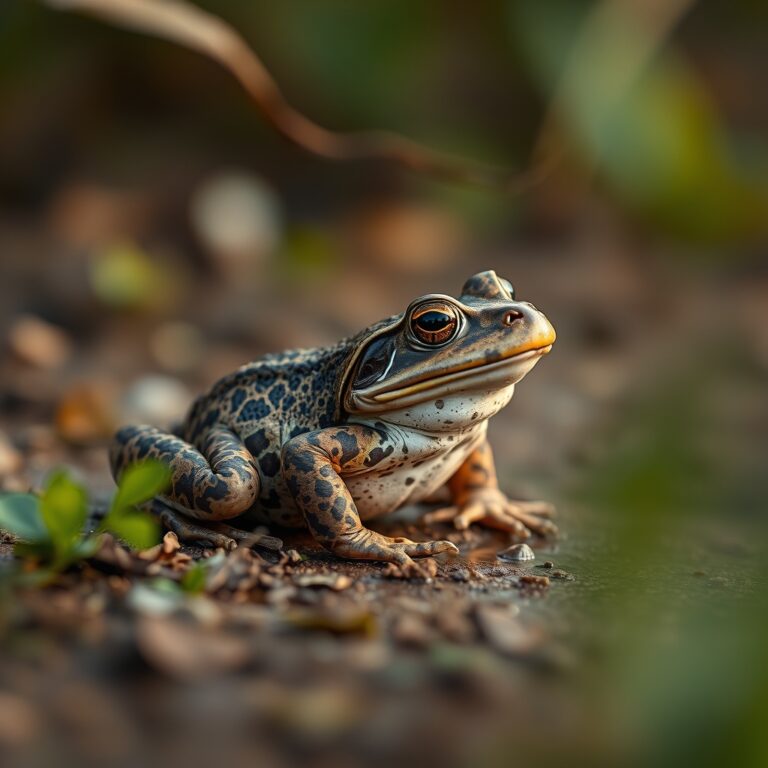
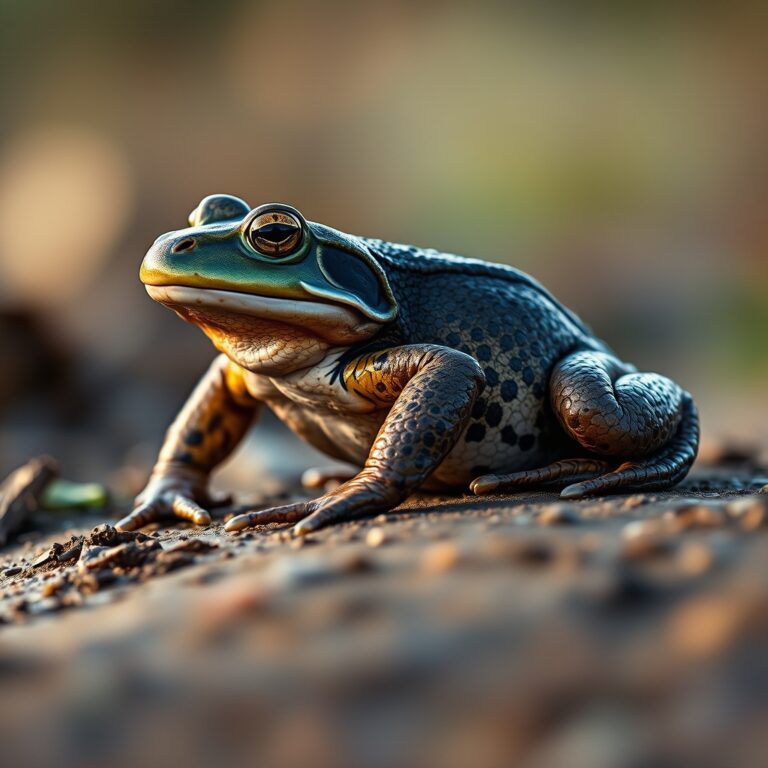
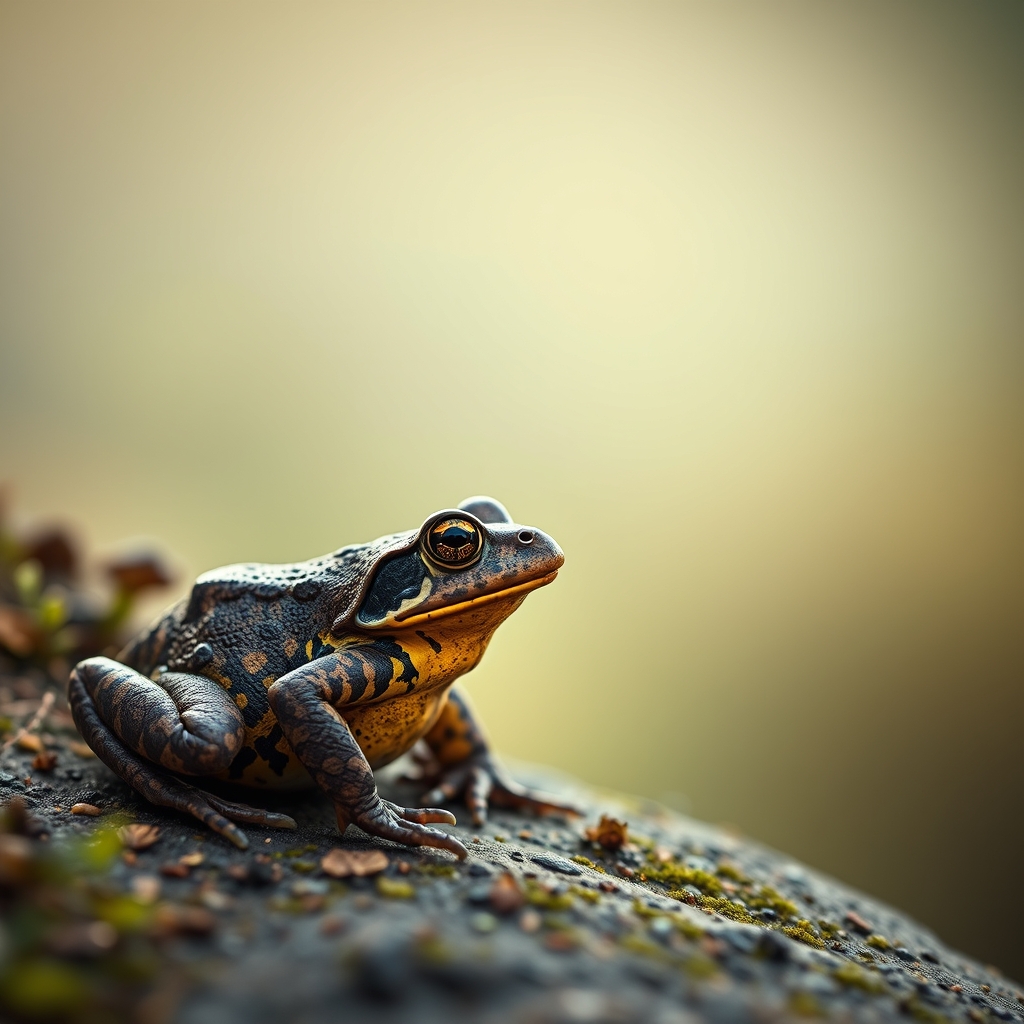
The fire-bellied toad (Bombina bombina) is a fascinating and unique amphibian species native to Europe and Asia. Its distinctive red or orange belly serves as a warning signal to potential predators, indicating its toxicity. In this guide, we will delve into the world of the fire-bellied toad, exploring its taxonomy, identification, natural habitat, behavior, diet, and more.
Quick Reference Table
| Scientific Name | Bombina bombina |
|---|---|
| Common Name | Fire-bellied toad |
| Family | Bombinatoridae |
| Conservation Status | Least Concern |
Taxonomy and Identification
The fire-bellied toad belongs to the family Bombinatoridae and is one of the six species within the genus Bombina. It is characterized by its distinctive red or orange belly, which is often accompanied by black spots or stripes. The toad’s dorsal side is typically brown or gray, with a rough, warty skin texture. Adults can grow up to 5 cm (2 inches) in length.
Natural Habitat and Distribution
Fire-bellied toads are found in a variety of aquatic and terrestrial habitats, including ponds, lakes, and slow-moving streams. They are native to Europe and Asia, with a range that spans from the United Kingdom to China. They typically inhabit areas with still or slow-moving water, where they can be found hiding under rocks, logs, or vegetation.
Behaviour
Fire-bellied toads are primarily nocturnal, spending most of their time hiding in burrows or under cover. During the breeding season, males will often engage in loud, high-pitched calls to attract females. The toads are also known to be skilled climbers, often ascending rocks or vegetation in search of food or shelter.
Diet
Fire-bellied toads are carnivorous, feeding on a variety of invertebrates, including insects, crustaceans, and worms. They have a sticky tongue that they use to capture their prey, which they then swallow whole. In captivity, they can be fed a diet of live insects, such as crickets or mealworms.
Diet
Fire-bellied toads are carnivorous, feeding on a variety of invertebrates, including insects, crustaceans, and worms. They have a sticky tongue that they use to capture their prey, which they then swallow whole. In captivity, they can be fed a diet of live insects, such as crickets or mealworms.
Responsible Care and Conservation
Fire-bellied toads are relatively low-maintenance pets, but they do require proper care and attention. In captivity, they should be provided with a well-ventilated, secure enclosure with a shallow water dish and a heat source. A diet of live insects should be supplemented with a calcium and vitamin D3 supplement to ensure proper nutrition.
In the wild, fire-bellied toads are facing threats such as habitat destruction, pollution, and climate change. Conservation efforts are necessary to protect their habitats and prevent population decline.
Health and Welfare
Fire-bellied toads are generally hardy animals, but they can be susceptible to certain health issues, such as respiratory infections and metabolic bone disease. Regular veterinary check-ups and a proper diet can help prevent these issues.
Warning Signs
Some warning signs of illness or stress in fire-bellied toads include lethargy, loss of appetite, and changes in skin color or texture. If you notice any of these signs, it is essential to seek veterinary attention immediately.
Practical Takeaways
- Fire-bellied toads are carnivorous and require a diet of live insects.
- They require proper care and attention, including a well-ventilated enclosure and a heat source.
- Conservation efforts are necessary to protect their habitats and prevent population decline.
- Regular veterinary check-ups and a proper diet can help prevent health issues.
Frequently Asked Questions
What is the average lifespan of a fire-bellied toad?
The average lifespan of a fire-bellied toad is 10-15 years in captivity.
Can fire-bellied toads be handled?
Fire-bellied toads can be handled gently and briefly, but they are not recommended as a handling pet.
What is the ideal temperature range for fire-bellied toads?
The ideal temperature range for fire-bellied toads is between 15-20°C (59-68°F).
Can fire-bellied toads be kept in a group?
No, fire-bellied toads are best kept alone, as they can be territorial and may fight with each other.
Sources
- National Geographic: Fire-bellied Toad
- Animal Diversity Web: Bombina bombina
- CARES: Fire-bellied Toad Care Sheet
Remember to always consult with a qualified veterinarian before attempting to care for or handle any animal. They can provide personalized advice and help you make informed decisions about animal care.
Life Cycle and Development
The life cycle of the fire-bellied toad is a complex process that involves several stages, from egg to tadpole to adult. The breeding season typically occurs in the spring, when males begin to vocalize and establish territories. Females lay their eggs in clusters on aquatic vegetation, which hatch into tadpoles after several days. The tadpoles go through a series of molts as they grow and develop, eventually undergoing metamorphosis into juvenile toads. This process can take several weeks to several months, depending on environmental factors such as temperature and food availability.
During this time, the tadpoles are vulnerable to predators and rely on their camouflage and agility to survive. As they grow, they begin to develop their distinctive red or orange belly coloration, which serves as a warning signal to potential predators. The juvenile toads will continue to grow and mature over the next several months, eventually reaching adulthood and beginning the cycle again.
Communication and Senses
Fire-bellied toads have a unique way of communicating with each other through a series of vocalizations, body language, and visual cues. Males will often vocalize during the breeding season to establish territories and attract females. They will also use body language to signal aggression or courtship, such as puffing out their bodies or displaying their brightly colored bellies.
In addition to vocalizations and body language, fire-bellied toads also rely on their senses to navigate their environment. They have poor eyesight, but are highly sensitive to vibrations and movements, which helps them detect prey and predators. They also have a highly developed sense of smell, which they use to detect food and potential mates.
Seasonal Variation and Adaptation
Fire-bellied toads are adapted to a temperate climate, with a range that spans from the United Kingdom to China. As a result, they have developed strategies to cope with seasonal changes in temperature and humidity. During the winter months, they will often burrow underground or hide in protected areas to escape the cold, emerging in the spring when temperatures rise.
In the summer months, they will often estivate, hiding in shaded areas or underground to escape the heat. This allows them to conserve energy and water, which is essential for their survival. In the fall, they will begin to prepare for the winter months by storing energy reserves and finding suitable hibernation sites.
Ecological Relationships and Role in the Ecosystem
Fire-bellied toads play an important role in their ecosystem, serving as both predators and prey. They feed on a variety of invertebrates, including insects and worms, which helps to regulate their populations. They are also an important food source for other animals, such as birds, snakes, and other predators.
In addition to their role as predators and prey, fire-bellied toads also contribute to the ecosystem through their burrowing activities. They help to aerate the soil and create pathways for other animals to follow, which can lead to the creation of new habitats and ecosystems.
Research and Conservation Efforts
Fire-bellied toads are currently listed as Least Concern on the IUCN Red List, but their populations are declining in some areas due to habitat destruction, pollution, and climate change. As a result, conservation efforts are underway to protect their habitats and reduce the impact of human activities on their populations.
Researchers are also studying the fire-bellied toad’s unique characteristics, such as their toxic secretions and adaptations to their environment. This research can provide valuable insights into the evolution of amphibians and the development of new medicines and treatments.
Responsible Enrichment and Captivity
Fire-bellied toads can make interesting and rewarding pets, but they require specialized care and housing. They need a well-ventilated, humid environment with a temperature range of 15-25°C (59-77°F). They also require a varied diet that includes live insects and a calcium supplement to ensure proper bone growth.
In captivity, fire-bellied toads can thrive with proper care and attention. They are relatively low-maintenance pets, but they do require regular cleaning and maintenance of their enclosure. It is also important to handle them gently and carefully, as they can be sensitive to stress and handling.
Ethical and Legal Considerations
Fire-bellied toads are protected by laws and regulations in some countries, and their capture and trade are regulated. It is essential to check local laws and regulations before capturing or purchasing fire-bellied toads, and to ensure that they are obtained from reputable breeders or suppliers.
In addition to legal considerations, it is also important to consider the ethical implications of keeping fire-bellied toads in captivity. They have complex social and spatial needs that must be met, and they require specialized care and housing. It is essential to carefully consider whether you can provide the necessary care and attention before deciding to keep fire-bellied toads as pets.
Ecological Relationships and Role in the Ecosystem
Fire-bellied toads play a crucial role in their ecosystems, serving as both predators and prey. As larvae, they feed on algae and small invertebrates, helping to regulate the populations of these organisms. As adults, they prey on insects, spiders, and other small invertebrates, contributing to the control of these populations. In turn, fire-bellied toads are an important food source for many predators, including birds, snakes, and other amphibians.
Fire-bellied toads also participate in complex relationships with other organisms in their ecosystems. For example, they have been known to form symbiotic relationships with certain species of algae, which grow on their skin and provide them with camouflage and protection. Additionally, fire-bellied toads have been observed to be important indicators of environmental health, as changes in their populations can signal broader ecosystem problems.
Research and Conservation Efforts
Despite being listed as Least Concern on the IUCN Red List, fire-bellied toad populations are declining in some parts of their range due to habitat destruction, pollution, and climate change. As a result, research and conservation efforts are underway to protect this species and its habitats.
Scientists are studying the ecology and behavior of fire-bellied toads to better understand their needs and how to conserve them. For example, researchers have been investigating the impact of habitat fragmentation on fire-bellied toad populations, as well as the effects of climate change on their breeding and larval development.
Conservation efforts are also focused on protecting and restoring habitats, such as ponds and wetlands, which are essential for fire-bellied toad breeding and survival. Additionally, education and outreach programs are being implemented to raise awareness about the importance of conservation and the threats facing fire-bellied toad populations.
Responsible Enrichment and Captivity
While fire-bellied toads can make interesting and rewarding pets, it is essential to consider the welfare and conservation implications of keeping them in captivity. Many fire-bellied toads are wild-caught, which can harm populations and ecosystems. Additionally, captive breeding programs can be challenging, and the release of non-native species can lead to the introduction of invasive species and disease.
If you are considering keeping fire-bellied toads as pets, it is crucial to do thorough research and ensure that you can provide the proper care and housing. This includes providing a suitable enclosure with adequate space, temperature, and humidity, as well as a varied and nutritious diet.
It is also essential to choose captive-bred individuals from reputable breeders, rather than wild-caught animals. This not only helps to reduce the demand for wild-caught animals but also supports conservation efforts and ensures that you are getting healthy, well-cared-for animals.
Ethical and Legal Considerations
The capture and trade of fire-bellied toads are regulated by laws and international agreements, such as the Convention on International Trade in Endangered Species of Wild Fauna and Flora (CITES). It is essential to be aware of these regulations and to ensure that any fire-bellied toads you keep as pets or use for research are obtained and maintained in accordance with these laws.
Additionally, it is crucial to consider the ethical implications of keeping fire-bellied toads in captivity. This includes ensuring that their welfare is prioritized and that they are treated with respect and care. It is also essential to be aware of the potential impacts of captivity on the animals themselves, as well as on the ecosystems and populations from which they are taken.