Introduction
The American Bullfrog (Lithobates catesbeianus) is one of the largest frogs in North America, known for its impressive size, voracious appetite, and remarkable adaptability. As a keystone species, it plays a vital role in its ecosystem, but its introduction to non-native habitats has raised concerns about its impact on local wildlife.
Quick Reference Table
| Scientific Name | Lithobates catesbeianus |
|---|---|
| Common Name | American Bullfrog |
| Family | Ranidae |
| Native Range | Eastern North America |
| Conservation Status | Least Concern |
Taxonomy and Identification
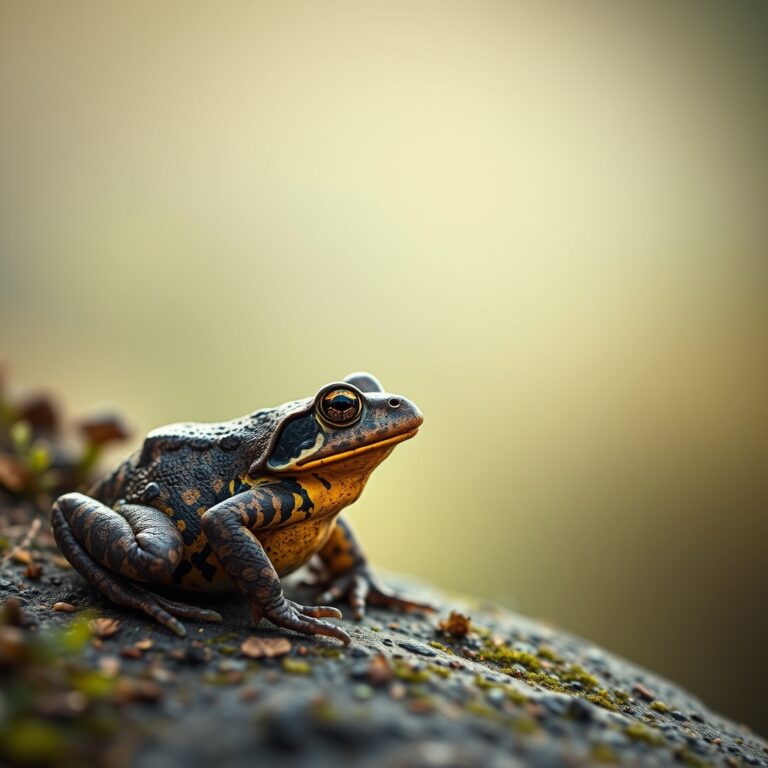
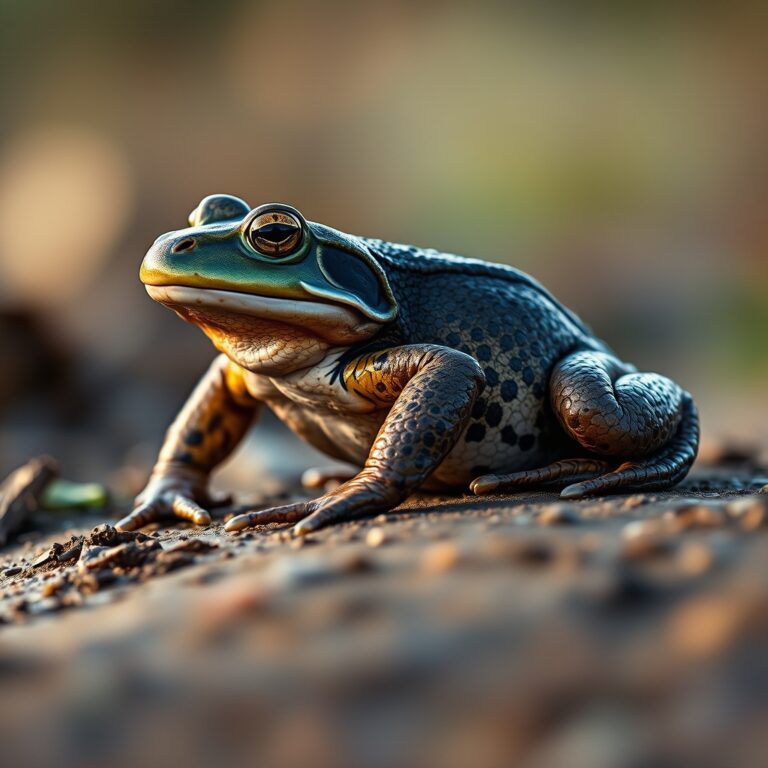
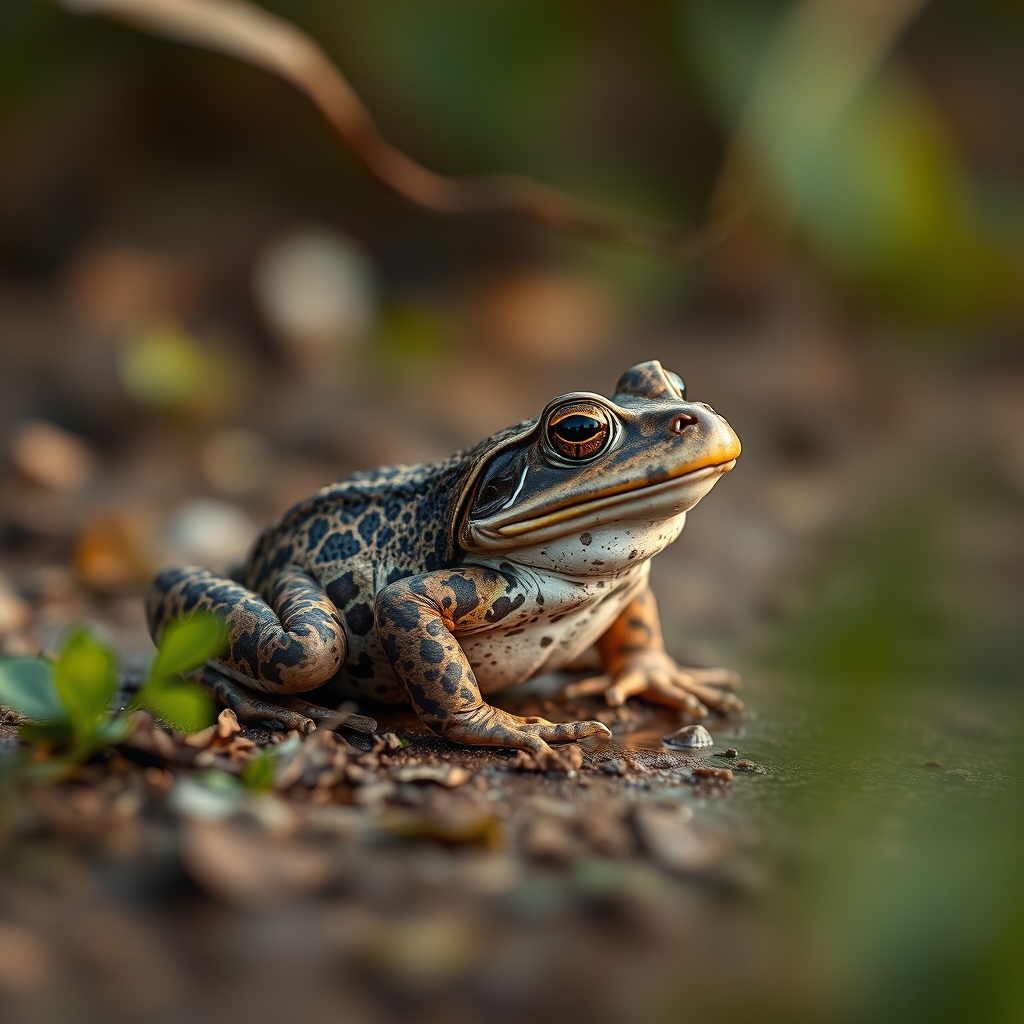
The American Bullfrog belongs to the family Ranidae, which comprises over 600 species of frogs. It is characterized by its large size, green or greenish-brown coloration, and distinctive rounded eardrums. Adults can grow up to 8 inches (20 cm) in length and weigh up to 1.5 pounds (680 grams).
Natural Habitat and Distribution
American Bullfrogs are native to eastern North America, from Canada to Florida, and west to the Great Plains. They inhabit freshwater environments, such as ponds, lakes, and slow-moving streams, and are often found in areas with abundant vegetation and still or slow-moving water.
Behaviour
American Bullfrogs are carnivorous and opportunistic feeders, consuming a wide range of aquatic animals, including fish, crayfish, and other frogs. They are also known to eat birds, snakes, and small mammals. During the breeding season, males engage in loud, deep calls to attract females, which lay up to 20,000 eggs in a single clutch.
Diet
American Bullfrogs are voracious predators, feeding on a wide range of aquatic animals, including fish, crayfish, and other frogs. They also consume birds, snakes, and small mammals. In captivity, they can be fed a diet of commercial frog pellets, supplemented with live or frozen foods, such as crickets and mealworms.
Care or Responsible Observation
When observing American Bullfrogs in the wild, it is essential to maintain a safe distance and avoid disturbing their habitat. In captivity, they require a large, well-ventilated enclosure with a heat source, UVB lighting, and a shallow water area for swimming. A varied diet and regular veterinary check-ups are also crucial for their health and well-being.
Diet
American Bullfrogs are voracious predators, feeding on a wide range of aquatic animals, including fish, crayfish, and other frogs. They also consume birds, snakes, and small mammals. In captivity, they can be fed a diet of commercial frog pellets, supplemented with live or frozen foods, such as crickets and mealworms.
Health, Welfare, and Conservation
American Bullfrogs are susceptible to various health issues, including metabolic bone disease, respiratory infections, and parasites. In the wild, they are threatened by habitat destruction, pollution, and the introduction of non-native species. Conservation efforts focus on protecting their habitats, controlling invasive species, and promoting sustainable frog farming practices.
Practical Takeaways
- Avoid releasing non-native American Bullfrogs into the wild, as they can outcompete native species for resources and habitat.
- Support conservation efforts by choosing sustainable, locally sourced frog products.
- Provide proper care and housing for captive American Bullfrogs, including a varied diet and regular veterinary check-ups.
Frequently Asked Questions
What is the average lifespan of an American Bullfrog?
In captivity, American Bullfrogs can live up to 6-8 years, while in the wild, their lifespan is typically 2-4 years.
Can American Bullfrogs be kept as pets?
Yes, American Bullfrogs can be kept as pets, but they require specialized care and housing. It is essential to research and understand their needs before deciding to keep them as pets.
Are American Bullfrogs endangered?
No, American Bullfrogs are not currently considered endangered, but their populations are declining in some areas due to habitat destruction and other environmental factors.
What is the largest American Bullfrog ever recorded?
The largest American Bullfrog ever recorded was 8.2 inches (20.8 cm) in length and weighed 1.9 pounds (862 grams).
Can American Bullfrogs be found in other parts of the world?
Yes, American Bullfrogs have been introduced to other parts of the world, including Europe, Asia, and South America, often through the pet trade or as a food source.
Sources
- International Union for Conservation of Nature (IUCN). (2020). Lithobates catesbeianus.
- National Geographic. (n.d.). American Bullfrog.
- Smithsonian’s National Zoo & Conservation Biology Institute. (n.d.). American Bullfrog.
Important Notice: If you suspect that your American Bullfrog is ill or injured, please consult a qualified veterinarian experienced in amphibian care. They can provide professional advice and treatment to ensure the best possible outcome for your pet.
Life Cycle and Development
American Bullfrogs undergo a complex life cycle, consisting of three distinct stages: egg, tadpole, and adult. The breeding season typically occurs in the spring and early summer, with males engaging in a loud, deep call to attract females. Females lay their eggs in clusters on the surface of the water, which can number up to 20,000 eggs per clutch. The eggs hatch into tadpoles after 3-5 days, and these aquatic larvae feed on algae and small invertebrates. As they grow, they undergo metamorphosis, developing limbs, losing their gills, and transforming into juvenile frogs. This process can take several weeks to months, depending on environmental factors such as temperature and food availability.
Communication and Senses
American Bullfrogs possess a range of sensory organs that enable them to navigate and interact with their environment. Their large, round eyes are sensitive to movement and changes in light, while their tympanic membranes (eardrums) allow them to detect vibrations and sounds. They also have a highly developed sense of smell, which helps them locate prey and detect potential threats. In addition to their visual and auditory cues, bullfrogs use a variety of vocalizations to communicate, including a deep, resonant call used for mating and territorial defense.
Seasonal Variation and Adaptation
American Bullfrogs exhibit adaptations to cope with seasonal changes in their environment. During the winter months, they burrow into the sediment at the bottom of ponds and lakes, entering a state of dormancy known as brumation. This allows them to conserve energy and survive the cold temperatures. In the spring, they emerge from their burrows and begin the breeding cycle anew. In areas with mild winters, bullfrogs may remain active year-round, although their activity levels may decrease during periods of extreme cold or drought.
Ecological Relationships and Impact
As a keystone species, American Bullfrogs play a crucial role in their ecosystem, influencing the populations of other aquatic animals. They prey on a wide range of invertebrates and vertebrates, helping to regulate their numbers and maintain the balance of the ecosystem. However, their introduction to non-native habitats has raised concerns about their potential impact on local wildlife. In some areas, bullfrogs have been known to outcompete native species for resources, leading to declines in native populations.
Research and Conservation Efforts
Scientists are working to better understand the ecological role of American Bullfrogs and the impacts of their introduction to non-native habitats. Research has focused on the development of effective management strategies to mitigate the negative effects of bullfrog invasions, such as the use of biological control agents and habitat modification. Additionally, conservation efforts are underway to protect and restore native habitats, reducing the likelihood of bullfrog introductions and promoting the recovery of native species.
Responsible Enrichment and Captivity
For those interested in keeping American Bullfrogs in captivity, it is essential to provide a suitable environment that meets their specific needs. This includes a large, escape-proof enclosure with a heat source, UVB lighting, and a varied diet that includes a range of live insects and invertebrates. It is also crucial to ensure that captive bullfrogs are not released into the wild, as this can lead to the establishment of non-native populations and harm local ecosystems.
Ethical and Legal Considerations
The capture and trade of American Bullfrogs are regulated by laws and international agreements, such as the Convention on International Trade in Endangered Species of Wild Fauna and Flora (CITES). It is essential to ensure that any collection or trade of bullfrogs is done in accordance with local and national regulations, and that the welfare of the animals is prioritized. Additionally, the release of non-native bullfrogs into the wild is often prohibited, and can result in significant fines and penalties.
Ecological Consequences of Invasive Populations
The introduction of American Bullfrogs to non-native habitats has significant ecological consequences, affecting native species and ecosystems in various ways. As a voracious predator, the American Bullfrog can outcompete native predators for food resources, leading to a decline in their populations. This, in turn, can have cascading effects on the entire ecosystem, as native predators play crucial roles in maintaining the balance of their respective ecosystems.
In addition to predation, American Bullfrogs can also alter the composition of native species through competition for resources such as food, shelter, and breeding sites. For example, they can outcompete native frogs and toads for breeding sites, leading to a decline in the populations of these species. Furthermore, American Bullfrogs can also introduce new diseases and parasites to native species, which can have devastating effects on populations that have no immunity to these pathogens.
Research and Monitoring Efforts
To better understand the ecological consequences of invasive American Bullfrog populations, researchers have been conducting studies on their behavior, ecology, and impact on native species. These studies have shown that American Bullfrogs can have significant effects on native ecosystems, and that their introduction can lead to a decline in biodiversity.
Researchers have also been working to develop effective methods for controlling invasive American Bullfrog populations, such as manual removal, trapping, and biological control methods. However, these methods can be time-consuming, expensive, and often have limited success. Therefore, prevention of introduction and early detection of invasive populations are crucial for mitigating the ecological consequences of American Bullfrog invasions.
Responsible Enrichment in Captivity
American Bullfrogs are popular pets, and many people keep them in captivity. However, it is essential to provide these animals with responsible enrichment to ensure their physical and mental well-being. This includes providing a suitable enclosure that mimics their natural habitat, with adequate space, temperature, humidity, and lighting.
In addition to providing a suitable enclosure, owners should also provide their American Bullfrogs with a varied and nutritious diet, as well as opportunities for exercise and mental stimulation. This can include providing hiding places, climbing structures, and sensory stimulation, such as visual and auditory stimuli.
Ethical Considerations for Captive Breeding
The captive breeding of American Bullfrogs raises several ethical considerations. On one hand, captive breeding can help to reduce the demand for wild-caught individuals, which can help to conserve wild populations. On the other hand, captive breeding can also lead to the creation of invasive populations, as captive-bred individuals can escape or be released into the wild.
Therefore, it is essential to ensure that captive breeding programs are designed and implemented responsibly, with measures in place to prevent escape and ensure that captive-bred individuals do not enter the wild. This includes ensuring that enclosures are secure, and that breeding programs are regulated and monitored by relevant authorities.