Introduction
Caecilians are fascinating, legless amphibians that are often misunderstood due to their unique appearance and habits. They belong to the order Gymnophiona, which comprises over 200 species, ranging in size, color, and behavior. Caecilians are found in tropical and subtropical regions around the world, and they play a vital role in their ecosystems as both predators and prey.
| Scientific Name | Order | Family | Conservation Status |
|---|---|---|---|
| Gymnophiona | Gymnophiona | Caeciliidae | Vulnerable to Endangered |
Taxonomy and Identification
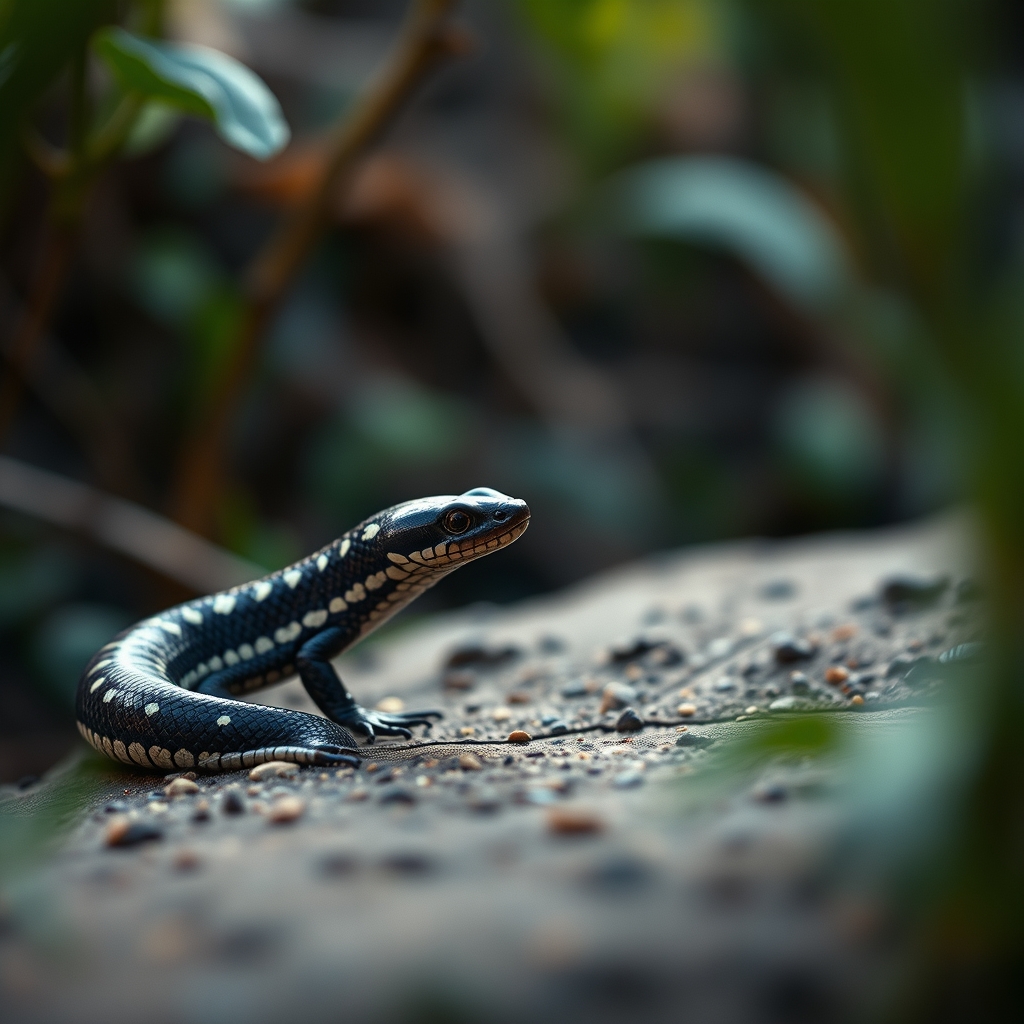
Caecilians are classified as amphibians, but they are distinct from frogs and toads due to their elongated, snake-like bodies and lack of limbs. They have a smooth, moist skin that is often brown or gray in color, and they range in size from 10 to 150 cm in length. Caecilians have a distinctive head shape, with a short, blunt snout and a pair of small eyes.
There are over 200 species of caecilians, and they are divided into 10 families. The most common families are Caeciliidae, Dermophiidae, and Siphonopidae. Caecilians can be identified by their unique characteristics, such as their body shape, skin texture, and color patterns.
Natural Habitat and Distribution
Caecilians are found in tropical and subtropical regions around the world, including Central and South America, Africa, and Southeast Asia. They inhabit a variety of habitats, including rainforests, grasslands, and wetlands. Caecilians are burrowing animals and spend most of their time underground, where they feed on invertebrates and small vertebrates.
Caecilians are adapted to living in humid environments, and they are often found in areas with high levels of rainfall. They are also found in areas with loose soil, which allows them to burrow easily.
Behaviour
Caecilians are solitary animals and only come together during the breeding season. They are nocturnal, which means they are active at night, and they spend most of their time underground. Caecilians are carnivorous, and they feed on invertebrates, such as earthworms and insects, as well as small vertebrates, such as frogs and lizards.
Caecilians are also known for their unique mating behavior. During the breeding season, males will engage in a complex courtship ritual, which involves vibrating their bodies and releasing pheromones to attract females. After mating, females will lay their eggs in a burrow, and the males will fertilize them.
Diet
Caecilians are carnivorous, and they feed on a variety of invertebrates and small vertebrates. Their diet includes earthworms, insects, frogs, lizards, and even small snakes. Caecilians have a unique way of eating, using their pointed snout to capture prey and their teeth to grasp and manipulate it.
In captivity, caecilians can be fed a diet of live insects, such as crickets and mealworms, as well as small vertebrates, such as pinkie mice. It is essential to provide a varied diet to ensure that caecilians receive all the necessary nutrients.
Daily Needs
Caecilians have specific daily needs that must be met in order to thrive. They require a humid environment, with a temperature range of 75-85°F (24-29°C) and a humidity level of 60-80%. They also need a substrate that allows them to burrow easily, such as a mix of soil and sand.
Caecilians need access to a shallow water dish for drinking and soaking. They also require a hiding place or two, such as a log or a rock, to provide them with a sense of security.
Warning Signs
Caecilians can be prone to certain health issues, such as respiratory infections and skin problems. It is essential to monitor their behavior and appearance daily, looking for signs of illness or stress.
Some warning signs to look out for include lethargy, loss of appetite, and changes in skin color or texture. If you notice any of these signs, it is essential to consult with a veterinarian experienced in caring for amphibians.
Responsible Care or Conservation
Caecilians are fascinating creatures that can make interesting and rewarding pets for experienced amphibian enthusiasts. However, they do require specialized care and housing.
If you are considering keeping a caecilian as a pet, it is essential to do plenty of research and understand their specific needs and requirements. You should also check local laws and regulations regarding the capture and keeping of wild animals.
In the wild, caecilians play a vital role in their ecosystems, and their populations are often threatened by habitat destruction and degradation. It is essential to support conservation efforts and protect their habitats to ensure the long-term survival of these fascinating creatures.
Practical Takeaways
- Caecilians are fascinating, legless amphibians that require specialized care and housing.
- They are carnivorous, and their diet includes invertebrates and small vertebrates.
- Caecilians have specific daily needs, including a humid environment and a substrate that allows them to burrow easily.
- They can be prone to certain health issues, such as respiratory infections and skin problems.
- It is essential to support conservation efforts and protect their habitats to ensure the long-term survival of these fascinating creatures.
Frequently Asked Questions
What is the average lifespan of a caecilian?
The average lifespan of a caecilian is 10-15 years in captivity.
Can caecilians be handled?
Caecilians are not typically considered handleable animals, as they are sensitive to stress and can be injured easily.
How often should I feed my caecilian?
Caecilians should be fed 2-3 times a week, depending on their age, size, and activity level.
Can caecilians be kept in a terrarium with other animals?
No, caecilians should be kept alone, as they are solitary animals and can be stressed by the presence of other animals.
How can I tell if my caecilian is healthy?
A healthy caecilian should have a smooth, moist skin, and be active and alert. Look for signs of illness or stress, such as lethargy, loss of appetite, and changes in skin color or texture.
Sources
- National Geographic. (n.d.). Caecilian. Retrieved from
- Smithsonian’s National Zoo & Conservation Biology Institute. (n.d.). Caecilian. Retrieved from
- AmphibiaWeb. (n.d.). Caecilian. Retrieved from
Please note that the information provided in this article is for educational purposes only and should not be considered as veterinary advice. If you have any concerns about the health or well-being of your caecilian, please consult with a veterinarian experienced in caring for amphibians.
Life Cycle and Development
Caecilians undergo a complex life cycle, which involves both aquatic and terrestrial environments. The reproductive cycle of caecilians typically begins with courtship, where males engage in a series of complex behaviors to attract females. Once mating occurs, females lay their eggs in a protected location, such as under rocks or in burrows. The eggs hatch into aquatic larvae, which feed on small invertebrates and algae.
As the larvae grow, they undergo metamorphosis, developing lungs and losing their gills. This process can take several weeks to months, depending on the species and environmental conditions. Once metamorphosis is complete, the young caecilians emerge onto land, where they begin their terrestrial life cycle.
Caecilians can live for several years in captivity, with some species reported to live up to 10 years. In the wild, their lifespan is typically shorter, ranging from 2 to 5 years, due to predation, disease, and environmental stressors.
Communication and Senses
Caecilians have a unique set of sensory organs that allow them to navigate their environment. They have a highly developed sense of smell, which they use to detect prey and predators. Their eyes are relatively small, but they are sensitive to light and dark, allowing them to detect movement and changes in their surroundings.
Caecilians also have a lateral line system, which is a network of sensory organs that detect vibrations in the water. This system is thought to be used for communication and navigation, particularly in aquatic environments.
In terms of communication, caecilians use a variety of signals, including chemical cues, visual displays, and vibrational signals. They are able to detect the presence of other caecilians through chemical signals, which are thought to play a role in mate selection and territorial behavior.
Seasonal Variation and Ecological Relationships
Caecilians are ectothermic, meaning that their body temperature is regulated by the environment. As a result, their activity levels and behavior vary with the seasons. In tropical regions, caecilians are active year-round, while in subtropical regions, they may experience a period of dormancy during the winter months.
Caecilians play a vital role in their ecosystems, serving as both predators and prey. They feed on a variety of invertebrates, including insects, worms, and snails, which helps to regulate their populations. In turn, caecilians are preyed upon by a range of animals, including birds, snakes, and other predators.
Caecilians also have a complex relationship with their environment. They are able to burrow into soil and hide in underground cavities, which helps to regulate their body temperature and protect them from predators. However, this behavior can also have negative impacts on their ecosystems, as it can lead to soil erosion and changes in soil structure.
Research and Conservation Efforts
Caecilians are an understudied group of animals, and as a result, there is a need for further research into their biology and ecology. Scientists are working to study the behavior, ecology, and conservation of caecilians, with a focus on understanding their role in their ecosystems and the impacts of human activities on their populations.
Conservation efforts are also underway to protect caecilian populations and their habitats. This includes the establishment of protected areas, such as national parks and wildlife reserves, as well as efforts to reduce habitat destruction and degradation.
In addition, researchers are working to develop sustainable and responsible practices for the care and management of caecilians in captivity. This includes the development of guidelines for the care and husbandry of caecilians, as well as efforts to promote education and awareness about these fascinating animals.
Responsible Enrichment and Ethical Considerations
Caecilians have specific enrichment needs that must be met in order to ensure their physical and psychological well-being. This includes providing them with a stimulating environment that includes hiding places, burrowing opportunities, and a varied diet.
In addition, there are ethical considerations that must be taken into account when caring for caecilians. This includes ensuring that they are obtained from sustainable and responsible sources, and that their care and management is guided by the principles of animal welfare and conservation.
Overall, caecilians are fascinating animals that require specialized care and management. By understanding their biology, ecology, and behavior, we can work to promote their conservation and welfare, while also appreciating their unique characteristics and traits.