Introduction
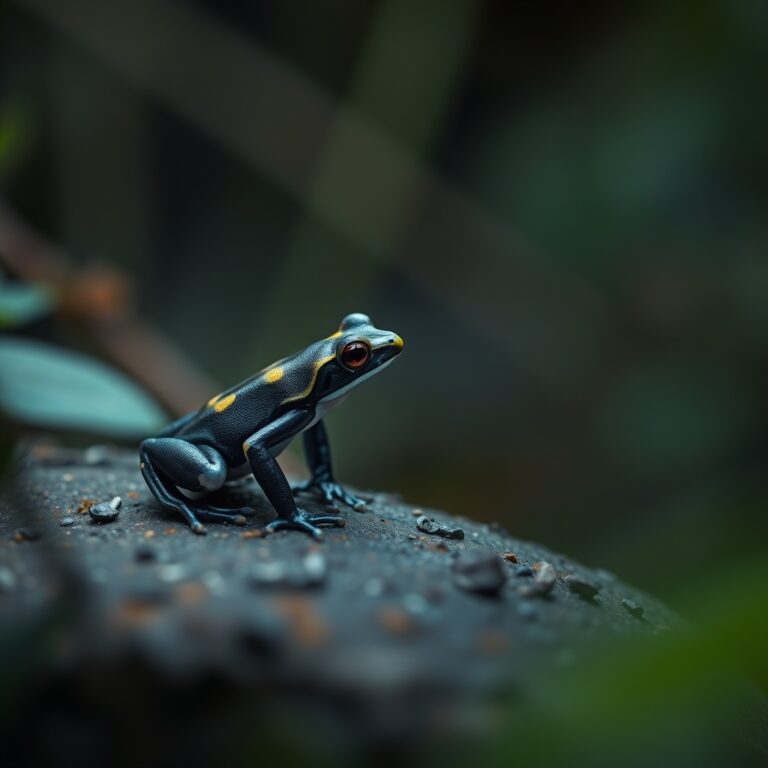
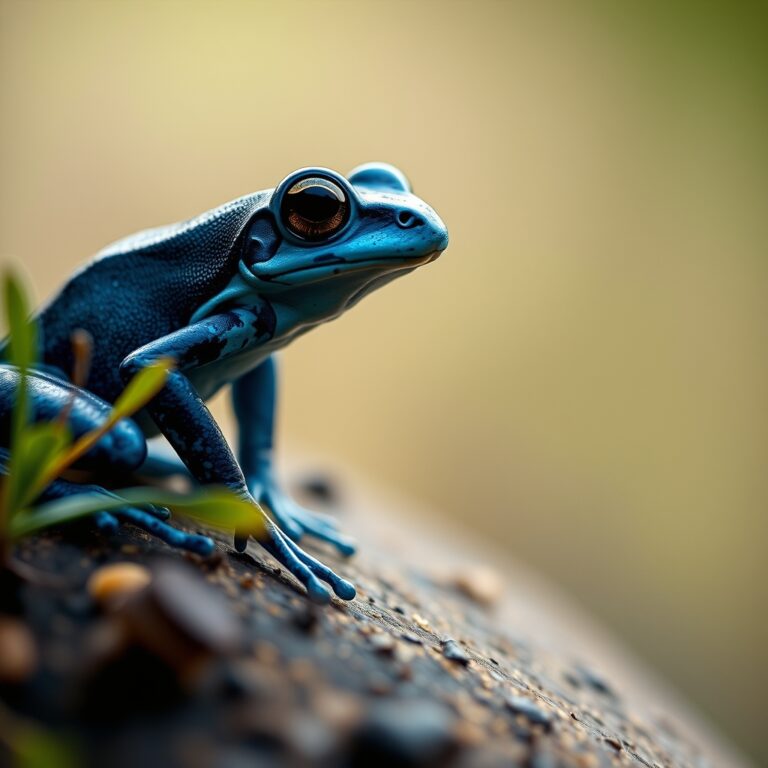
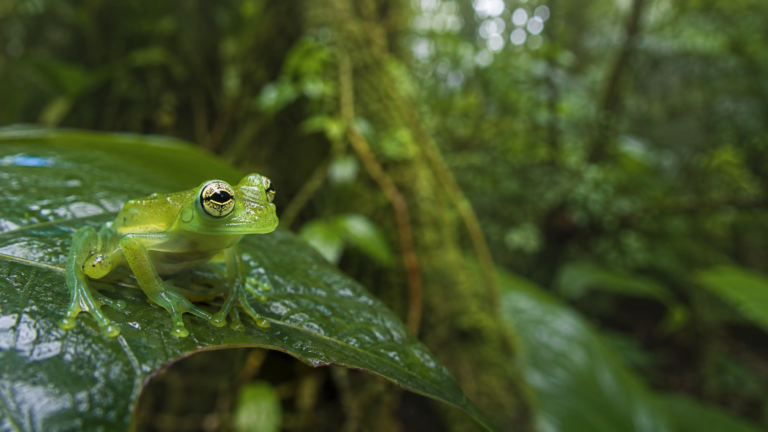
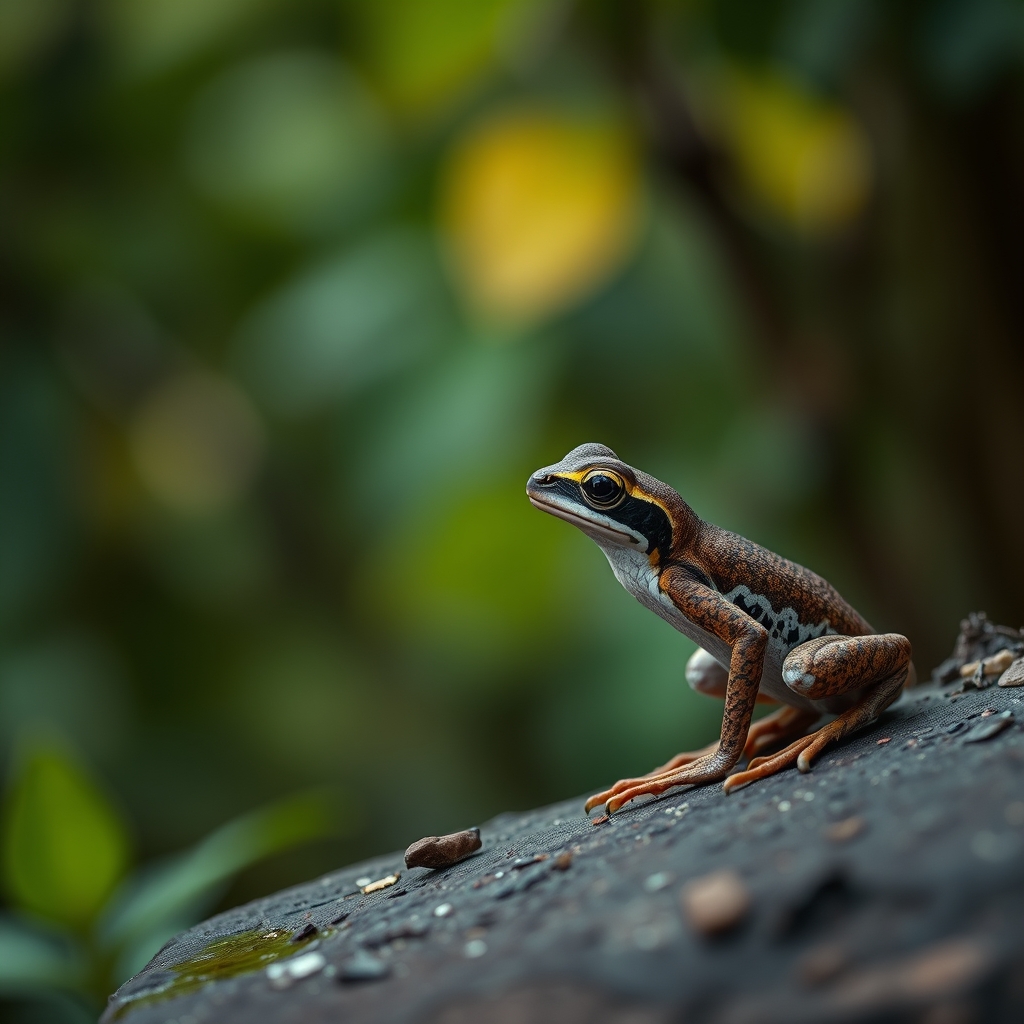
The Coquí (Eleutherodactylus coqui) is a small, terrestrial frog endemic to Puerto Rico. It is the smallest native frog species in the island and is known for its distinctive call, which sounds like a loud, high-pitched ‘ko-kee’. This tiny amphibian plays a vital role in the ecosystem, serving as both predator and prey in its native habitat.
| Scientific Name | Eleutherodactylus coqui |
|---|---|
| Common Name | Coquí |
| Family | Eleutherodactylidae |
| Conservation Status | Least Concern |
Taxonomy and Identification
The Coquí belongs to the family Eleutherodactylidae, a group of frogs commonly known as ‘robber frogs’ or ‘coquís’. It is a member of the genus Eleutherodactylus, which comprises over 180 species of frogs. The Coquí is characterized by its small size, reaching lengths of approximately 1.5-2.5 cm (0.6-1 in). Its dorsal surface is brown or grayish-brown, with a distinctive white or yellowish-white stripe running along its back.
Natural Habitat and Distribution
The Coquí is found in a variety of habitats, including forests, grasslands, and wetlands. It is widely distributed throughout Puerto Rico, including the islands of Mona and Vieques. This tiny frog is often found in areas with high humidity and moderate temperatures, typically between 20-30°C (68-86°F).
Behaviour
The Coquí is a primarily nocturnal species, spending most of its time hiding in leaf litter, under rocks, or in burrows. It is an insectivorous species, feeding on small invertebrates such as ants, beetles, and flies. The Coquí is also known for its unique mating behavior, where males will often engage in loud calling competitions to attract females.
Diet
The Coquí is an insectivorous species, feeding on small invertebrates such as ants, beetles, and flies. Its diet consists mainly of small, soft-bodied insects that are abundant in its native habitat.
Daily Needs
In captivity, the Coquí requires a diet rich in live insects, such as fruit flies, pinhead crickets, and small mealworms. A shallow water dish is also necessary for drinking and soaking. The enclosure should be maintained at a temperature range of 20-25°C (68-77°F) and humidity levels between 60-80%.
Warning Signs
Coquís are sensitive to environmental changes and can be prone to stress. Warning signs of stress include changes in appetite, skin discoloration, and abnormal behavior. If you notice any of these signs, it is essential to consult a veterinarian experienced in amphibian care.
Responsible Care or Conservation
The Coquí is listed as Least Concern on the IUCN Red List, but its populations are declining due to habitat destruction and the introduction of invasive species. Responsible care and conservation efforts are necessary to protect this species and its habitat. If you are interested in keeping Coquís as pets, make sure to research and understand their specific needs and requirements.
What is the average lifespan of a Coquí?
The average lifespan of a Coquí in the wild is approximately 2-3 years, while in captivity, they can live up to 5-7 years with proper care and management.
Can Coquís be handled?
No, Coquís are delicate and sensitive animals that should not be handled excessively. Handling can cause stress and injury to the animal, and it is recommended to minimize handling to only when necessary.
How often should I feed my Coquí?
Coquís should be fed 2-3 times a week, depending on their age, size, and activity level. It is essential to provide a varied and nutritious diet to ensure the animal’s optimal health.
What is the ideal enclosure size for a Coquí?
The ideal enclosure size for a Coquí is a 10-20 gallon aquarium or terrarium, with a secure lid to prevent escape. The enclosure should be well-ventilated and maintained at a temperature range of 20-25°C (68-77°F).
Sources
- International Union for Conservation of Nature (IUCN) Red List
- National Geographic: Coquí Frog
- Smithsonian’s National Zoo & Conservation Biology Institute: Coquí Frog
Important Notice: If you suspect that your Coquí is sick or injured, please consult a veterinarian experienced in amphibian care. They can provide professional advice and treatment to ensure the animal’s optimal health and well-being.
### Life Cycle
The Coquí’s life cycle is typical of many frog species. The female Coquí lays her eggs on land, usually in a humid, protected area such as under a leaf or in a burrow. The eggs hatch into tadpoles after several days, and the tadpoles then undergo metamorphosis, eventually developing into juvenile frogs. The juvenile Coquís will go through a series of molts as they grow and develop, eventually reaching adulthood after several months. The Coquí’s life cycle is influenced by environmental factors such as temperature, humidity, and food availability.
### Communication and Senses
The Coquí is known for its distinctive call, which sounds like a loud, high-pitched ‘ko-kee’. This call is used for communication, particularly during the breeding season. The Coquí also uses visual cues, such as posturing and display, to communicate with other Coquís. In terms of senses, the Coquí has poor eyesight, but is highly sensitive to touch and vibrations. It uses its sensitive pads to detect prey and navigate its environment.
### Seasonal Variation
The Coquí’s behavior and physiology are influenced by seasonal changes in its environment. During the dry season, the Coquí will often estivate, burrowing into the soil to conserve energy and water. During the wet season, the Coquí is more active, emerging from its burrows to forage for food and breed. The Coquí’s diet also varies seasonally, with the frog eating more insects and other small invertebrates during the wet season.
### Ecological Relationships
The Coquí plays a vital role in its ecosystem, serving as both predator and prey. The Coquí feeds on small invertebrates, such as insects and worms, helping to regulate their populations. In turn, the Coquí is preyed upon by larger animals, such as birds, snakes, and other predators. The Coquí also has a symbiotic relationship with certain species of fungi, which help to break down organic matter and recycle nutrients.
### Research
The Coquí has been the subject of several research studies, particularly in the fields of ecology and conservation biology. Scientists have studied the Coquí’s behavior, physiology, and population dynamics, as well as its role in its ecosystem. The Coquí has also been used as a model organism in studies of frog development and evolution.
### Responsible Enrichment
In captivity, the Coquí requires a stimulating environment to thrive. Providing a varied and naturalistic enclosure, complete with plants, rocks, and other features, can help to enrich the Coquí’s environment. The Coquí also benefits from a varied diet, including live insects and other small invertebrates. Handling the Coquí gently and infrequently can also help to reduce stress and promote well-being.
### Ethical and Legal Considerations
The Coquí is a protected species in Puerto Rico, and its capture and trade are regulated by law. In captivity, the Coquí requires specialized care and housing, and its welfare should be a top priority. The Coquí’s conservation status is currently listed as Least Concern, but habitat destruction and other human activities pose a threat to its populations. As such, responsible and sustainable practices are essential for the Coquí’s long-term survival.
Life Cycle
The Coquí’s life cycle is characterized by a complex process of metamorphosis, which involves a series of physical transformations from egg to tadpole to adult frog. Female Coquís lay their eggs on land, typically in a protected area such as under a leaf or in a burrow. The eggs hatch into tadpoles after several days, which then undergo metamorphosis, developing lungs, losing their gills, and transforming into small frogs. This process can take several weeks to months, depending on environmental factors such as temperature and humidity.
Communication and Senses
Coquís use a variety of methods to communicate with each other, including vocalizations, visual displays, and chemical signals. The male Coquí’s distinctive call, which sounds like a loud, high-pitched ‘ko-kee’, is used to attract females and establish territory. They also use visual displays, such as posturing and color changes, to communicate with other Coquís. In addition, they have a well-developed sense of smell, which they use to detect predators and prey.
Seasonal Variation
The Coquí’s behavior and physiology vary depending on the season. During the dry season, they tend to be more active at night, seeking out moist areas such as near water sources or under leaf litter. During the wet season, they are more active during the day, taking advantage of the increased humidity and food availability. Their diet also varies depending on the season, with a greater emphasis on insects during the wet season.
Ecological Relationships
The Coquí plays a vital role in its ecosystem, serving as both predator and prey. They feed on a variety of invertebrates, including insects, spiders, and snails, helping to regulate their populations. In turn, they are preyed upon by a variety of animals, including birds, lizards, and other frogs. They also have a symbiotic relationship with certain species of ants, which help to protect them from predators.
Research
The Coquí has been the subject of several research studies, particularly in the areas of ecology, behavior, and conservation. Scientists have studied their population dynamics, habitat use, and behavior, as well as their role in the ecosystem. They have also been used as a model organism in studies of amphibian development and evolution.
Responsible Enrichment
In captivity, Coquís require a stimulating environment that mimics their natural habitat. This includes providing a varied diet, a suitable enclosure with hiding places and visual barriers, and a temperature and humidity gradient. They also require regular handling and social interaction, which can help to reduce stress and promote well-being.
Ethical and Legal Considerations
The Coquí is a protected species in Puerto Rico, and their capture and trade are regulated by law. In addition, they are subject to international regulations, including the Convention on International Trade in Endangered Species of Wild Fauna and Flora (CITES). As a result, it is essential to ensure that any capture, trade, or keeping of Coquís is done in a responsible and sustainable manner, with proper permits and licenses.