Introduction
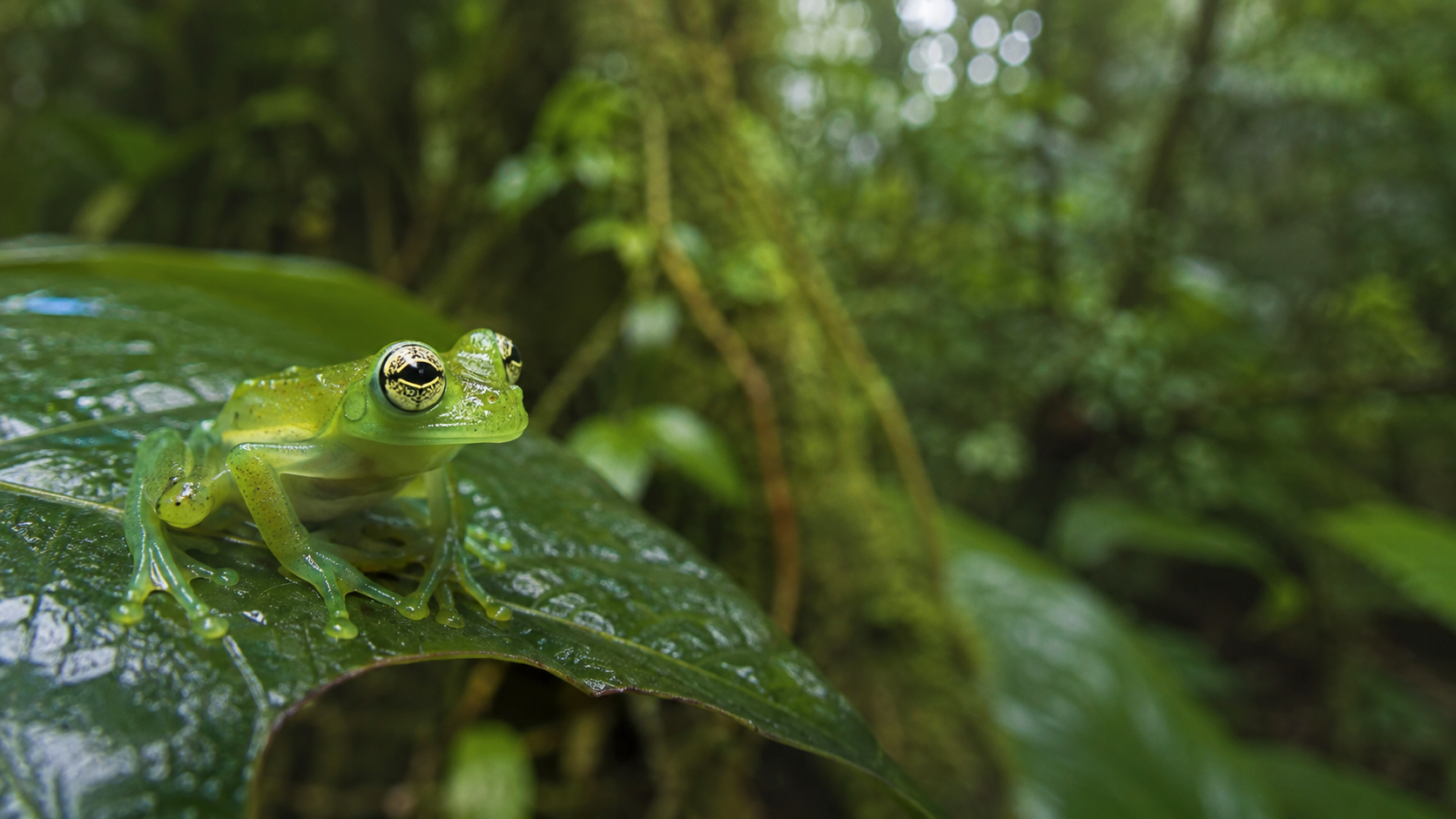
The Glass Frog, a fascinating and unique amphibian, has captivated the attention of scientists and animal enthusiasts alike. Belonging to the family Centrolenidae, these frogs are characterized by their striking transparent skin, which allows their internal organs to be visible. In this article, we will delve into the world of Glass Frogs, exploring their taxonomy, natural habitat, behavior, diet, and conservation status.
Quick Reference Table
| Scientific Name | Centrolenidae |
|---|---|
| Common Name | Glass Frog |
| Family | Centrolenidae |
| Habitat | Tropical rainforests, near water sources |
| Diet | Insects, small invertebrates |
| Conservation Status | Vulnerable |
Taxonomy and Identification
Glass Frogs belong to the family Centrolenidae, which comprises over 150 species. These frogs are characterized by their transparent skin, which allows their internal organs to be visible. They have a slender body, long legs, and a distinctive golden or yellow coloration on their backs. Glass Frogs range in size from 2 to 5 cm (0.8 to 2 inches) in length.
Natural Habitat and Distribution
Glass Frogs are found in the tropical rainforests of Central and South America, from Mexico to Ecuador. They inhabit areas near water sources, such as streams, rivers, and ponds. These frogs are arboreal, spending most of their time in trees and shrubs, where they hunt for insects and small invertebrates.
Behaviour
Glass Frogs are nocturnal animals, spending most of their time hiding in vegetation during the day. At night, they emerge to hunt for food and mate. Males will often engage in vocal displays to attract females, using a high-pitched call to signal their presence. Glass Frogs are also known to be territorial, with males defending their territory from other males.
Diet
Glass Frogs are carnivorous, feeding on insects and small invertebrates. They have a long, sticky tongue that they use to catch their prey. In captivity, Glass Frogs are fed a diet of live insects, such as fruit flies and crickets.
Habitat and Care
Glass Frogs are sensitive to their environment and require a specific set of conditions to thrive. In captivity, they require a well-ventilated, humid enclosure with a temperature range of 20-25°C (68-77°F). A shallow water dish and a hiding place or two are also essential. It is recommended that only experienced amphibian enthusiasts attempt to care for Glass Frogs, as they require specialized care and attention.
Daily Needs
Glass Frogs require a specific set of conditions to thrive. In captivity, they need a well-ventilated, humid enclosure with a temperature range of 20-25°C (68-77°F). A shallow water dish and a hiding place or two are also essential. It is recommended that only experienced amphibian enthusiasts attempt to care for Glass Frogs, as they require specialized care and attention.
Warning Signs
When caring for Glass Frogs, it is essential to monitor their health closely. Warning signs of illness or stress include changes in appetite, skin discoloration, and lethargy. If you notice any of these signs, it is crucial to seek the advice of a qualified veterinarian experienced in amphibian care.
Responsible Care or Conservation
Glass Frogs are vulnerable to habitat destruction, pollution, and climate change. To help conserve these unique animals, it is essential to support organizations that work to protect their habitats and reduce the impact of human activities on their populations. Additionally, responsible pet ownership is crucial, and only experienced amphibian enthusiasts should attempt to care for Glass Frogs.
Practical Takeaways
- Glass Frogs require specialized care and attention.
- They need a well-ventilated, humid enclosure with a temperature range of 20-25°C (68-77°F).
- A shallow water dish and a hiding place or two are essential.
- Monitor their health closely, and seek the advice of a qualified veterinarian if you notice any signs of illness or stress.
Frequently Asked Questions
What is the average lifespan of a Glass Frog?
The average lifespan of a Glass Frog is 5-7 years in captivity.
Can Glass Frogs be handled?
No, Glass Frogs are sensitive to handling and should be avoided. They have delicate skin that can be easily damaged.
What is the best food for Glass Frogs?
Glass Frogs are carnivorous and should be fed a diet of live insects, such as fruit flies and crickets.
Can Glass Frogs be kept in a group?
No, Glass Frogs are territorial and should be kept alone. Keeping them in a group can lead to stress and fighting.
How can I help conserve Glass Frogs?
You can help conserve Glass Frogs by supporting organizations that work to protect their habitats and reduce the impact of human activities on their populations.
Sources
- International Union for Conservation of Nature (IUCN). (2022). Centrolenidae.
- National Geographic. (2022). Glass Frogs.
- Amphibian Ark. (2022). Glass Frogs.
Important Notice: If you suspect that your Glass Frog is ill or injured, please seek the advice of a qualified veterinarian experienced in amphibian care. They can provide you with the best course of action to ensure the health and well-being of your pet.
Life Cycle
Glass Frogs have a unique life cycle, which is adapted to their environment. They start their lives as eggs, which are typically laid on the underside of leaves or on branches near water sources. The female Glass Frog can lay up to 20 eggs at a time, which are then fertilized by the male. The eggs hatch into tadpoles after about 2-3 weeks, and these tadpoles go through a series of developmental stages before metamorphosing into young frogs. This process can take several months, during which time the tadpoles are vulnerable to predators and environmental changes.
Communication and Senses
Glass Frogs have a range of communication methods, including vocalizations, visual displays, and chemical signals. They use their vocalizations to attract mates and defend their territories, and they also use visual displays such as posturing and color changes to communicate with other frogs. In terms of their senses, Glass Frogs have excellent eyesight and can see in multiple directions at once, thanks to their wide-set eyes. They also have a keen sense of hearing and can detect vibrations in the water and on land.
Seasonal Variation
Glass Frogs are adapted to the changing seasons in their tropical rainforest environment. During the dry season, they may estivate, burrowing into the soil or hiding in underground burrows to conserve energy and water. When the wet season arrives, they emerge and begin to breed and forage for food. This seasonal variation in their behavior is crucial for their survival, as it allows them to make the most of the available resources in their environment.
Ecological Relationships
Glass Frogs play an important role in their ecosystems, serving as both predators and prey for other animals. They feed on insects and other small invertebrates, helping to regulate their populations and maintain the balance of the ecosystem. In turn, Glass Frogs are preyed upon by larger animals such as birds, snakes, and other predators. They also have symbiotic relationships with certain species of algae and bacteria, which live on their skin and help to provide them with nutrients.
Research and Conservation Efforts
Glass Frogs are an important subject of research, particularly in the fields of ecology, evolution, and conservation biology. Scientists are studying their behavior, physiology, and population dynamics in order to better understand their role in the ecosystem and how to protect them. Conservation efforts are also underway, including the establishment of protected areas and the development of breeding programs for endangered species. Additionally, researchers are working to understand the impact of climate change and habitat destruction on Glass Frog populations, and to develop strategies for mitigating these effects.
Responsible Enrichment and Captivity
Glass Frogs are popular among amphibian enthusiasts and are sometimes kept in captivity. However, it is essential to ensure that their care and housing meet their specific needs and provide them with a stimulating environment. This includes providing a suitable enclosure with adequate ventilation, temperature, and humidity, as well as a varied diet and opportunities for exercise and social interaction. It is also crucial to ensure that the capture and trade of Glass Frogs are carried out in a responsible and sustainable manner, in order to avoid harming wild populations and ecosystems.
Ethical and Legal Considerations
The capture, trade, and keeping of Glass Frogs are subject to various laws and regulations, both nationally and internationally. It is essential to ensure that any activities involving Glass Frogs are carried out in compliance with these laws and regulations, and that the welfare of the animals is prioritized. Additionally, it is crucial to consider the ethical implications of keeping Glass Frogs in captivity, particularly in terms of their welfare and the potential impact on wild populations and ecosystems.
Life Cycle
The life cycle of Glass Frogs is a complex process that involves several stages, from egg to tadpole to adult. Female Glass Frogs lay their eggs on the underside of leaves or on branches near water sources. The eggs hatch into tadpoles, which then go through a series of molts as they grow and develop. During this stage, the tadpoles feed on algae and small invertebrates. As they mature, the tadpoles undergo metamorphosis, during which they develop lungs, lose their gills, and transform into young frogs. These young frogs, called juveniles, are initially small and vulnerable, but they grow and develop quickly, eventually reaching adulthood.
Communication and Senses
Glass Frogs have a unique way of communicating with each other through a series of clicks, chirps, and whistles. They also use body language to convey information and express themselves. These frogs have excellent eyesight and can detect even slight movements, which helps them to catch prey and avoid predators. Their sense of hearing is also acute, allowing them to detect the calls of other Glass Frogs. In addition, Glass Frogs have a highly developed sense of smell, which they use to detect food and potential mates.
Seasonal Variation
Glass Frogs exhibit seasonal variation in their behavior and physiology. During the dry season, they tend to be more sedentary and hide in humid places, such as under leaves or in tree holes. In contrast, during the wet season, they become more active and can be found in a wider range of habitats, including on the forest floor. This variation in behavior is likely an adaptation to the changing environmental conditions and the availability of food and water.
Ecological Relationships
Glass Frogs play an important role in their ecosystems as both predators and prey. They feed on small invertebrates, such as insects and spiders, which helps to regulate their populations. In turn, Glass Frogs are preyed upon by larger animals, such as birds, snakes, and other predators. They also have a mutualistic relationship with certain species of algae, which they use as a food source. In addition, Glass Frogs contribute to the decomposition process by breaking down organic matter and recycling nutrients.
Research and Conservation Efforts
Glass Frogs are an important subject of research in the fields of ecology, evolution, and conservation biology. Scientists study their behavior, physiology, and ecology to better understand the complex relationships between these frogs and their environments. Conservation efforts are also underway to protect Glass Frogs and their habitats, including the establishment of protected areas and the development of sustainable forest management practices.
Responsible Enrichment and Captivity
Glass Frogs are popular among amphibian enthusiasts and can be kept in captivity with proper care and attention. However, it is essential to provide them with a suitable environment that meets their specific needs, including a large enclosure with adequate ventilation, a varied diet, and a shallow water source. In addition, it is crucial to handle them gently and humanely, as they are sensitive to stress and can be injured easily.