Ocean Sunfish: The Largest Bony Fish in the World
The Ocean Sunfish (Mola Mola) is a fascinating and unique creature that inhabits the world’s oceans. As the largest bony fish, it has garnered significant attention from marine biologists, researchers, and aquarium enthusiasts alike.
Quick Reference Table
| Characteristic | Description |
|---|---|
| Scientific Name | Mola Mola |
| Common Name | Ocean Sunfish |
| Family | Molidae |
| Order | Tetraodontiformes |
| Length | Up to 3 meters (10 feet) |
| Weight | Up to 2,300 kilograms (5,000 pounds) |
| Distribution | Temperate and tropical waters worldwide |
Taxonomy and Identification
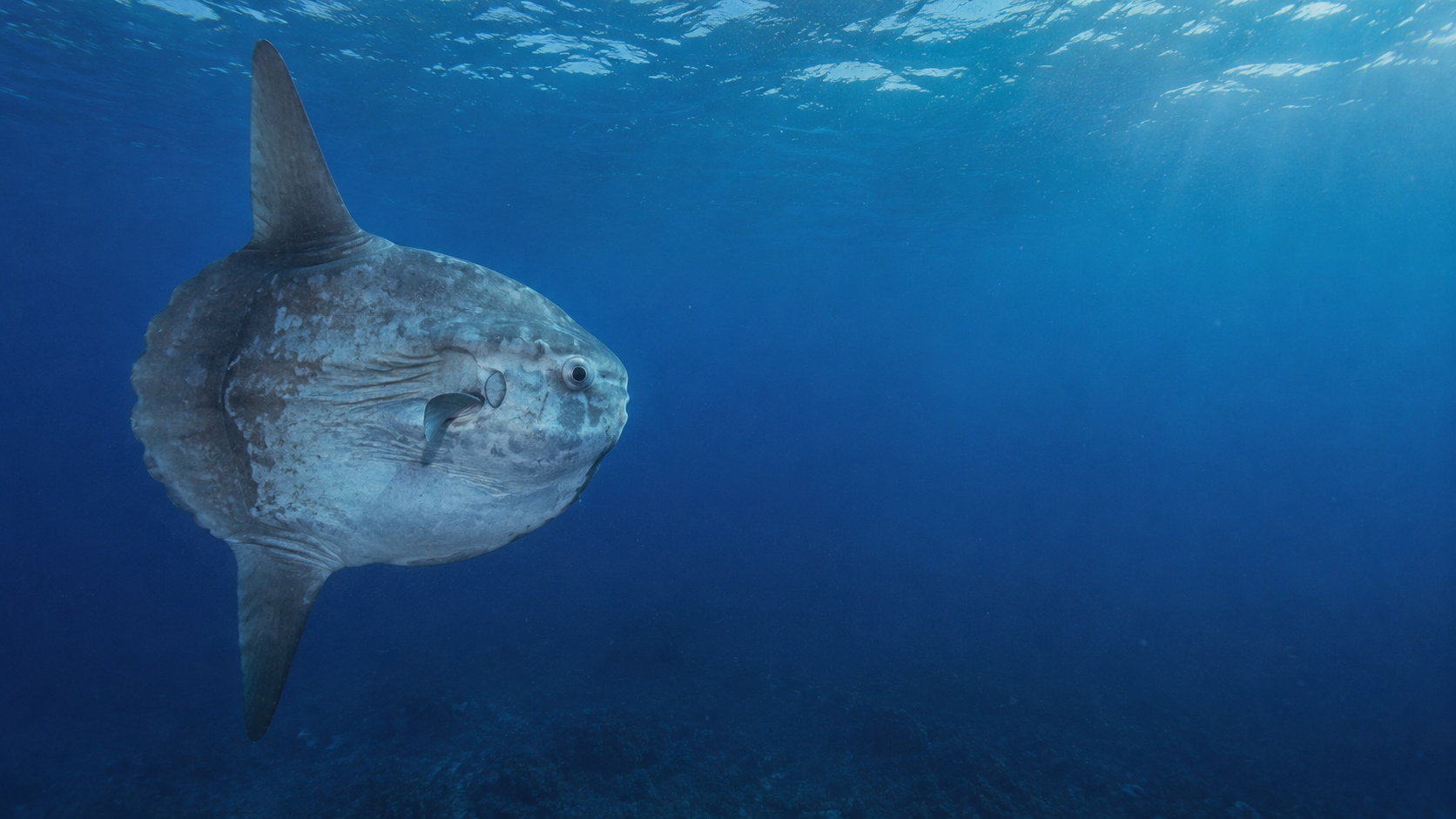
The Ocean Sunfish belongs to the family Molidae and is classified under the order Tetraodontiformes. It is characterized by its distinctive flattened body, small fins, and absence of a tail. The fish has a rounded head, a small mouth, and a short snout. Its skin is smooth and grayish-brown in color, with a distinctive pattern of white spots or patches.
Natural Habitat and Distribution
Ocean Sunfish are found in temperate and tropical waters around the world, including the Atlantic, Pacific, and Indian Oceans. They prefer open ocean waters, typically between 100 and 700 meters (330 and 2,300 feet) in depth, where they can be found near the surface or at greater depths. They are also known to venture into coastal waters, including bays and estuaries.
Behaviour
Ocean Sunfish are pelagic fish, meaning they spend most of their time in the open ocean. They are known to be slow swimmers, using their small fins to propel themselves through the water. They are also skilled at using the ocean currents to their advantage, often drifting with the currents to conserve energy. Sunfish have been observed swimming at depths of up to 700 meters (2,300 feet) in search of food or to escape predators.
Diet
Ocean Sunfish are carnivores, feeding on a variety of prey including jellyfish, salps, and small fish. They have also been known to eat plankton, algae, and other small organisms. Sunfish have a unique way of eating, using their small teeth to scrape their prey off the surface of the water or to grasp onto jellyfish and other soft-bodied organisms.
Daily Needs and Care
Due to their massive size and specialized needs, Ocean Sunfish are not suitable for home aquariums. In fact, it is highly unlikely that any aquarium could provide the space and care required to keep a sunfish healthy. However, for those interested in learning more about these incredible creatures, there are some aquariums and marine parks that have successfully kept sunfish in captivity.
For aquariums and marine parks, providing a suitable environment for Ocean Sunfish requires a massive tank with a capacity of at least 1 million liters (264,172 gallons). The tank must also be equipped with a sophisticated filtration system, as sunfish produce a significant amount of waste. Additionally, the tank must be designed to mimic the sunfish’s natural habitat, with open swimming space and a varied landscape.
Warning Signs and Health Issues
Ocean Sunfish are prone to several health issues, including parasites, bacterial infections, and injuries from entanglement in fishing nets or other marine debris. In captivity, sunfish are also susceptible to stress-related illnesses, such as fin erosion and skin lesions.
It is essential to monitor sunfish closely for any signs of illness or stress, including changes in appetite, swimming behavior, or skin condition. If you are concerned about the health of a sunfish, it is crucial to consult with a qualified veterinarian who has experience in caring for these unique creatures.
Responsible Care and Conservation
Ocean Sunfish are an important part of the marine ecosystem, playing a vital role in maintaining the balance of the ocean’s food chain. However, sunfish are facing several threats, including overfishing, habitat destruction, and climate change.
To help protect these incredible creatures, it is essential to support conservation efforts and promote sustainable fishing practices. You can also make a difference by reducing your carbon footprint, using eco-friendly products, and supporting organizations that work to protect the ocean and its inhabitants.
Practical Takeaways
- Ocean Sunfish are the largest bony fish in the world, reaching lengths of up to 3 meters (10 feet) and weighing up to 2,300 kilograms (5,000 pounds).
- Sunfish are found in temperate and tropical waters around the world, preferring open ocean waters and depths of up to 700 meters (2,300 feet).
- They are carnivores, feeding on jellyfish, salps, and small fish, as well as plankton, algae, and other small organisms.
- Sunfish are not suitable for home aquariums and require specialized care in captivity.
- They are prone to several health issues, including parasites, bacterial infections, and injuries from entanglement in fishing nets or other marine debris.
What is the average lifespan of an Ocean Sunfish?
The average lifespan of an Ocean Sunfish is estimated to be around 20-30 years in the wild, although some individuals have been known to live up to 50 years.
How do Ocean Sunfish protect themselves from predators?
Ocean Sunfish have several adaptations to protect themselves from predators, including their large size, thick skin, and ability to dive to great depths.
Can Ocean Sunfish be kept in home aquariums?
No, Ocean Sunfish are not suitable for home aquariums due to their massive size and specialized needs.
What is the main threat to Ocean Sunfish populations?
The main threat to Ocean Sunfish populations is overfishing, as well as habitat destruction and climate change.
How can I help protect Ocean Sunfish?
You can help protect Ocean Sunfish by supporting conservation efforts, promoting sustainable fishing practices, and reducing your carbon footprint.
Sources:
- National Oceanic and Atmospheric Administration (NOAA). (2020). Ocean Sunfish.
- World Wildlife Fund (WWF). (2020). Ocean Sunfish.
- International Union for Conservation of Nature (IUCN). (2020). Mola Mola.
- FishBase. (2020). Mola Mola.
Important Notice: If you are concerned about the health of an Ocean Sunfish or any other marine animal, it is essential to consult with a qualified veterinarian who has experience in caring for these unique creatures. Never attempt to diagnose or treat a marine animal without proper training and equipment.
Life Cycle and Growth Patterns
Ocean Sunfish have a unique life cycle, with distinct stages of development. They begin their lives as tiny larvae, drifting in the open ocean. As they grow, they undergo a series of transformations, eventually developing into juveniles and then adults. The growth rate of Ocean Sunfish is relatively slow, with individuals taking several years to reach maturity. Research suggests that they can live for up to 23 years in the wild, although the average lifespan is likely much shorter.
One of the most fascinating aspects of Ocean Sunfish biology is their ability to grow to enormous sizes. While the largest individuals can reach up to 3 meters (10 feet) in length and weigh up to 2,300 kilograms (5,000 pounds), the average adult typically reaches a length of around 1.5 meters (5 feet) and weighs around 400 kilograms (880 pounds). This remarkable growth is likely due to their ability to feed on vast amounts of jellyfish and other soft-bodied organisms.
Communication and Senses
Despite their size, Ocean Sunfish have relatively small brains and a limited range of senses. They do not have a lateral line, which is a system of sensory organs that most fish use to detect vibrations in the water. Instead, they rely on their vision and sense of smell to navigate their surroundings. Ocean Sunfish have relatively small eyes, but they are capable of detecting polarized light, which helps them to navigate and find food.
In terms of communication, Ocean Sunfish are thought to use a range of body language and visual cues to interact with other members of their species. They have been observed swimming alongside each other, and even forming loose aggregations in areas with abundant food. However, they do not appear to have a complex communication system, and their social interactions are relatively limited.
Seasonal Variation and Migration Patterns
Ocean Sunfish are found in temperate and tropical waters around the world, and their distribution varies depending on the season. In the summer months, they tend to migrate to cooler waters, where they can feed on abundant jellyfish and other soft-bodied organisms. In the winter months, they move to warmer waters, where they can conserve energy and survive on limited food resources.
This seasonal migration is thought to be driven by changes in ocean temperature and productivity. In areas with high levels of primary production, Ocean Sunfish can feed on abundant phytoplankton and zooplankton, which in turn support large populations of jellyfish and other soft-bodied organisms. By migrating to these areas, Ocean Sunfish can take advantage of these food sources and maximize their growth and survival.
Ecological Relationships and Role in the Ecosystem
Ocean Sunfish play a unique role in the marine ecosystem, serving as both predators and prey for other species. As filter feeders, they help to regulate the populations of jellyfish and other soft-bodied organisms, which in turn helps to maintain the balance of the ecosystem.
In turn, Ocean Sunfish are preyed upon by a range of predators, including sharks, rays, and other large fish. They are also hosts to a range of parasites, including copepods, nematodes, and other invertebrates. These parasites can have significant impacts on the health and survival of Ocean Sunfish, and are an important area of research for scientists.
Research and Conservation Efforts
Despite their size and fascinating biology, Ocean Sunfish remain poorly understood. Scientists are working to learn more about their behavior, ecology, and conservation status, with a range of research projects underway around the world.
One of the main conservation concerns for Ocean Sunfish is the impact of bycatch and habitat degradation. As a species that is often caught accidentally in fishing gear, Ocean Sunfish are vulnerable to injury and mortality. Additionally, their habitats are being degraded by climate change, pollution, and other human activities, which can reduce their access to food and shelter.
To address these concerns, conservation efforts are focused on reducing bycatch and protecting critical habitats. This includes the development of fishing gear that is designed to reduce bycatch, as well as the establishment of marine protected areas that provide a safe haven for Ocean Sunfish and other species.