
Introduction
The Peppermint Shrimp (Lysmata wurdemanni) is a small, peaceful crustacean species native to the western Atlantic Ocean and the Caribbean Sea. They are popular aquarium inhabitants due to their attractive appearance and calm nature.
Physical Characteristics
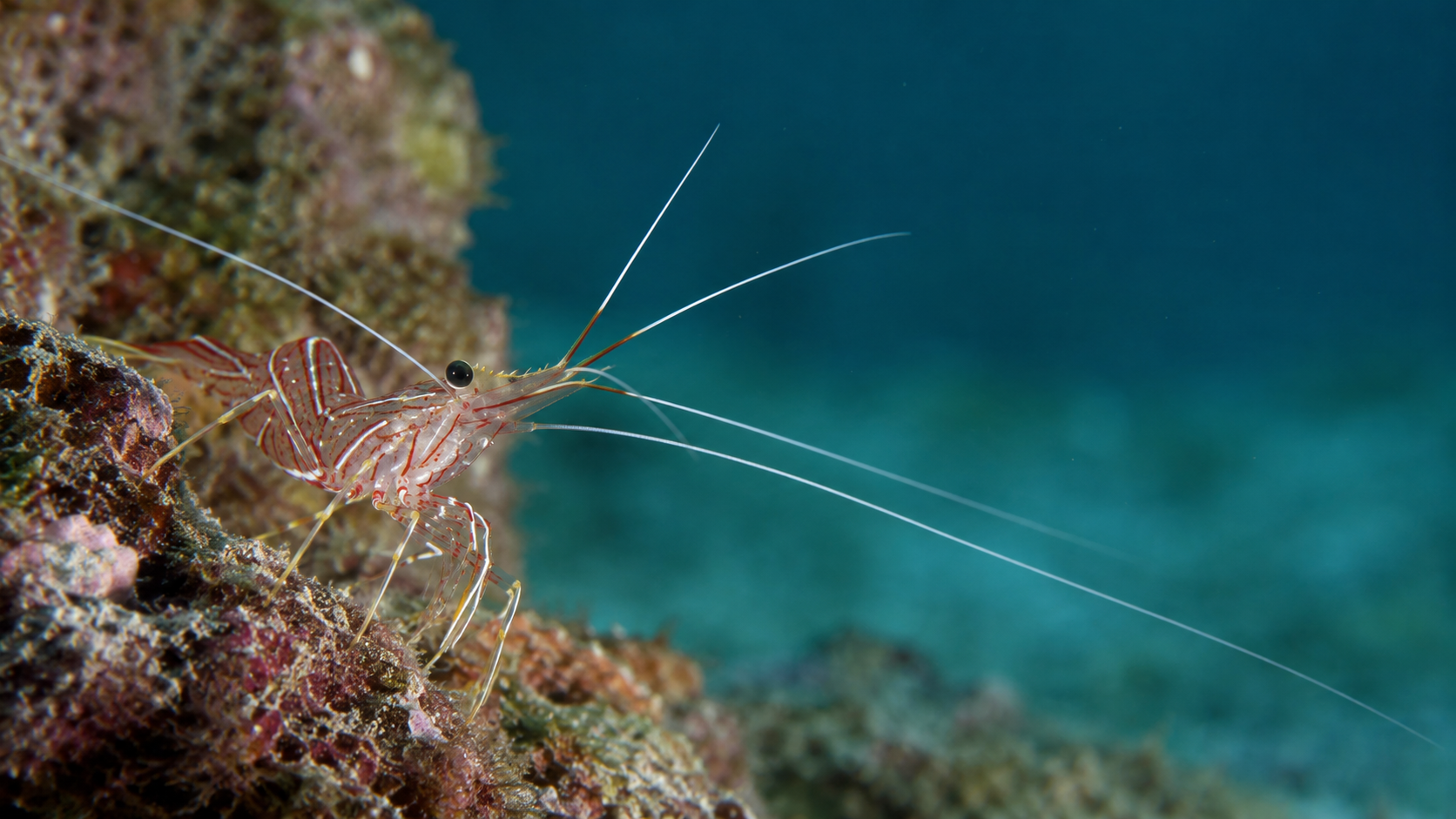
Peppermint Shrimp are relatively small, reaching a maximum length of about 2-3 inches (5-7.5 cm). They have a transparent body with red and white stripes, giving them a distinctive peppermint-like appearance.
Habitat and Distribution
Peppermint Shrimp are found in shallow, tropical waters, typically at depths of 10-100 feet (3-30 meters). They inhabit areas with coral reefs, rocky crevices, and seaweed beds.
Diet and Feeding
Peppermint Shrimp are primarily detritivores, feeding on decaying organic matter, algae, and small invertebrates. In aquariums, they can be fed a diet of commercial pellets, frozen or live foods, and vegetable matter.
Behavior and Social Structure
Peppermint Shrimp are generally peaceful and can be kept in small groups. They are nocturnal, spending most of their time hiding in crevices or under rocks during the day.
Aquarium Care
Peppermint Shrimp are relatively low-maintenance aquarium inhabitants. They require a well-filtered tank with plenty of hiding places, a temperature range of 72-82°F (22-28°C), and a pH range of 8.1-8.4.
| Parameter | Value |
|---|---|
| Scientific Name | Lysmata wurdemanni |
| Maximum Length | 2-3 inches (5-7.5 cm) |
| Diet | Detritivore |
| Temperature Range | 72-82°F (22-28°C) |
| pH Range | 8.1-8.4 |
Conservation Status
Peppermint Shrimp are not currently considered a threatened species. However, their populations are often affected by habitat destruction, pollution, and overfishing.
Interesting Facts
Peppermint Shrimp are known for their unique ability to change sex from male to female. They are also skilled at hiding and can fit into very small crevices.
Q: Are Peppermint Shrimp suitable for beginners?
A: Yes, Peppermint Shrimp are a good choice for beginners due to their hardiness and ease of care.
Q: Can Peppermint Shrimp be kept with other species?
A: Yes, Peppermint Shrimp can be kept with other peaceful species, but they should not be kept with aggressive or predatory species.
Q: How long do Peppermint Shrimp live?
A: Peppermint Shrimp can live for 2-5 years in captivity.
Q: What is the ideal tank size for Peppermint Shrimp?
A: A minimum tank size of 10 gallons (38 liters) is recommended for Peppermint Shrimp.
- National Oceanic and Atmospheric Administration (NOAA)
- World Register of Marine Species (WoRMS)
- Aquarium Fish Magazine
Please consult a veterinarian or a qualified aquarium expert before introducing any new species to your aquarium. Always follow proper aquarium care and maintenance procedures to ensure the health and well-being of your aquatic animals.
Life Cycle
Peppermint Shrimp undergo a complex life cycle, consisting of several stages. The female shrimp releases eggs into the water column, which are then fertilized by the male. The eggs hatch into nauplii, which drift in the water column before settling on a substrate and undergoing metamorphosis. The newly settled shrimp, called post-larvae, go through several molts before reaching adulthood. In aquariums, Peppermint Shrimp can live for several years, but their lifespan in the wild is typically shorter due to predation and environmental factors.
Communication and Senses
Peppermint Shrimp communicate primarily through chemical signals, using pheromones to convey information about food, mates, and potential threats. They also use body language and visual cues to interact with other shrimp. Their compound eyes are sensitive to light and movement, allowing them to detect predators and navigate their surroundings. They also have a pair of antennae that help them detect vibrations and chemical signals in the water.
Seasonal Variation
In their natural habitat, Peppermint Shrimp experience changes in water temperature and food availability throughout the year. During the warmer months, they are more active and feed on the abundant algae and small invertebrates. In the cooler months, they may become less active and rely on stored energy reserves. In aquariums, Peppermint Shrimp can be kept at a consistent temperature and fed a varied diet, reducing the impact of seasonal changes.
Ecological Relationships
Peppermint Shrimp play a crucial role in maintaining the balance of their ecosystem. They help to control algae growth and clean up decaying organic matter, which in turn supports the growth of other marine life. They also serve as a food source for larger predators, such as fish and other invertebrates. In aquariums, Peppermint Shrimp can be kept with other peaceful species, such as sea stars and snails, to create a diverse and thriving community.
Research
Peppermint Shrimp have been the subject of several scientific studies, particularly in the fields of ecology and aquaculture. Researchers have investigated their behavior, physiology, and population dynamics in both natural and controlled environments. These studies have contributed to our understanding of the complex relationships within marine ecosystems and the development of sustainable aquaculture practices.
Responsible Enrichment
In aquariums, Peppermint Shrimp can be provided with a variety of enrichment activities to stimulate their natural behavior. This can include offering a diverse diet, creating hiding places and visual barriers, and providing opportunities for exploration and foraging. By providing a stimulating environment, aquarists can promote the health and well-being of their Peppermint Shrimp and create a thriving aquarium community.
Ethical and Legal Considerations
The collection of Peppermint Shrimp for the aquarium trade is regulated by laws and international agreements, such as the Convention on International Trade in Endangered Species of Wild Fauna and Flora (CITES). Aquarists should ensure that they are purchasing Peppermint Shrimp from reputable sources and following local regulations regarding their collection and trade. Additionally, aquarists should prioritize the welfare and well-being of their Peppermint Shrimp, providing them with a suitable environment and proper care.
Reproduction and Breeding
Peppermint Shrimp are protandrous hermaphrodites, meaning they start their lives as males and can change sex to females as they mature. In the wild, they typically breed in the spring and summer months, with females releasing eggs that are then fertilized by males. The eggs are carried by the female until they hatch, usually after about two weeks. The larvae then go through a series of molts before settling on a substrate and metamorphosing into juvenile shrimp.
In aquariums, breeding Peppermint Shrimp can be challenging, but it’s not impossible. A separate breeding tank with a sandy substrate, plenty of hiding places, and a temperature range of 75-80°F (24-27°C) can increase the chances of successful breeding. A varied diet that includes live or frozen foods can also help stimulate breeding.
Genetic Diversity and Line Breeding
Peppermint Shrimp have a relatively low genetic diversity, which can make them more susceptible to disease and reduce their overall hardiness. Line breeding, which involves breeding individuals that are closely related, can further reduce genetic diversity and increase the risk of genetic disorders.
To maintain genetic diversity, it’s recommended to introduce new individuals into the breeding program regularly. This can be done by introducing shrimp from different sources, such as other breeders or wild-caught individuals. It’s also essential to keep accurate records of the breeding program, including the parentage of each individual and their genetic history.
Hybridization and Cross-Breeding
Peppermint Shrimp can be cross-bred with other Lysmata species, such as Lysmata amboinensis, to produce hybrid offspring. However, this practice is not recommended, as it can lead to a loss of genetic diversity and reduce the overall hardiness of the offspring.
Hybridization can also lead to the introduction of new diseases and parasites, which can have devastating effects on the aquarium hobby. It’s essential to avoid cross-breeding Peppermint Shrimp with other species and to maintain a pure breeding program to ensure the health and well-being of the shrimp.
Selection and Breeding for Specific Traits
Peppermint Shrimp can be selected and bred for specific traits, such as color, size, and temperament. Selective breeding can help to improve the overall quality of the shrimp and increase their value to aquarists.
However, it’s essential to avoid selecting for extreme traits, such as very large or very small size, as this can lead to health problems and reduce the overall hardiness of the shrimp. It’s also essential to maintain a balanced breeding program that prioritizes the health and well-being of the shrimp over specific traits.
Environmental Impact and Aquarium Maintenance
Peppermint Shrimp play a vital role in maintaining the balance of their ecosystem. As detritivores, they help to break down organic matter and recycle nutrients, which in turn supports the growth of algae and other marine life. In aquariums, they can contribute to a balanced ecosystem by consuming leftover food and decaying matter.
To maintain a healthy environment for Peppermint Shrimp, aquarium owners should prioritize regular water changes, proper filtration, and a balanced biological load. A well-maintained tank will help to prevent the buildup of toxins and ensure that the shrimp have access to a steady supply of food. Additionally, aquarium owners should avoid overfeeding, as this can lead to an accumulation of decaying matter and negatively impact water quality.
Observation and Study in Aquariums
Peppermint Shrimp are fascinating creatures to observe in aquariums, and their behavior can provide valuable insights into their natural habits. By studying their behavior, aquarium owners can gain a better understanding of their needs and preferences, and make adjustments to their care accordingly. For example, observing the shrimp’s feeding habits can help owners determine the best feeding schedule and food types.
Aquarium owners can also use observation to monitor the health and well-being of their Peppermint Shrimp. Changes in behavior, such as decreased activity or appetite, can be indicative of stress or illness. By recognizing these changes, owners can take prompt action to address any issues and ensure the continued health of their shrimp.
Compatibility with Other Species
Peppermint Shrimp are generally compatible with other peaceful, small species that occupy different ecological niches. They can be kept with fish, such as damselfish, chromis, and small wrasses, as well as other invertebrates like sea stars, sea urchins, and conchs. However, they should not be kept with aggressive or predatory species that may see them as food.
When introducing Peppermint Shrimp to a community tank, it is essential to ensure that the tank is large enough to provide ample space and hiding places for all inhabitants. A minimum tank size of 30 gallons is recommended, with plenty of live rock, crevices, and plants to provide shelter and visual barriers.


