Introduction
The Abyssinian is one of the oldest breeds of domestic cat, with a history dating back over 1,000 years. Originating in Ethiopia, formerly known as Abyssinia, this breed has been prized for its distinctive ticked coat and playful, affectionate nature.
Physical Characteristics
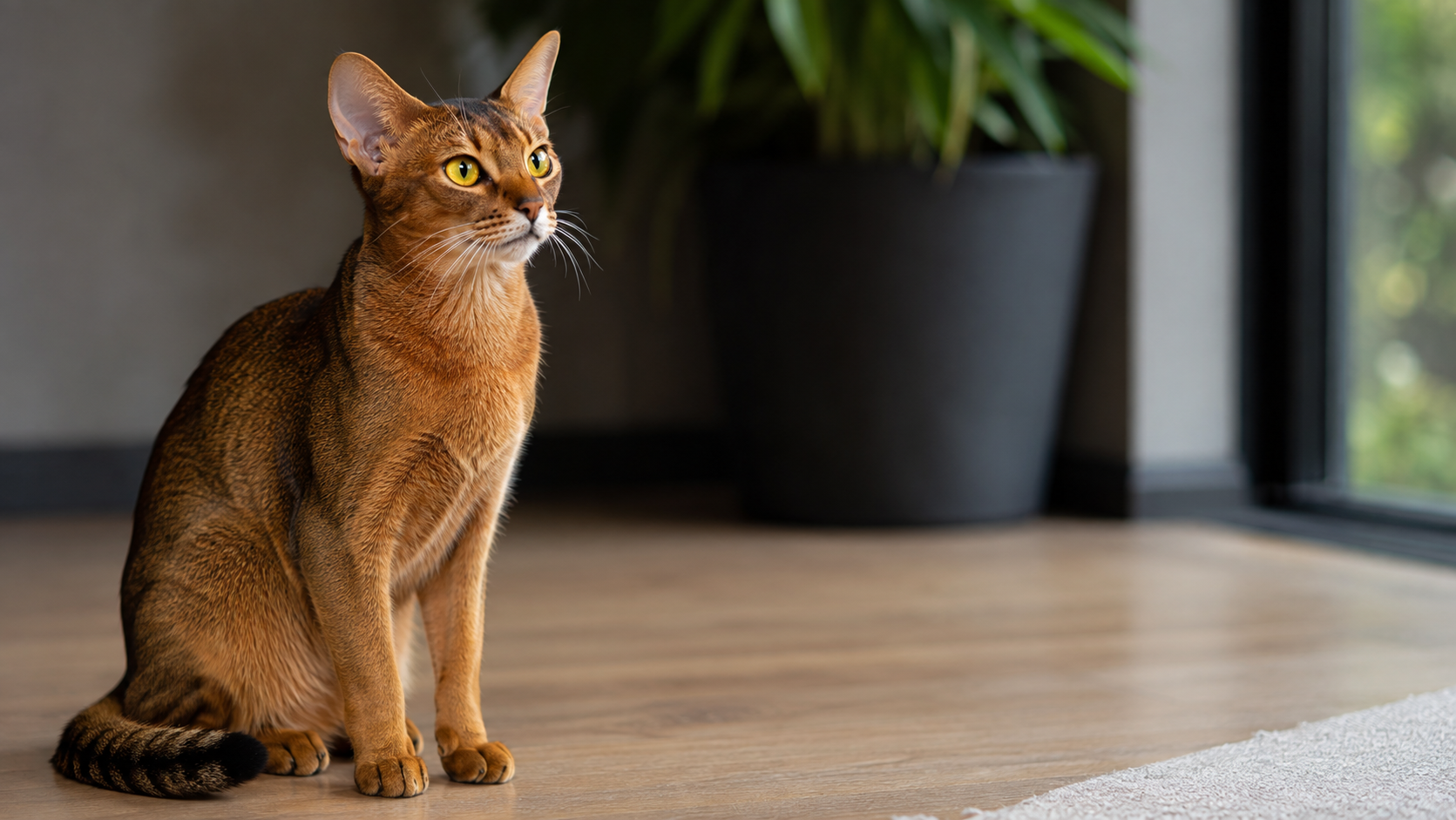
Abyssinians are a medium-sized breed, with males weighing between 9-15 pounds (4-7 kg) and females weighing between 8-12 pounds (3.5-5.5 kg). They have a muscular, athletic build and a short, dense coat that is ticked with agouti hairs, giving a mottled, multi-tonal effect. The coat comes in a variety of colors, including ruddy, blue, and fawn.
| Characteristic | Description |
|---|---|
| Weight | 9-15 pounds (4-7 kg) male, 8-12 pounds (3.5-5.5 kg) female |
| Coat length | Short |
| Coat type | Ticked, agouti hairs |
| Coat colors | Ruddy, blue, fawn |
Personality and Temperament
Abyssinians are known for their playful, curious nature and their love of human interaction. They are highly intelligent and active, requiring plenty of stimulation and exercise to prevent boredom and destructive behavior. They are generally good with children and other pets, but can be wary of strangers and may require time to warm up to new people.
Health and Grooming
Abyssinians are generally a healthy breed, but can be prone to certain health issues such as patellar luxation, a condition where the kneecap slips out of place, and progressive retinal atrophy, a degenerative eye disorder. Regular grooming is essential to prevent matting and tangling of the coat, and to distribute skin oils that keep the coat healthy and shiny.
History and Origins
The Abyssinian breed has a long and storied history, with evidence of their existence dating back to ancient Egypt and Ethiopia. They were highly prized by royalty and nobility for their distinctive appearance and playful, affectionate nature. The breed was first recognized in the late 19th century, and has since become a popular companion animal around the world.
Care and Nutrition
Abyssinians require a balanced diet that meets their nutritional needs, and plenty of fresh water to stay hydrated. They also require regular exercise and playtime to stay happy and healthy. A scratching post and plenty of toys can help to keep them stimulated and prevent destructive behavior.
Q: Are Abyssinians good with children?
A: Yes, Abyssinians are generally good with children, but as with any breed, it’s essential to socialize them well and teach children how to interact with cats gently and respectfully.
Q: Do Abyssinians require a lot of grooming?
A: Yes, Abyssinians require regular grooming to prevent matting and tangling of the coat, and to distribute skin oils that keep the coat healthy and shiny.
Q: Are Abyssinians prone to any health issues?
A: Yes, Abyssinians can be prone to certain health issues such as patellar luxation and progressive retinal atrophy.
Q: How much exercise do Abyssinians require?
A: Abyssinians require regular exercise and playtime to stay happy and healthy, but they are not high-maintenance in terms of exercise needs.
- International Cat Association. (n.d.). Abyssinian. Retrieved from
- American Cat Fanciers Association. (n.d.). Abyssinian. Retrieved from
- Veterinary Information Network. (n.d.). Abyssinian. Retrieved from
Remember, if you’re considering bringing an Abyssinian into your family, it’s essential to do your research and find a reputable breeder who prioritizes the health and well-being of their cats. With proper care and attention, an Abyssinian can make a loving and loyal companion for many years to come.
Life Cycle and Development
Abyssinians are known for their relatively long lifespan, with an average lifespan of 12-15 years. However, with proper care and nutrition, some individuals have been known to live up to 18 years or more. The breed’s life cycle can be divided into several stages, each with its unique characteristics and needs.
Kittens are born after a gestation period of approximately 63-65 days, with an average litter size of 2-6 kittens. At birth, Abyssinian kittens are blind, helpless, and weigh around 3-4 ounces. Their eyes begin to open around 7-10 days, and they start to develop their motor skills and coordination around 2-3 weeks. During this period, it is essential to provide a safe and nurturing environment, with plenty of socialization and handling to help them develop good social skills and a strong bond with their human caregivers.
As the kittens grow and mature, they enter the juvenile stage, which lasts from around 4-12 months. During this period, they continue to develop their physical skills, and their personalities begin to emerge. They require plenty of play, socialization, and training to help them become confident and well-adjusted adults.
Adult Abyssinians are known for their playful and curious nature, and they require plenty of stimulation and exercise to prevent boredom and destructive behavior. They are highly intelligent and active, and they thrive on interaction with their human family members. As they mature, they may become more sedentary, but they still require regular exercise and mental stimulation to stay happy and healthy.
Communication and Senses
Abyssinians are highly communicative cats, and they use a variety of vocalizations, body language, and scent marking to convey their emotions and needs. They are known for their distinctive vocalizations, which range from soft chirps and purrs to loud meows and hisses. They use these vocalizations to communicate with their human caregivers, as well as with other cats.
In addition to vocalizations, Abyssinians also use body language to communicate. They use ear positions, tail twitches, and whisker positions to convey their mood and intentions. For example, a relaxed Abyssinian will have a loose, open posture, with ears forward and whiskers relaxed. A tense or fearful Abyssinian will have a more rigid posture, with ears back and whiskers forward.
Abyssinians also have a highly developed sense of smell, which they use to detect food, predators, and potential mates. They have scent glands located on their faces, near their cheeks and lips, which they use to mark their territory and communicate with other cats.
Seasonal Variation
Abyssinians are adaptable to a variety of living situations, and they can thrive in a range of climates and environments. However, they do require some seasonal adjustments to their care and nutrition.
In the summer months, Abyssinians require plenty of shade and ventilation to prevent overheating. They should be provided with plenty of fresh water and a balanced diet, and their coat should be brushed regularly to prevent matting and tangling.
In the winter months, Abyssinians require a warm and cozy environment, with plenty of blankets and bedding to keep them warm. They should be provided with a balanced diet, and their coat should be brushed regularly to prevent matting and tangling.
Ecological Relationships
Abyssinians are highly social animals, and they thrive on interaction with their human caregivers and other cats. They are generally good with children and other pets, but they can be wary of strangers and may require time to warm up to new people.
In multi-cat households, Abyssinians can get along well with other cats, especially if they are socialized from an early age. However, they can be territorial and may require separate resources and spaces to prevent conflict.
Abyssinians also have a strong prey drive, and they may not be suitable for households with small pets, such as hamsters or gerbils. However, they can get along well with larger pets, such as dogs, if they are socialized and introduced slowly.
Research and Conservation
Abyssinians are a relatively rare breed, and they are not currently considered to be a threatened or endangered species. However, they are still subject to certain health problems, such as patellar luxation and progressive retinal atrophy, which can affect their quality of life.
Researchers are working to identify the genetic causes of these health problems, and to develop breeding programs that can help to reduce their incidence. Responsible breeders are also working to promote the health and well-being of the breed, through selective breeding and careful husbandry practices.
Responsible Enrichment and Ethical Considerations
Abyssinians are highly intelligent and active cats, and they require plenty of stimulation and exercise to prevent boredom and destructive behavior. They thrive on interaction with their human caregivers, and they require plenty of play, socialization, and training to stay happy and healthy.
Responsible enrichment activities for Abyssinians include providing plenty of toys and scratching posts, as well as engaging in play and interactive activities, such as agility training and puzzle toys. They also require plenty of socialization and handling, especially during the critical period of kittenhood.
In terms of ethical considerations, Abyssinians are subject to certain welfare concerns, such as over-breeding and irresponsible breeding practices. Responsible breeders prioritize the health and well-being of the breed, and work to promote the welfare of individual cats through careful husbandry practices and selective breeding.
Environmental Enrichment and Stimulation
Abyssinians are highly intelligent and active cats that require plenty of environmental enrichment and stimulation to prevent boredom and destructive behavior. Providing a variety of toys, scratching posts, and climbing structures can help to keep your Abyssinian entertained and exercised. Rotate toys regularly to prevent boredom and introduce new ones to challenge your cat’s problem-solving skills.
In addition to toys, providing opportunities for sensory stimulation can also be beneficial. Abyssinians have a keen sense of smell and enjoy exploring different textures and sensations. Offer your cat a variety of scratching surfaces, such as sisal rope or corrugated cardboard, and provide hiding places and tunnels to explore.
Creating a “cat agility course” using household items, such as cardboard boxes and paper bags, can also provide entertainment and exercise for your Abyssinian. You can also try food puzzle toys that challenge your cat to work for treats, providing mental stimulation and slowing down eating.
Training and Socialization
Abyssinians are highly intelligent and respond well to positive reinforcement training. They can learn to perform tricks, such as “sit” and “stay,” and can even learn to walk on a leash. Early socialization is also crucial for Abyssinians, as they can be wary of strangers and may require time to warm up to new people.
Expose your Abyssinian to a variety of new people, places, and experiences from an early age to help them become confident and calm in new situations. Reward good behavior with treats and praise, and avoid punishing or scolding your cat for misbehavior.
Creating a Safe and Comfortable Environment
Abyssinians are sensitive to stress and require a safe and comfortable environment to thrive. Provide a quiet and cozy place for your cat to rest, such as a soft blanket or bed, and ensure that your home is free from hazards, such as toxic substances and electrical cords.
Keep your home at a comfortable temperature, between 68-72°F (20-22°C), and provide plenty of fresh water and a balanced diet. Avoid placing your cat’s food and water near their litter box, as this can create stress and discomfort.